
Livraison le jour même ou le lendemain

Qualité garantie

Débloquez vos offres de bienvenue: Livraison GRATUITE | Jusqu'à -80 % | 30 jours d'essai gratuits à JoyPlus
Téléchargez l'application
By the Joybuy Editorial Team | Published: August 26, 2026
Having dry, sensitive skin can turn daily routines, like showering, into a real ordeal. Tightness, redness, itching... This discomfort is a sign that your skin barrier is weakened and requires special attention. Yet, faced with a body care market saturated with promises, it's easy to get lost. Before making your choice, it's best to know the pitfalls to avoid so you don't do more harm than good.
The 3 mistakes to avoid when choosing a product for dry skin:
To soothe your skin for the long term, you need to look beyond the marketing and learn to decode the ingredients list. Here are the key points to scrutinise to make an informed choice.
Sulfates, like Sodium Laureth Sulfate (SLES), are incredibly effective foaming agents for removing impurities. However, their action can be too aggressive for sensitive skin, damaging the hydrolipidic film.
For gentle cleansing, turn to a soothing cleansing cream or a sulfate-free shower gel. These products use milder surfactants derived from sugars or amino acids (like Coco-Glucoside or Sodium Cocoyl Glutamate), which cleanse without stripping the skin.
A good product for dry skin relies on a combination of ingredients with complementary roles:
The skin's surface has a naturally acidic pH of around 5.5. This "acid mantle" protects it from external aggressors and bacterial growth. Using products with a skin-neutral pH (or slightly acidic) helps preserve this fragile balance—an essential step when the skin barrier is already compromised.
Because every skin is unique, we've selected products that meet different needs, always keeping our criteria of gentleness and effectiveness in mind.
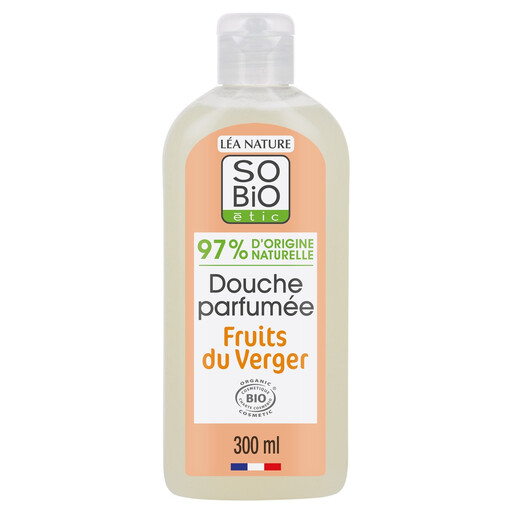
Why it stands out: Perfect for those seeking a certified organic formula with minimalist ingredients. This shower gel combines the pleasure of a fruity scent with respect for the most demanding skin.
Far from just a vague "natural" claim, its organic certification requires adherence to strict specifications. Its sulfate-free shower gel formula avoids pitfall #2: the stripping cleanser.
Its formula contains 97% ingredients of natural origin and is enriched with organic aloe vera powder to hydrate right from the shower.
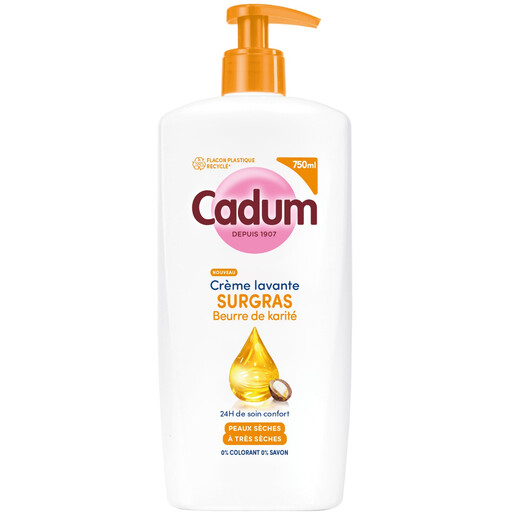
Why it stands out: Specially designed for dry to very dry skin, this cleansing cream offers immediate comfort. Its extra-rich formula is the perfect answer to the "crocodile skin" effect and post-shower tightness.
It checks both boxes: cleansing and intensely nourishing. As an extra-rich nourishing shower cream, it leaves a protective film that neutralises the drying effect of hard water.
Enriched with shea butter and organic sweet almond oil. Its neutral pH formula, free of soap and dyes, is a model of gentleness. Bonus: its large size is ideal for the whole family.
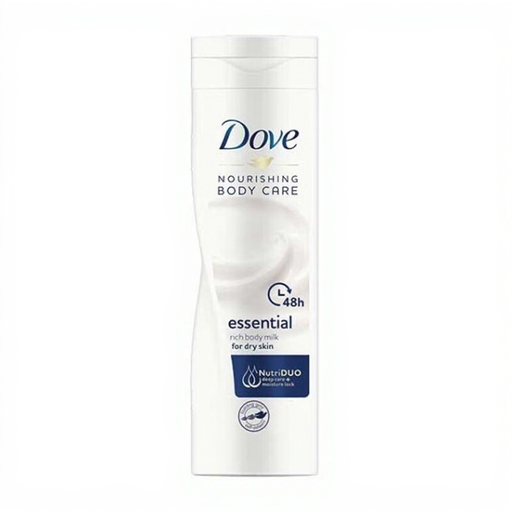
Why it stands out: Because care doesn't stop when you step out of the shower. This body lotion is designed to lock in moisture and help the skin rebuild itself over the long term.
It addresses the crucial need for post-shower nutrition. Instead of relying solely on the cleanser, it completes the routine with a body lotion for very dry skin that works deep down to strengthen the skin barrier.
It includes a ceramide-restoring serum that stimulates the skin's natural lipid production. The brand promises up to 48 hours of hydration, all in a non-greasy formula that absorbs in the blink of an eye.
Discover our full selection of products that meet our strict criteria and current regulations.
1. What is the difference between a shower cream and a shower gel? A hydrating shower gel typically has a lighter, more transparent texture that focuses on cleansing and freshness. A nourishing shower cream is richer, more opaque, and creamier. It contains more nourishing agents (oils, butters) and is formulated to cleanse while leaving a protective film on the skin, making it the ideal choice for dry skin.
2. Can I use the same cleanser for my body and face? In theory, yes, but caution is advised. The skin on your face is thinner and more delicate, and has different needs than the skin on your body. If a product is explicitly labelled "face and body" (common for dermo-cosmetic products), you can go ahead. Otherwise, it's better to opt for a dedicated facial cleanser, as its formula will be much more suitable.
3. How often should you moisturise dry skin? Consistency is key. Ideally, you should apply a hydrating and nourishing product at least once a day, preferably on slightly damp skin right after showering. This simple step helps to "lock in" moisture. And if your skin feels tight during the day? Don't hesitate to reapply to the driest areas.