People who cook pasta every day
You want to make several meals using the pasta in your cupboard, without needlessly buying multiple packets of the same shape.


To stock your cupboard without accumulating half-open packets, start with dry pasta shapes you cook regularly. Choose 500 g packs if you like to vary your recipes. Keep a quick-cook option for meals when time is short, or choose wholewheat, organic or gluten-free pasta to meet a specific need after checking the label. If you specifically want a tin rather than an individual packet, check the product’s packaging before you buy.
You want to make several meals using the pasta in your cupboard, without needlessly buying multiple packets of the same shape.
You favour a short cooking time on busy evenings and may want to keep a product designed for this purpose in your cupboard.
You’re comparing wholewheat, organic or gluten-free pasta, for example. Check the ingredients list and allergen information for each product.
Start by choosing a shape and quantity that suit your usual meals, then consider whether cooking time, ingredients or storage make an additional product worthwhile.
| Criteria | What to check | Who is it for? |
|---|---|---|
| Shape and quantity | Compare shapes with your usual recipes and choose between 500 g and 1 kg, depending on how much you’ll use after opening. | I make a variety of sauces and dishes, but don’t want several large packets left open; around 31% of consumers would prioritise this versatility. |
| Quick cooking | Check the cooking time for the exact product: Carrefour lists a 3-minute cooking time for its 500 g Lustucru quick-cook coquillettes. | When I’m making a meal in a hurry, cooking time matters more than choosing another shape; this would be the main priority for around 23% of consumers. |
| Ingredients | Check the ingredients and allergens for your chosen variety. “Organic”, “wholewheat” and “gluten-free” refer to different characteristics. | I’m looking for a specific dietary characteristic and need to confirm it on the packaging; around 23% of consumers would put this first. |
| Storage and date | Check the condition of the packet, the date shown and the storage instructions, particularly after opening. | If I have several packets in my cupboard, I want to be able to store and identify them properly; this would be a priority for around 23% of consumers. |
These products don’t necessarily have the same storage requirements. You should only keep pasta in the cupboard if the product instructions say that’s suitable.
Check the product category, date and storage instructions on the packaging before putting it away.
Barilla and Panzani offer some products in 500 g and 1 kg packs, but a large packet in a shape you rarely use could stay open for a long time.
Choose a pack size you expect to finish, and seal any opened packet carefully.
These labels refer to different things. UFC-Que Choisir’s testing protocol, for example, distinguishes between white, wholewheat, egg-based and legume-based pasta.
Start with your main requirement, then check the ingredients, allergens and cooking time for the product you choose.
The Carrefour Classic’ and Auchan Bio examples contain wheat and may also indicate traces of other allergens, depending on the product. Check the printed date too, as it may be a use-by date or a best-before date.
Read the label on the specific packet, particularly if you need to avoid an allergen, and check the date type before deciding whether to store or eat the pasta.
The brand offers classic, wholewheat, Protein+ and gluten-free pasta. These ranges let you compare different compositions, but they aren’t interchangeable.
Panzani offers short and long shapes, as well as products in its “Les 3 Minutes” range.
The brand offers both dry and fresh pasta, which you’ll need to distinguish when stocking your cupboard.
A 500 g pack of dry coquillettes is a handy everyday option for your cupboard.
The retailer offers organic and wholewheat varieties, which you can compare with classic pasta depending on the ingredients you’re looking for.
These 500 g products let you choose a shape for everyday meals, add a quick-cook option or include wholewheat pasta. Compare the shape, ingredients and exact packaging to make sure they suit the space you have for them.
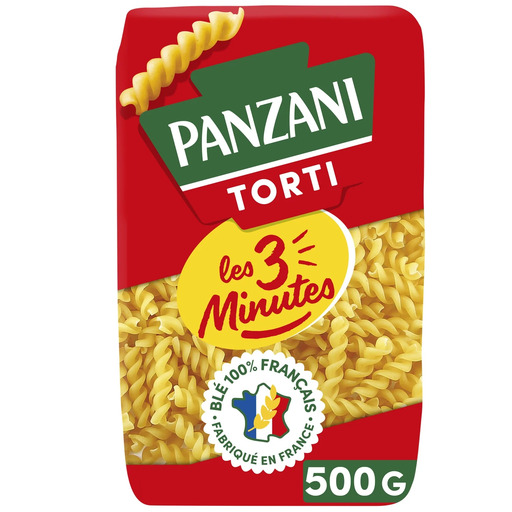 Image unavailable
A shape to consider when cooking time matters for your meals.
The product name indicates a 500 g pack and a cooking time of 3 minutes. Check the ingredients and allergens on the packaging.
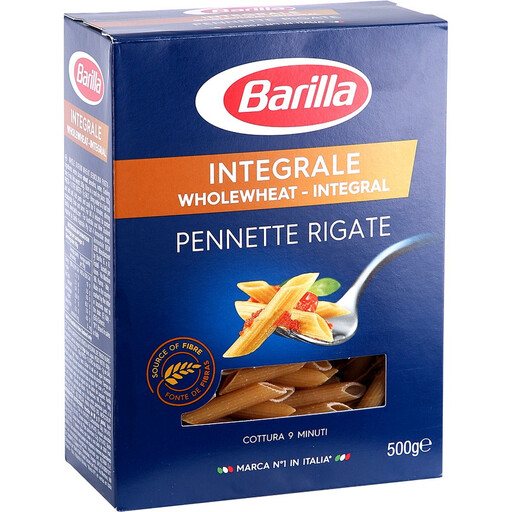 Image unavailable
A wholewheat option to compare with your usual pasta if it’s the type of composition you’re looking for.
The product name indicates a 500 g tub. As it contains wheat, check the label carefully if you need to avoid certain ingredients.
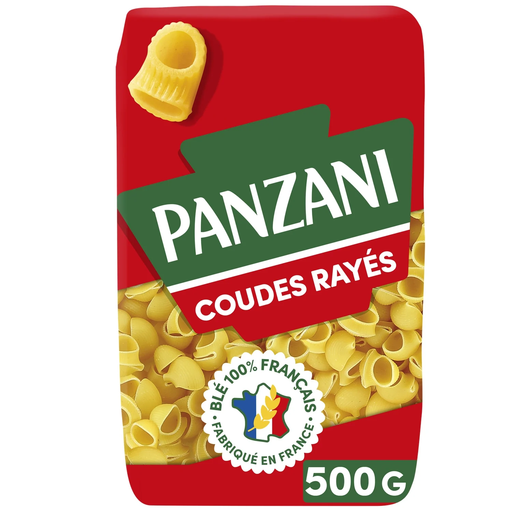 Image unavailable
A short pasta shape to consider if you often make dishes with thick sauces, as Panzani suggests for its ridged elbow pasta.
The stated pack size is 500 g. Check the cooking time on the packet if it’s an important factor in your choice.
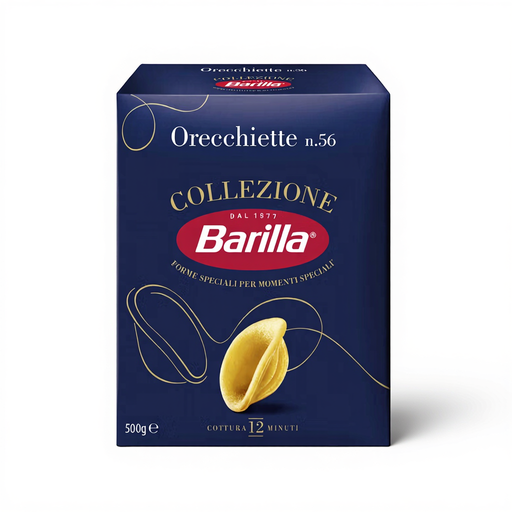 Image unavailable
Another short shape to consider if you’d like to vary your recipes rather than stock up on several packets of just one shape.
The stated pack size is 500 g. Check the cooking time on the packaging to make sure it suits the meal you have planned.
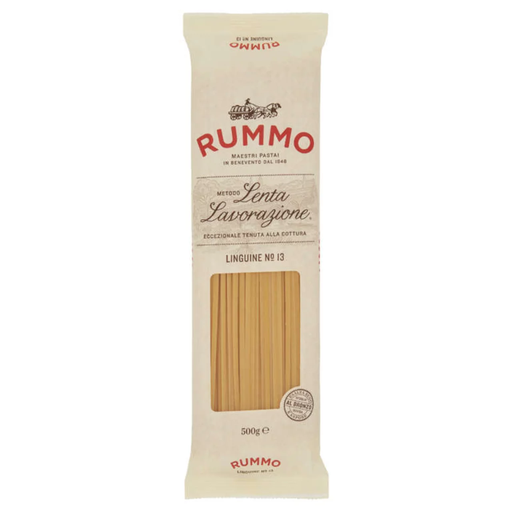 Image unavailable
A long pasta shape to consider if your usual recipes call for linguine rather than short pasta.
The product name indicates a 500 g pack made with durum wheat semolina. Check the cooking time on the packet if you’re planning a quick meal.
Choose 500 g if you like to alternate between shapes or take a while to finish a packet. A 1 kg pack is better if you use the same product regularly. Barilla and Panzani offer some pasta in both weights, so check the pack size for the shape you choose.
Follow the instructions on the packet and seal it carefully. For one of its dry pasta products, Auchan recommends keeping it away from heat and moisture, and says you can use an airtight container after opening.
It depends on the wording on the product. In France, ANSES distinguishes between a use-by date, which relates to food safety, and a best-before date, after which a product may lose some of its quality but the date is not an absolute cut-off. Check the exact date and the condition of the product.
No. Several products mentioned here contain durum wheat. If you’re looking for gluten-free pasta or need to avoid an allergen, check the ingredients list and allergen information for the specific product rather than relying on its shape or brand.