To avoid gluten, choose pasta labelled ‘gluten-free’ and check the packet label: durum wheat pasta, even wholemeal pasta, won’t meet this need. If you need to avoid other allergens, check the ingredients and any ‘may contain’ warnings too. ‘Gluten-free’ does not mean suitable for every allergy.
Who are these options for?
Households avoiding gluten
The priority is to look for ‘gluten-free’ on your chosen dry pasta, then check the packet’s ingredients. For example, Barilla describes its gluten-free range as a blend of white maize, yellow maize and rice; this does not describe its wheat pasta.
Households checking for several allergens
‘Gluten-free’ does not replace checking the ingredients and any precautionary information for each product. What you need to look for depends on the allergens in question, including egg, soya or mustard.
Households looking for familiar gluten-free shapes
Penne, spaghetti, macaroni and fusilli let you keep the pasta shapes you want for mealtimes. Check the specific product and its label before comparing the pack sizes available.
What should you check before buying?
When shopping for dry pasta with allergies in mind, start with the ingredients you need to avoid. Choose the shape and pack size afterwards, from products whose labels meet your needs.
| Priority |
What to check |
Who is it for? |
| Avoiding gluten |
Look for ‘gluten-free’ on your chosen packet and check its ingredients list; ‘wholemeal’ or ‘organic’ is not a substitute for this label. |
If I need to avoid gluten, the shape of the pasta comes after the label on the packet. Around 42% of consumers would make avoiding gluten their priority. |
| Other allergens |
Check the allergens listed in the ingredients and any ‘may contain’ warnings for the specific product and batch. |
If I need to avoid several ingredients at home, ‘gluten-free’ isn’t enough to make a decision. Checking for other allergens would be the priority for around 25% of consumers. |
| Ingredients |
Check the grain or other ingredients used, particularly when changing recipe or shape. |
Before replacing my usual pasta, I want to know what the new recipe is made from. Around 17% of consumers would put this detailed check first. |
| Shape and pack size |
Check the weight of the packet and the shape you want, once you’ve checked the ingredients and allergens. |
For the meals I make regularly, I need a suitable shape and pack size from the pasta options I’ve selected. This would be the priority for around 16% of consumers. |
Common misconceptions to avoid
-
Assuming ‘wholemeal’ or ‘organic’ means ‘gluten-free’
These labels don’t tell you whether the pasta contains wheat. Lustucru’s Organic Wholemeal Penne is made with wholemeal durum wheat semolina and, according to the brand, naturally contains gluten.
If you need to avoid gluten, look for ‘gluten-free’ on the specific product and check its ingredients again.
-
Assuming ‘gluten-free’ means free from all allergens
A label relating to gluten doesn’t mean the product is free from egg or other allergens. Recipes and precautionary warnings vary from one product to another.
Check each label against the allergens you need to avoid at home, including when you change shape or recipe.
-
Forgetting about cross-contact during preparation
Choosing a suitable packet doesn’t rule out contact with wheat pasta during preparation. AFDIAG stresses the importance of avoiding cross-contamination when gluten needs to be excluded.
Use clean utensils and a clean work surface, with no contact with foods containing gluten.
Brands to consider, depending on the product
These brands offer different starting points, but only the label on the product you choose can tell you about its ingredients and allergens.
Barilla
The ‘gluten-free’ range includes familiar dry pasta shapes.
- Barilla describes this range as a blend of white maize, yellow maize and rice.
- This description applies to the range labelled ‘gluten-free’, not to all Barilla pasta. Check the specific product and its label.
Panzani
The Panzani range includes several pasta shapes and varieties, including classic and wholemeal options.
- The choice of shapes can help you find pasta to suit the dish you’re planning.
- The brand name or shape doesn’t tell you which allergens are in a specific product: check its label before choosing it.
Lustucru
Lustucru offers classic and wholemeal pasta, as well as products made with fresh eggs.
- Its Organic Wholemeal Penne is an example of a durum wheat recipe that is clearly different from a gluten-free one.
- Lustucru says these penne naturally contain gluten and are made in a facility that uses eggs. The brand also warns that its Spaghetti courts may contain traces of soya and mustard.
Carrefour No Gluten
This retailer’s range includes Penne Rigate labelled ‘gluten-free’.
- Carrefour’s Penne Rigate product information lists a recipe made with maize and rice flours.
- ‘Gluten-free’ on its own doesn’t answer questions about other allergens; check the label on the packet you choose.
Chaque Jour Sans Gluten (E.Leclerc)
The range includes shapes such as penne, macaroni, spaghetti, fusilli and tagliatelle.
- These different shapes offer options for keeping your usual recipes on the menu.
- Check the ingredients and allergens for each product rather than assuming the whole range has the same ingredients.
Auchan
The retailer lists gluten-free pasta from several brands, including a Rummo spaghetti product.
- Auchan’s product information for Rummo gluten-free spaghetti lists ingredients including rice and maize.
- This description applies to the specific product checked. Check the ingredients and other allergen information on the packet you choose.
Dry pasta available on Joybuy
This selection includes rice pasta and shapes labelled gluten-free. Compare the shapes you want, then check the packet for ingredients and information relevant to allergies in your household.
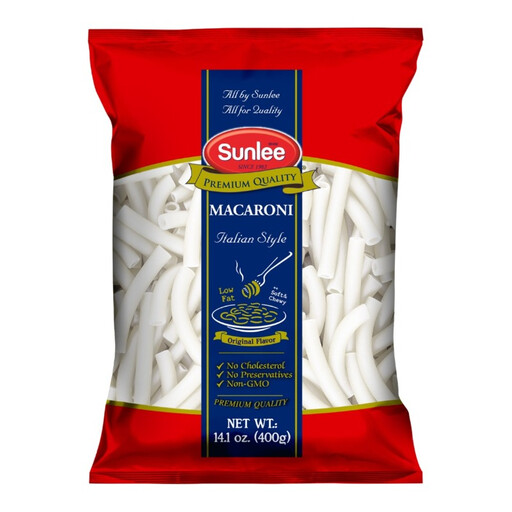 Image unavailable
Sunlee Rice Macaroni Long, 400 g
A long pasta shape to consider if you’re looking for rice pasta. The packet is listed as 400 g; if you need to avoid gluten or other allergens, check the information on the packet you receive.
View on Joybuy
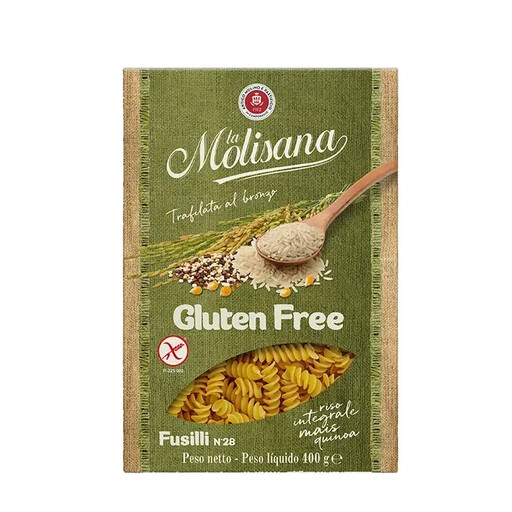 Image unavailable
La Molisana Gluten-free Fusilli N.28, 400 g
A fusilli shape to consider if you’re looking for pasta labelled gluten-free. The packet is listed as 400 g; check its ingredients and any ‘may contain’ warnings for the allergens in question.
View on Joybuy
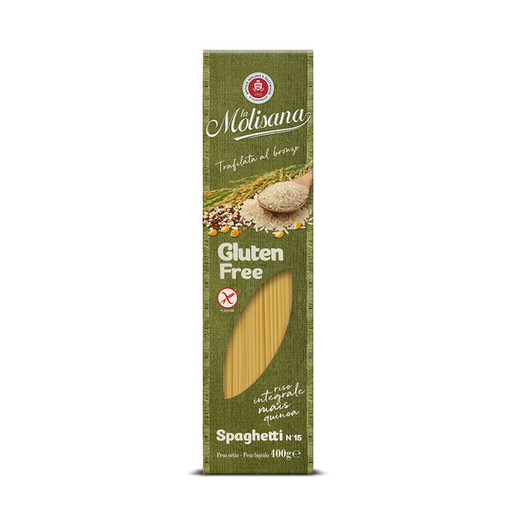 Image unavailable
La Molisana Gluten-free Spaghetti N° 15, wholegrain rice, maize and quinoa, 400 g
Spaghetti to consider if you want this shape in a gluten-free selection. The name of this variety lists wholegrain rice, maize and quinoa, and the packet is 400 g; check the label for allergens and any ‘may contain’ warnings.
View on Joybuy
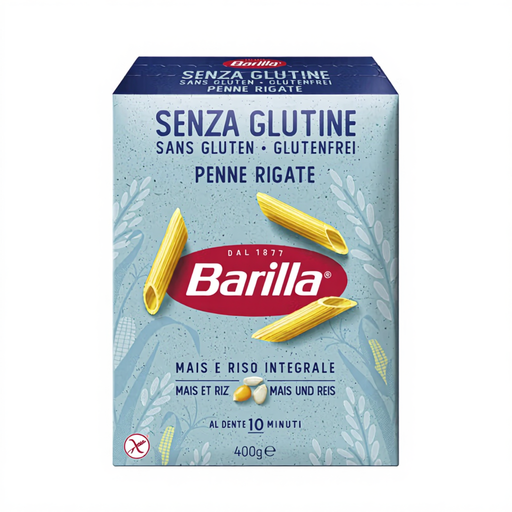 Image unavailable
Barilla Gluten-free Penne Rigate, 400 g
Penne rigate to consider if you want this shape with a ‘gluten-free’ label. The packet is listed as 400 g; check the label for this specific product for any other relevant allergens.
View on Joybuy
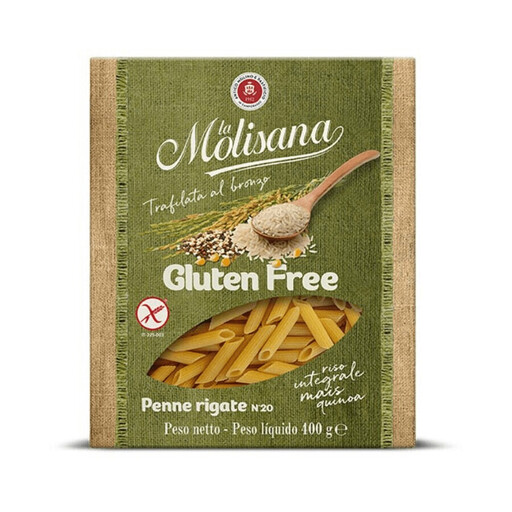 Image unavailable
La Molisana Gluten-free Penne Rigate N°020
Another penne rigate option to consider for meals that call for pasta labelled gluten-free. Check the ingredients and any ‘may contain’ warnings on the packet you choose.
View on Joybuy
Frequently asked questions
Can wholemeal or organic pasta contain gluten?
Yes. Lustucru’s Organic Wholemeal Penne is made with wholemeal durum wheat semolina, and the brand says it naturally contains gluten. Check the ingredients rather than assuming these labels mean the pasta is gluten-free.
Is ‘gluten-free’ enough for all allergies?
No. It refers to gluten, not all other allergens. For each packet, check the ingredients for listed allergens and any precautionary warnings relevant to your household’s needs.
Why check the label again when changing pasta shape?
Because ingredients and precautionary information can vary by product. For example, Lustucru says its Organic Wholemeal Penne is made in a facility that uses eggs, while its Spaghetti courts may contain traces of soya and mustard. Check the specific shape you’re buying.
Is choosing the right packet enough to avoid contact with gluten?
No. Preparation matters too when gluten needs to be avoided. AFDIAG recommends avoiding cross-contamination; keep the pasta in question away from utensils and surfaces used to prepare foods containing gluten.


