
Livraison le jour même ou le lendemain

Qualité garantie

Débloquez vos offres de bienvenue: Livraison GRATUITE | Jusqu'à -80 % | 30 jours d'essai gratuits à JoyPlus
Téléchargez l'application
Choosing dry dog and cat food isn’t just about comparing the price per kilo or trusting a promise printed on the front of the bag. Your pet’s age, weight, whether they’ve been neutered, their activity level and size all play a part in selecting the right dry food.
Some marketing claims can be confusing, though. Here are the main pitfalls to avoid before you place your order.
A label that says “with chicken”, “with beef” or “with fish” doesn’t necessarily mean meat makes up most of the recipe. Take the time to read the ingredients list and check the percentages shown. A recipe might, for example, contain only 4% beef or 16% beef by-products, with cereals and plant proteins making up a large proportion.
Grain-free dog food usually replaces wheat or maize with peas, potato, cassava or other sources of starch. This choice may suit certain preferences, but it isn’t enough to judge a food’s quality or balance. Digestibility, protein and fat content, and how well it meets your pet’s needs remain the key criteria.
An 8 kg, 10 kg or 12 kg bag can lower the cost per serving – provided it’s eaten quickly enough and stored properly. A bag that isn’t sealed properly will lose freshness and may absorb moisture. For a small dog or a cat that doesn’t eat much, several smaller bags are often more practical.
For everyday feeding, look for the phrase “complete food”. A puppy or kitten’s needs aren’t the same as an adult animal’s. Purina One Bifensis kitten food, for example, is designed for kittens after weaning and up to 12 months, as well as pregnant or nursing queens, according to the manufacturer’s guidelines.
For an adult pet, choose a recipe that’s clearly labelled: adult dog food, adult cat food, a formula for neutered pets, or food specially designed for indoor living.
This information is listed in the analytical constituents. It should be interpreted according to the species and your pet’s profile. A recipe for adult cats might show between 34% and 37% protein, while a formula for adult dogs will usually have a different level.
For a less active or neutered pet, also keep an eye on the fat content and the feeding recommendations. Light dog food doesn’t mean you can ignore your companion’s weight – the amount you serve should be adjusted to their activity and body condition.
Small dog kibble needs to be small enough to pick up and chew easily. Conversely, recipes for medium or large dogs often have bigger pieces. The packaging should also suit how often you buy and how much storage space you have.
Store kibble in a cool, dry place, seal the bag carefully and always leave fresh water available. When changing your pet’s food, allow a gradual transition over 7 to 10 days, following the recommendations on the product.
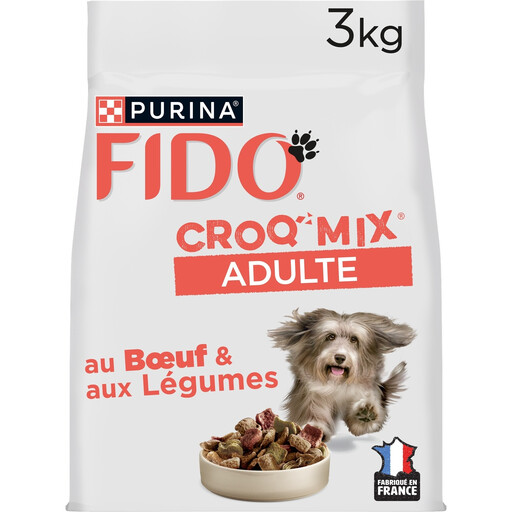
Why this suits this profile: This adult dog recipe comes in a 3 kg bag – a practical size for trying dry food without having to store a large quantity.
The composition clearly states 4% beef, while the analytical constituents show 20% protein and 10% fat. These figures are more useful for comparing recipes than just the picture on the bag.
A complete food for adult dogs, made with beef and vegetables, in a 3 kg bag. The kibble can be softened with warm water, according to the manufacturer’s instructions.
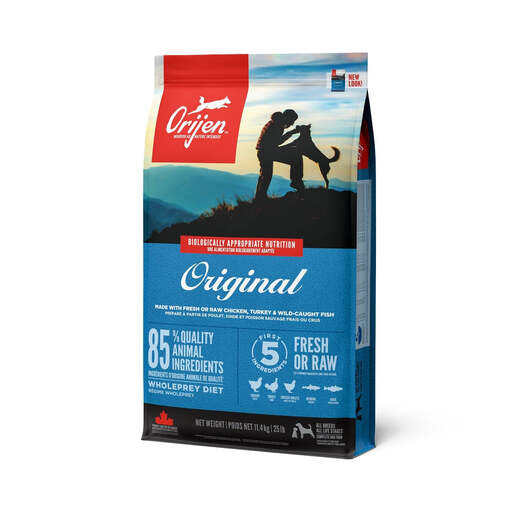
Why this suits this profile: This large bag is aimed at owners looking for a dog recipe that combines several animal sources and delivers 38% protein.
The product page details the analytical constituents: 38% protein, 18% fat, 5% fibre and 12% moisture. That gives you solid facts to compare the recipe.
A complete dog food recipe with chicken, turkey, fish and egg in the ingredients. The 11.4 kg bag comes with a recommendation to transition over 7 to 10 days.
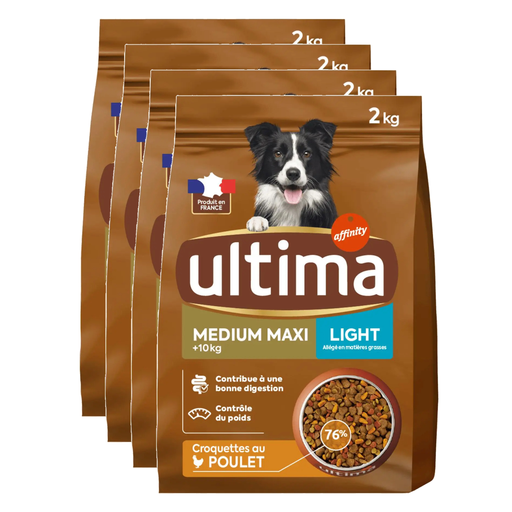
Why this suits this profile: This formula is designed for adult dogs of medium or large size, weighing over 10 kg, whose portions need careful attention.
The product page states the intended use, the minimum weight of the animal and a claimed 30% reduction in fat compared to another clearly identified Ultima formula. That puts the comparison in context.
26.5% protein and 11.5% fat, with pieces suited to medium and large dogs. The ingredients include chicken, rice and vegetables.
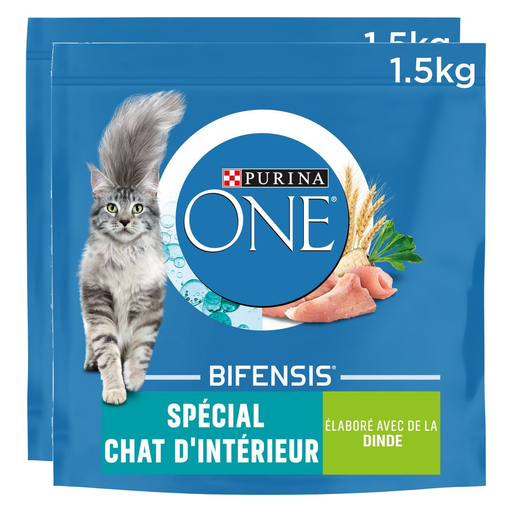
Why this suits this profile: This recipe is designed for adult cats that live mainly indoors. The portion should naturally be adjusted to their activity level and body condition.
The “indoor” label targets a specific audience: an adult cat at least 1 year old that lives mainly indoors. It isn’t based on a vague promise that applies to all cats.
36% protein and 13% fat, with 17% turkey and 2% chicory root in the ingredients.
We’ve put together a comprehensive, real-time selection of products that meet these criteria, as well as European safety regulations.
The portion depends on your pet’s weight, age, whether they’ve been neutered, their activity level and the energy density of the recipe. Start by following the table on the packaging, then adjust gradually while monitoring your pet’s shape and weight. Don’t forget to count treats too.
Seal the bag after each use and store it in a cool, dry place away from light. How long it lasts in practice depends on the bag size and how much your pet eats each day. To keep the aroma and texture, avoid leaving kibble open for several months.
It isn’t necessary if the food suits your pet and their general condition remains good. If you do need to change recipes, mix the old and new food gradually over several days. For specific situations, especially a diet linked to a health problem, ask your vet for advice.