
Livraison le jour même ou le lendemain

Qualité garantie

Débloquez vos offres de bienvenue: Livraison GRATUITE | Jusqu'à -80 % | 30 jours d'essai gratuits à JoyPlus
Téléchargez l'application
Hair that feels rough to the touch, split ends, frizz at the slightest hint of rain, or colour that quickly loses its vibrancy – finding the right treatment for dry and damaged hair can quickly become a headache when faced with promises of intense nourishment, repair or long-lasting protection.
The problem isn’t necessarily a bad choice. A formula can also be too rich for fine hair, used incorrectly, or chosen by confusing hydration, nourishment and simple smoothing effects.
A hydrating conditioner mainly adds softness and makes detangling easier. A nourishing formula focuses more on oils, butters or emollient agents, whereas a repairing mask for damaged hair may contain hydrolysed proteins or film-forming agents.
These effects are not interchangeable. A formula that is too rich can make fine hair lose volume, while very dry or curly hair can remain rough with a product that is only hydrating.
A leave-in hair treatment is generally applied in small amounts to the lengths and ends. A conditioner must be rinsed out, while a protein treatment may require a specific leave-in time. Using a rinse-out product as a permanent treatment risks weighing down the hair fibre and leaving a sticky or uncomfortable feeling.
How often you use it also matters: a formula designed for weekly use does not automatically replace a daily treatment.
The presence of keratin, oils or silicones is not enough to determine whether a product will suit you. Also look at the texture, fragrance allergens, conditioning agents and safety instructions.
Coloured hair may need a treatment that helps preserve the colour, curly hair a soft cream that doesn’t set the curl rigidly, and hair regularly exposed to a hairdryer needs a heat protectant for hair clearly stated on the packaging.
A lightweight texture will suit fine hair or hair that gets greasy quickly. Thick, porous or very dry hair may prefer a more enveloping cream. The format should also match your habits: a 50 ml bottle is handy for testing a formula or travelling, while a 1,000 ml conditioner can be practical for family or intensive use.
The price per millilitre makes it easier to compare very different sizes. Also check whether the product is applied to the roots or only to the lengths: most detangling treatments are intended for mid-lengths and ends.
For coloured hair, look for an explicit mention of colour protection. For heat styling tools, check the maximum temperature stated and the application conditions. The Olaplex N°6 product sheet, for example, mentions heat protection up to 232 °C: this indication corresponds to the intended use of the product and does not mean you can skip setting your tool correctly.
Always read the INCI list and the warnings. In case of irritation, redness or an unusual reaction, stop using the product immediately. These products are intended for external use only and must not come into contact with the eyes.
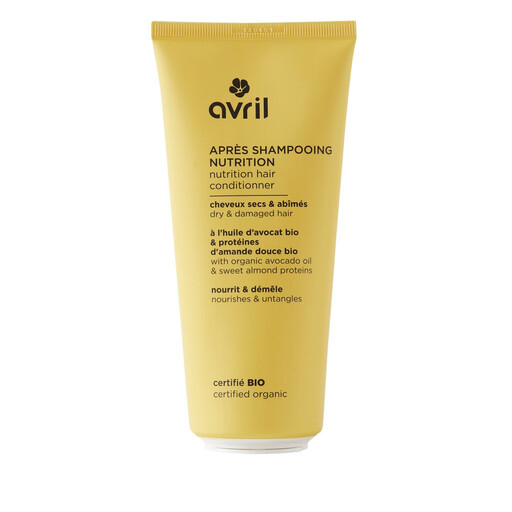
Why this choice suits this profile: Its creamy texture and 200 ml format allow you to start a simple routine for dry hair, with use stated as two to three times a week.
The product sheet states a formula made from 99% naturally derived ingredients and certified Cosmos Organic by Ecocert Greenlife, without presenting the treatment as a universal solution.
Organic avocado oil, sweet almond proteins, made in France and a vegan formula according to the product sheet.
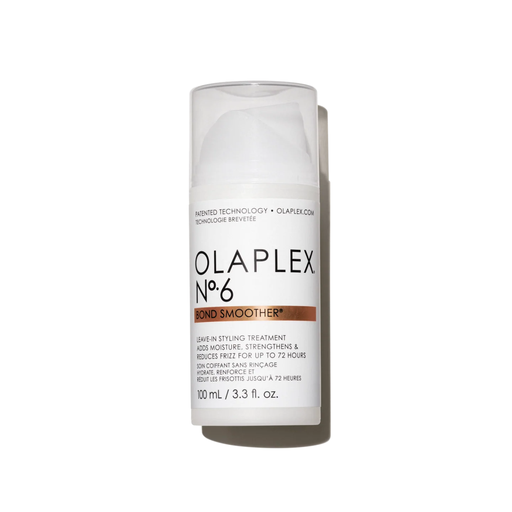
Why this choice suits this profile: This leave-in treatment is for those who want to both tame their hair, add shine and protect it when styling with a heat tool.
The recommended amount remains small — about half a pump for shoulder-length hair — which limits the risk of overloading the hair fibre.
Heat protection stated up to 232 °C and can be applied before blow-drying or air-drying.
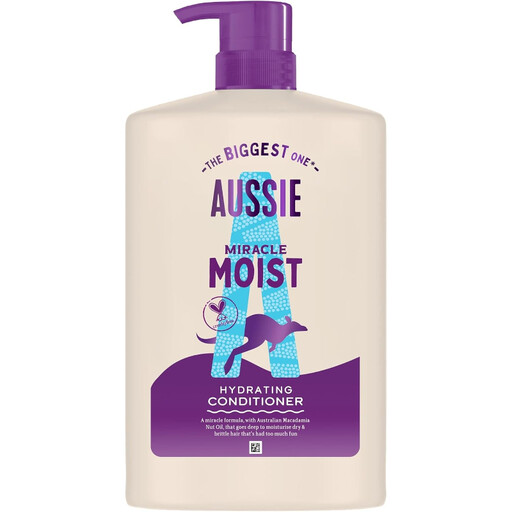
Why this choice suits this profile: Its large size is ideal for frequent washing, long hair or households where several people use a conditioner for dry hair.
The product sheet states it is used after shampooing, on wet hair, then rinsed out completely — a simple routine to incorporate.
Macadamia nut oil listed in the ingredients, detangling action and a stated vegan formula.
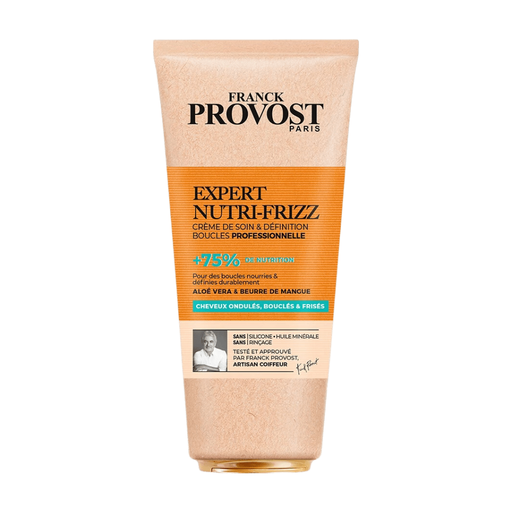
Why this choice suits this profile: This curl cream is applied without rinsing on towel-dried hair. Simply scrunch the lengths to help the curls form.
The product sheet clearly distinguishes application on clean, towel-dried hair and the absence of rinsing, which reduces the risk of incorrect use.
Coconut oil, aloe vera and mango butter listed in the formula, with a texture described as lightweight.
We have put together a comprehensive, real-time updated selection of products that meet these strict criteria and European safety requirements.
Start with a lightweight hydrating conditioner at every wash, then add a mask or nourishing cream once or twice a week. Reserve rich textures for the lengths and ends. If your hair is fine, reduce the amount you apply rather than layering products.
It depends on the formula and the condition of your hair fibre. Start by following the instructions, which often recommend a weekly application for a protein or intensive treatment. Alternate with a hydrating treatment if your hair becomes less supple or harder to style.
No. A leave-in treatment can smooth, nourish or limit frizz without offering any heat protection. Look for an explicit mention on the packaging, then use a moderate temperature and avoid holding the tool in one place.