
Livraison le jour même ou le lendemain

Qualité garantie

Débloquez vos offres de bienvenue: Livraison GRATUITE | Jusqu'à -80 % | 30 jours d'essai gratuits à JoyPlus
Téléchargez l'application
Does your cat live in a flat, has been neutered, or has suddenly turned its nose up at its usual food? Choosing the right dry cat food for adult cats isn't just about picking the most tempting flavour on the packet. The ingredients, daily portion size and pack format all have a direct impact on your pet's health, how practical mealtimes are, and your household budget.
A recipe labelled 'salmon' or 'chicken' can contain several protein sources, while the proportion of the highlighted ingredient is sometimes limited. Some salmon kibbles, for instance, state a total salmon content of just 3%, with 4% in certain shapes of biscuit. The picture on the bag isn't enough – take the time to read the ingredients list.
A 7kg or 12kg bag of cat kibble can lower the price per kilo, but it demands impeccable storage. Once opened, the food gradually loses its aroma and risks absorbing moisture. For a single cat, a 3kg bag can be far more practical, especially if their appetite is modest.
Nutritional needs vary according to your cat's weight, activity level, age and body condition. Even kibble for neutered cats should be given following the manufacturer's guidelines, then adjusted carefully. An approximate scoop can quickly lead to overfeeding.
For everyday meals, look for the phrase 'complete food for adult cats'. This distinguishes the product from a complementary food, which cannot form the basis of all meals on its own. Also check the target age – some products are designed for kittens, pregnant queens or adult cats.
Compare the percentages of protein, fat, fibre and ash. These figures alone don't tell you everything about a recipe, but they make it easier to compare chicken kibble, beef kibble, salmon kibble and fish kibble.
The stated proportion of an ingredient also deserves your attention. Some PURINA ONE products, for example, list 17% chicken or salmon, while other recipes show 16% beef by-products. These numbers reflect each product's labelling – they don't guarantee that every cat will accept them in the same way.
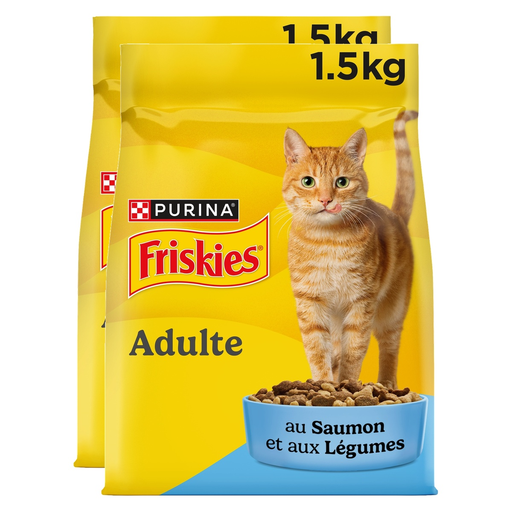
Why this suits this profile: At 3kg, this format is ideal for a household that wants to try dry food for an adult cat without storing a large volume.
The ingredients state that salmon makes up 3% of the total product – so the label can be interpreted with more perspective.
Complete food for adult cats, 30% crude protein and a 3kg format.
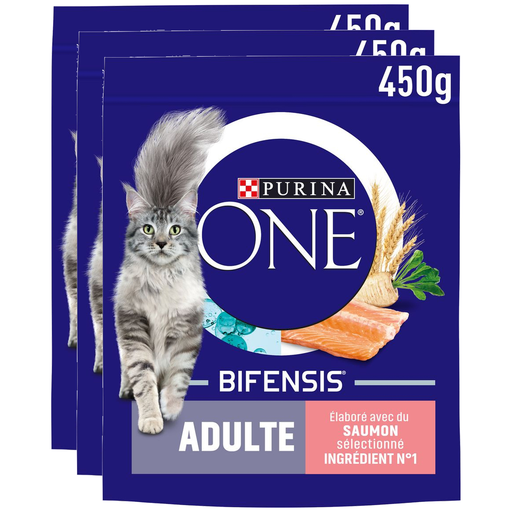
Why this suits this profile: This salmon recipe comes with a detailed nutritional breakdown, ideal for owners who want to know exactly what they're feeding their pet.
The product states 17% salmon, 34% protein and 14% fat – useful data for objectively comparing recipes.
Contains chicory root and Lactobacillus bacteria, as listed in the ingredients.
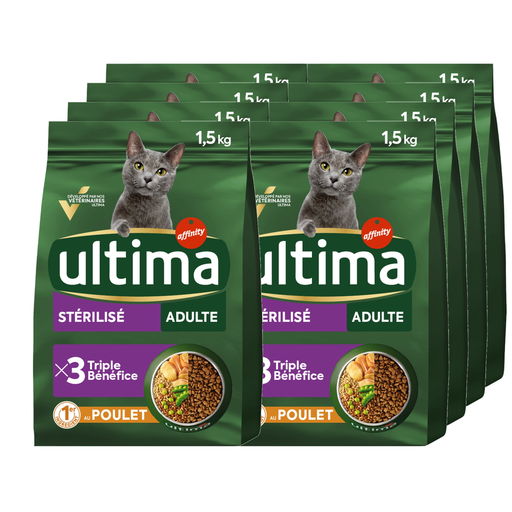
Why this suits this profile: This 12kg bag is suitable for multi-cat households or those who regularly use this recipe, provided you have appropriate storage.
The portion is given by weight range, from 25 to 80g per day depending on the cat, which helps avoid the dreaded 'free-feeding' approach.
Recipe designed for neutered adult cats, with 17% chicken and 12% fat according to the product sheet.
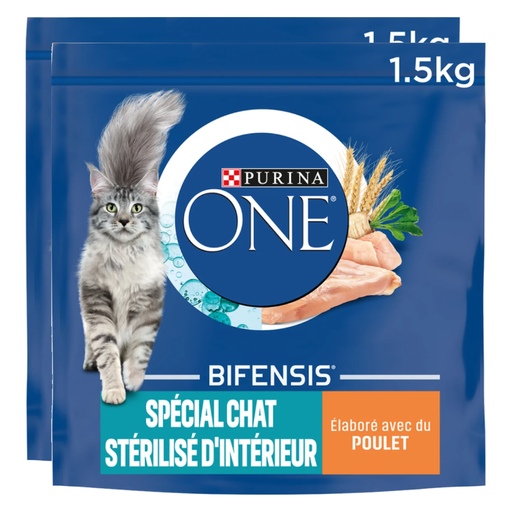
Why this suits this profile: This recipe targets neutered adult cats that mainly live indoors and comes as two 1.5kg bags.
The volume split into two bags makes storage easier, while the product sheet states 37% protein and 5.5% fibre.
Chicken at 15%, chicory root at 2% and Lactobacillus mentioned in the formulation.
We've put together a comprehensive, real-time updated selection of products that meet these criteria, as well as European safety regulations.
Allow a transition period of seven to ten days, gradually mixing the old and new recipes. This period is especially helpful for cats with sensitive digestion. Stick to the recommended portion, weigh it using a kitchen scale, and adjust according to your cat's activity level and weight changes.
Store the bag in a cool, dry place away from direct sunlight. Reseal it after each use, or pour the kibble into a clean, airtight container. Also make sure your cat always has a bowl of fresh water available.
The amount depends on your cat's weight, activity level and the recipe you choose. The recommendations on the packaging are a good starting point. For a neutered or less active cat, keep a regular eye on their body shape and consult a vet if you notice any significant changes.
This depends on the manufacturer's recommendations, the bag size and storage conditions. Smaller packs or split bags reduce the time the food is exposed to air. Seal the packet carefully and check the smell, appearance and best-before date.
Not necessarily. A large format can lower the price per kilo, but only if your cat eats the kibble before it loses its freshness and if it's stored correctly. For a single cat, compare the price per kilo of a 12kg bag with that of a 3kg format, taking into account your actual buying pattern.