To choose nuts with a lower fat content in mind, compare the value per 100 g for products of the same type. The words ‘no added salt’ don’t answer this question. For a drinks party with friends, check the ingredients and allergens in mixed snacks too. If you’re adding dried fruit, check its sugar content separately.
Who is this guide for?
Hosts keeping an eye on fat content
You want to compare nutritional values per 100 g rather than infer a product’s composition from a claim such as ‘no added salt’. Carrefour product listings show that products with no added salt can have different fat contents.
People who prefer unsalted products
You’re looking for unsalted nuts to serve on a sharing platter, without assuming they contain less fat. Manger Bouger treats this as a preference about salt, separate from comparing nutritional values.
Groups checking ingredients and allergens
Before sharing a snack mix, you need to be able to identify peanuts, tree nuts and any ‘may contain’ warnings. The ingredients list can also help you spot added sugar or oil.
What should you check before buying?
When putting together snacks for a drinks party, start with the factor that matters most to your guests. Then read the other information on the label without confusing one detail for another.
| What to check |
Look for |
Who is it for? |
| Fat |
The value per 100 g for products of the same type, and the ingredients in the mix. |
If I’m looking to limit the fat content of the snacks, a claim about salt isn’t enough to choose between two products. Around 50% of consumers prioritise this comparison. |
| Salt |
The ‘unsalted’ or ‘no added salt’ claim, and the salt value shown. |
If I want to offer unsalted nuts rather than a salted mix, I choose based on salt first. Around 30% of consumers prioritise this. |
| Ingredients and allergens |
The ingredients list, declared allergens and any ‘may contain’ warnings. |
When several friends are sharing the same selection, I want to know what’s in it before serving. Ingredients and allergens come first for around 20% of consumers. |
Common misconceptions to avoid
-
Assuming ‘no added salt’ means ‘lower in fat’
According to Carrefour’s product listings, a mix with no added salt contains 40 g of fat per 100 g, while unsalted roasted pistachios contain 45 g per 100 g. So a claim about salt doesn’t tell you the fat content.
If fat is your main concern, compare the ‘fat per 100 g’ value for similar products.
-
Relying on the words ‘dried fruit’ alone
Ingredients vary from one recipe to another. Carrefour Bio’s dried cranberry listing specifies 39% cane sugar and sunflower oil.
For a fruity bite, check the ingredients as well as the ‘sugars’ and ‘fat’ values.
-
Serving a mix without checking its allergens
A single mix may contain peanuts and several types of tree nuts. For prepacked foods in France, the DGCCRF reminds shoppers that allergenic ingredients must be highlighted in the ingredients list.
Check every pack, including any ‘may contain’ warnings, and keep the information available to guests while you’re serving.
Retailers to browse
Carrefour
The retailer’s product listings show the nutritional values of snack mixes and nuts.
- The products reviewed let you compare fat per 100 g across several recipes.
- A product with no added salt isn’t necessarily presented as lower in fat.
E.Leclerc
The retailer’s drive range includes nuts and dried fruit.
- You can check the products available from your local store.
- Check the label of the product you choose before assuming it has a lower fat content.
Auchan
The range includes nuts, seeds and mixes, including some products with no added salt.
- Some products let you choose based on whether salt or oil has been added.
- ‘No added oil’ doesn’t tell you the total fat content on its own.
Lidl
The Alesto range includes plain nuts, dried fruit and snacks for a drinks party.
- Plain products may appeal if you’re looking for a simple ingredients list.
- Check the ingredients in seasoned or coated snacks separately: they’re not interchangeable with plain nuts.
Aldi
The retailer stocks products such as Trader Joe’s unsalted roasted pistachios.
- This product is a good fit if you’re looking for unsalted pistachios.
- If you’re watching fat content, check the nutrition information separately from the claim about salt.
Monoprix
The ranges distinguish dried fruit from nuts, and include products with no added salt.
- This distinction makes it easier to compare products in the same category.
- Check the ingredients of each product: the aisle or a ‘no added salt’ claim won’t tell you the fat content on its own.
Dried fruit available on Joybuy
These two dried fruits can add a fruity note to a spread for sharing. They’re not direct alternatives to a salted nut mix, so check the label if you’re choosing based on fat or sugar content.
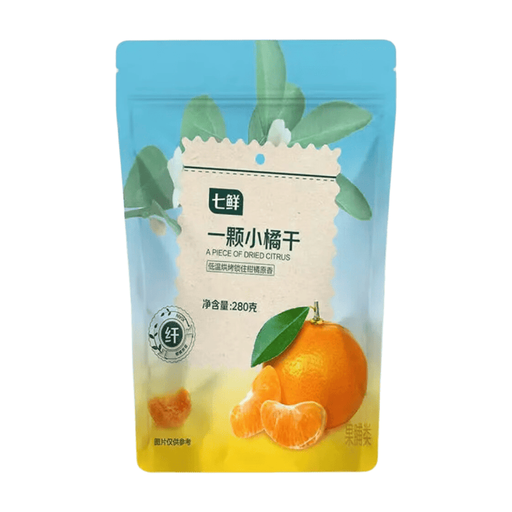 Image unavailable
7FRESH One Small dried tangerines, 280 g
Worth considering if you’d like to serve dried fruit alongside nuts at a drinks party.
The pack contains 280 g. Before serving, check the pack for ingredients, allergens and fat and sugar values per 100 g. The product name alone doesn’t mean it has a lower fat content.
View on Joybuy
 Image unavailable
Haoxiangni Grade 2 Fresh-Locked pitted jujubes, Original Flavour, 280 g
Worth considering if your guests would prefer a dried fruit snack to a nut mix.
This pitted variety comes in a 280 g pack. Check the ingredients and nutritional values on the pack, especially sugars per 100 g. A fat value on its own doesn’t show that it has less fat than a comparable product.
View on Joybuy
Frequently asked questions
Does ‘no added salt’ mean ‘reduced fat’?
No, these claims relate to different things. According to Carrefour’s product listings, a mix with no added salt contains 40 g of fat per 100 g, while unsalted pistachios contain 45 g per 100 g. Check the fat value separately.
How do I compare the fat content of two nut products?
For products of the same type, compare their fat content per 100 g, then check their ingredients. A single value or a claim such as ‘plain’ doesn’t show that one product has less fat than another.
Which allergens should I check in a snack mix?
Check each product for peanuts and different types of tree nuts, as well as any ‘may contain’ warnings. The DGCCRF reminds shoppers that in France, allergens in prepacked foods must be highlighted in the ingredients list. Keep the packaging close by so guests can check it.
How should I serve nuts and dried fruit at a drinks party?
Serve each product in a separate bowl and keep the packaging handy so everyone can check the ingredients and allergens. If you’re serving both nuts and dried fruit, don’t assume their fat or sugar content is comparable without checking the values per 100 g.


