
Livraison le jour même ou le lendemain

Qualité garantie

Débloquez vos offres de bienvenue: Livraison GRATUITE | Jusqu'à -80 % | 30 jours d'essai gratuits à JoyPlus
Téléchargez l'application
Buying drinks in multipacks can lighten your shopping load, prevent running out at home and simplify event planning. But the price on the box alone isn't enough to tell you whether the deal is genuinely worthwhile. An awkward format, a disproportionate quantity or a composition that doesn't match your household's habits – a few details can quickly turn a good bargain into an unnecessary purchase.
This guide from the Joybuy Product Recommendation Officer helps you compare products based on their use, ingredients and packaging, rather than relying solely on marketing claims.
A case of 24 bottles might look like a good deal, but start by working out the price per litre. Then check its shelf life and the storage space you'll need. For a family, a large pack can be very practical. For someone living alone, however, it risks cluttering up the cupboards unnecessarily.
Also remember to compare bottle sizes: a multipack of 33 cl soda bottles doesn't serve the same purpose as a case of 75 cl water bottles or a bundle of 50 cl vitamin drinks.
Claims like "natural", "with fruit", "sugar-free" or "low in calories" should always be checked against the ingredients list and nutrition table. A flavoured water may contain sugar, while a sugar-free drink can still contain sweeteners.
For less common drinks, also think about allergens. Barley malt and wheat found in some beers and malt drinks contain gluten.
Glass bottles need more care during transport and storage. Plastic bottles are lighter, but their shape and cap aren't always suited to drinking on the go.
Once opened, some drinks must be kept in the fridge and consumed quickly. This information is on the packaging – it's worth checking before you buy in bulk.
Start by estimating the quantity that matches your usual consumption. A pack of 12 x 50 cl bottles gives you 6 litres, compared with 12 litres for a case of 24 x 50 cl bottles. For everyday meals, 50 cl to 75 cl bottles are easy to hand out. The 25 cl or 33 cl sizes are better suited to aperitifs, parties and portion control.
If you're looking for water bottles for sport or travel, a sports cap can be more practical than a standard one. A 700 ml reusable bottle can also top up your supply and reduce the need to buy individual bottles on the go.
Look at the energy, carbohydrate and sugar content per 100 ml, then scale those values up to the amount you actually drink. For example, Bundaberg Ginger Beer Drink has 45 kcal and 10.8 g of sugars per 100 ml, which works out at 169 kcal and 40.5 g of sugars per 375 ml bottle.
By comparison, Vitamin Well Hydrate has 16 kcal per 100 ml. This information is not medical advice – it simply helps you compare this drink with other options. When choosing a low-calorie drink, the label is still your best source.
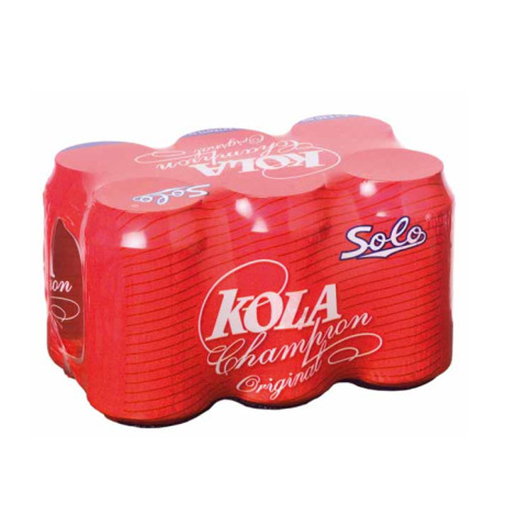
Why this suits them: With six 33 cl bottles, this pack lets you try the product without building up a stock that's hard to get through.
The small pack size reduces the risk of overstocking and makes it easy to calculate the price per litre.
Six 33 cl bottles, recipe made in France, 42 kcal per 100 ml according to the product page.
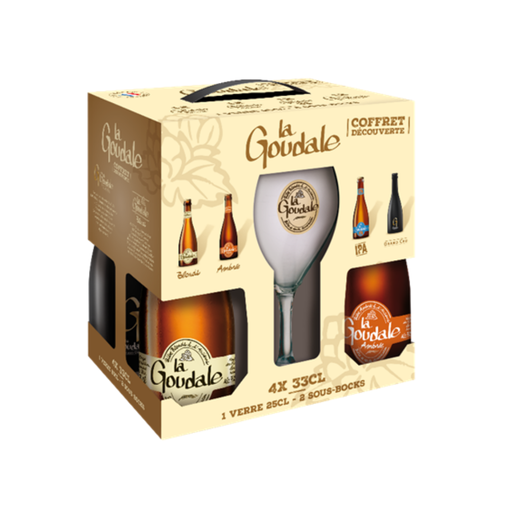
Why this suits them: This French tasting box is perfect for sharing with others, featuring several beer styles and a glass included.
The detailed contents mean you won't buy an assortment without knowing which beer styles are inside.
Four 33 cl bottles, glass included, average alcohol content stated at 7.41% vol. Sale prohibited to minors.
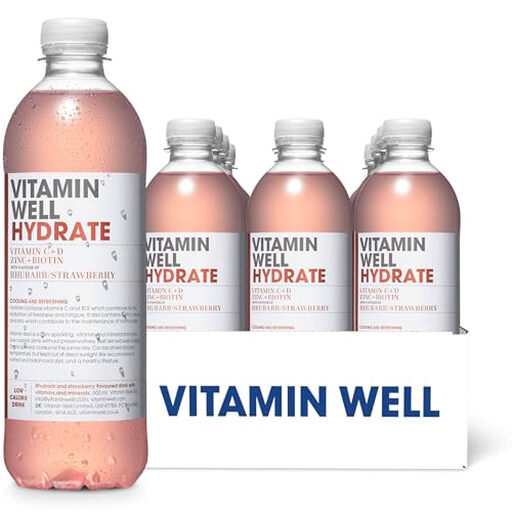
Why this suits them: The twelve 50 cl bottles make a handy stock for travel, the office or sports sessions.
The size of each bottle is clearly stated, helping you plan your needs without being weighed down by a bulky format.
Pack of 12 × 50 cl, 16 kcal per 100 ml, rhubarb and strawberry flavours.
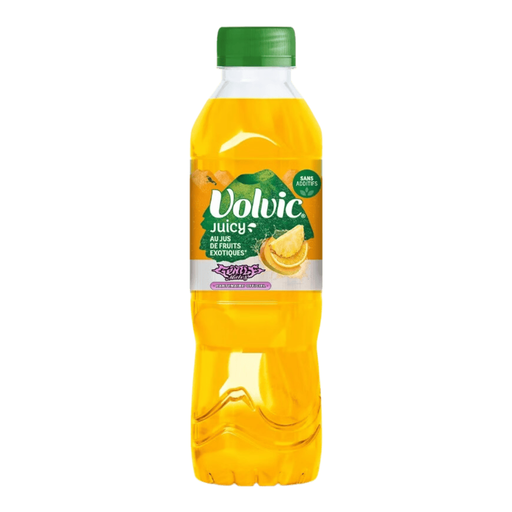
Why this suits them: The large pack is ideal for meals, picnics and households that regularly drink flavoured water.
The fruit juice content, stated at 8.6%, helps you tell this flavoured water apart from pure fruit juice.
24 x 50 cl bottles, 17 kcal and 4 g of sugars per 100 ml according to the product page.
We've put together a full selection, updated in real time, of products that meet these exacting criteria and European safety regulations.
Choose a total volume that matches your weekly consumption and formats that are easy to store. A pack of 24 x 50 cl bottles can work for regular use. For meals and events, an assortment of smaller bottles can sometimes be more practical.
Follow the instructions on the packaging. As a general rule, an opened drink should be resealed, placed in the fridge if recommended, and consumed within the stated time. Fizzy drinks also gradually lose their bubbles after opening.
No, not necessarily. Compare the price per litre, the amount you actually drink and the storage space you have. A small multipack can work out better value than a large case if it avoids waste or if the drink doesn't end up suiting your habits.