A drinking yoghurt may be an option as a snack before a run or after exercise, provided you already know you tolerate it well. During a marathon, it is no substitute for a sports drink: the IRBMS describes isotonic drinks in terms of their water and carbohydrate content and, depending on conditions, sodium. The terms ‘mature’ or ‘aged’ do not mean you can skip checking the product’s ingredients, serving size and storage instructions.
Who is it for?
When you plan to drink the product affects what you should look for: a dairy snack before or after a training session doesn’t meet the same needs as a drink consumed during a race.
Runners looking for a snack before a run
If you’d like a dairy-based drink before a long training session, choose a product you already know you can digest comfortably. The IRBMS stresses the importance of adapting your diet to the competition; race day is not the time to try something new.
Runners planning a post-run snack
If you’re looking for a convenient drink after a session, compare the protein and carbohydrate content per serving you’ll actually consume. A higher-protein dairy product and a standard drinking yoghurt may have quite different nutritional profiles.
Runners mindful of lactose and travel
If lactose, milk proteins or the journey to the start line are important considerations, check the ingredients, allergens and storage instructions for the exact product format. ‘Lactose-free’ does not mean ‘dairy-free’.
What should you look for at each stage?
If you’re considering drinking yoghurt before, during or after a marathon, start by distinguishing a sports drink from a dairy snack. Then compare the nutritional information per 100 g and per serving, while also taking tolerance and storage into account.
| Criteria |
What to check |
Who it matters to |
| Drinking during exercise |
For a drink intended for use during a race, check the stated carbohydrate and sodium content, and consider how water fits into your strategy. |
During the marathon, I want to plan what to drink and how to take on carbohydrates, without mistaking a dairy snack for a sports drink; around 31% of consumers would put this need first. |
| Milk tolerance |
Read the ingredients and allergen information; check for a ‘lactose-free’ label if that’s relevant to your needs. |
Before a long run, I prefer to stick to a dairy product I already tolerate; nearly 31% of consumers would make tolerance their top priority. |
| Post-session snack |
Compare the protein and carbohydrate content per serving, rather than relying on the product range name alone. |
After exercise, I’m looking for a drinkable snack with the amount of protein I want to consume; around 23% of consumers would prioritise this. |
| Format and storage |
Check the serving size, how long this format can be kept out of the fridge and the packaging instructions. |
If I’m taking my snack with me to the start or for after my session, I need to be able to follow its storage instructions; around 15% of consumers would prioritise this consideration. |
Mistakes to avoid
-
Choosing a ‘mature’ or ‘aged’ label as a sports criterion
These terms tell you nothing about the carbohydrate content per serving or whether the product is suitable during a race. The Ministry of the Economy’s specification also distinguishes between yoghurts, fermented milks and cheeses, so don’t apply a cheese-ageing criterion to a drinking yoghurt.
If a flavour appeals to you, first compare its ingredients, nutritional information and storage instructions.
-
Automatically replacing your sports drink with a drinking yoghurt
For marathon running, the IRBMS describes isotonic drinks in terms of their water, carbohydrate and sodium content, depending on the conditions. The name ‘drinking yoghurt’ doesn’t tell you whether it has this profile.
Keep dairy snacks for a time when you know you can tolerate them. During the race, consider your drinking and carbohydrate strategy separately.
-
Comparing products by name alone
Nutritional profiles vary. Auchan lists 3.1 g of protein and 10 g of carbohydrates per 100 g for its mixed-flavour drinking yoghurt; Danone lists 25 g of protein and 16.5 g of carbohydrates for a 300 g bottle of HiPRO Blueberry. These figures refer to different serving sizes.
Check the figures per 100 g, then compare them based on the serving you plan to drink.
-
Forgetting to keep it chilled during travel
Storage instructions vary by product and format. Yoplait says some small Yop formats can be kept out of the fridge for up to 8 hours, while its larger formats need to stay chilled. The Ministry of Agriculture also stresses the importance of following the temperatures specified by the manufacturer.
Check the packaging for the format you’ve bought and plan your journey around its storage instructions.
You may need an insulated bag and an ice pack if the product needs to stay chilled during the journey.
Brands to compare
These ranges offer a useful guide to formats and nutritional profiles. Choose based on the specific product, not the brand alone.
Yoplait / Yop
Yoplait offers fruit-flavoured drinking yoghurts in small and large formats.
- According to Yoplait, some 100 g, 180 g and 250 g Yop formats can be kept out of the fridge for up to 8 hours, provided you follow the product’s storage instructions.
- According to the brand, larger formats need to stay chilled. Also check the ingredients if lactose or added sugars are important to your choice.
Danone / Actimel
Actimel is a drinkable dairy product, available in individual 100 g bottles, among other formats.
- The individual serving makes it easy to compare the amount you plan to have as a snack.
- The plain version listed by Carrefour contains fermented milk, liquid sugar and dextrose, among other ingredients. Its format alone doesn’t make it a sports drink.
Danone / HiPRO
Danone describes HiPRO Blueberry as a drinkable dairy product containing 25 g of protein per 300 g bottle and labelled ‘lactose-free’.
- The protein content is stated for the whole bottle, making it easier to compare with the serving you’d like to drink after a session.
- Danone also lists 16.5 g of carbohydrates per bottle and says it contains sweeteners. ‘Lactose-free’ does not mean dairy-free, nor does it mean the product can replace a sports drink.
Carrefour Sensation / Carrefour Classic'
Carrefour offers drinking yoghurts and drinkable fermented milks under these ranges; check the packaging to see which category each product belongs to.
- The 825 g Carrefour Sensation strawberry and banana product could provide several servings at home.
- Carrefour lists 7.1% sugar in the ingredients for this product. If you’re taking it with you as an individual serving, check the serving size and storage instructions for the large format.
Auchan
Auchan offers, among other products, a mixed-flavour drinking yoghurt in individual servings.
- For the mixed-flavour product described by Auchan, the nutritional information lists 10 g of carbohydrates and 3.1 g of protein per 100 g.
- This is a sweetened drinking yoghurt. Compare its nutritional values with the amount you’ll consume, and don’t mistake it for a drink designed for exercise.
A sports drink to consider
This Joybuy option is for those looking for a sports drink for exercise, not a drinking yoghurt as a snack before or after a race. Check its ingredients before deciding whether it suits your strategy.
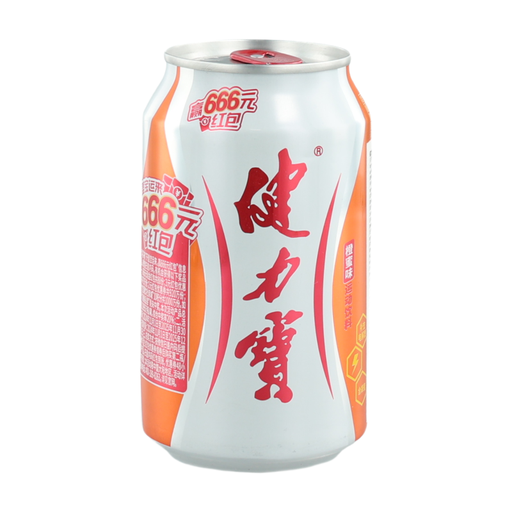 Image unavailable
JianLiBao Cooling Hydration, orange flavour, 330 ml
Worth considering if you’re looking for a sports drink rather than a dairy snack during exercise. The stated format is 330 ml; check the label for carbohydrates and sodium before adding it to your race strategy.
View on Joybuy
Frequently asked questions
Can a drinking yoghurt replace my drink during a marathon?
Not automatically. The IRBMS describes isotonic drinks as providing water, carbohydrates and sodium, depending on the conditions. If you tolerate it, a drinking yoghurt may be more suitable as a snack before or after exercise.
What format of drinking yoghurt should I take to a session?
Choose a format whose storage instructions suit your journey. Yoplait says some small 100 g, 180 g and 250 g Yop formats can be kept out of the fridge for up to 8 hours, but its larger formats need to stay chilled. Always check the packaging of the product you’ve bought.
Is ‘lactose-free’ enough if I need to avoid milk?
No. ‘Lactose-free’ and ‘milk protein-free’ mean different things, so check the ingredients and allergens for the exact product. The label also doesn’t tell you whether you’ll tolerate it during a race.


