Families who want to serve breakfast quickly
If everyone eats breakfast at a different time, compare individual portions with bottles made for sharing. The size you choose should also suit how you plan to store the product.


For a weekend breakfast, small bottles make it easy to serve individual portions, while a large bottle is ideal for sharing at the table if you can keep it chilled and finish it within the recommended time after opening. A higher-protein dairy drink meets a different need: check its product description, serving size and ingredients rather than assuming it’s the same as drinking yoghurt.
If everyone eats breakfast at a different time, compare individual portions with bottles made for sharing. The size you choose should also suit how you plan to store the product.
When comparing flavoured recipes, check the ‘of which sugars’ figure per 100 g and the ingredients list, rather than relying on a single claim on the packaging.
If protein content is your main priority, check the figures per serving and per 100 g, as well as any sweeteners. A drinkable dairy product may not be classed as drinking yoghurt.
First decide whether you want to serve everyone an individual bottle, share one at the table or choose a product for its ingredients. Then check storage instructions and nutritional information for the exact product you’re considering.
Best for: when everyone has their own bottle or you need one to take with you.
Bear in mind: you’ll need several bottles, and you should check the storage instructions for each product. Yoplait says its 100 g, 180 g and 250 g Yop bottles can be kept out of the fridge for up to 8 hours. This applies to these sizes only.
Best for: when several people are having the same drink at the table and you can keep it chilled.
Bear in mind: follow the instructions for how soon to finish it after opening. Auchan says to store its 850 g vanilla bottle between 0 °C and +6 °C before opening, and to consume it soon after opening.
Worth considering: if protein content is specifically what you’re looking for.
Check: the product description and ingredients. The Danone HiPRO and Marque Repère SPORT products reviewed are drinkable dairy specialities containing sweeteners, rather than classic family-sized drinking yoghurts.
| What to consider | What to check | Who is it for? |
|---|---|---|
| Serving and size | Number and size of portions; storage before and after opening. | When everyone eats breakfast at a different time, I want to be able to hand out portions without leaving a large bottle open on the table. Around 42% of consumers would put ease of serving at the top of their list. |
| Sugars and ingredients | ‘Of which sugars’ per 100 g, ingredients list and any sweeteners. | If I choose a flavoured recipe, I want to understand what’s in it before I decide. Comparing sugar levels and ingredients would be a priority for around 33% of consumers. |
| Protein content | Protein per serving and per 100 g; exact product description. | I’m looking for a drink where protein content matters more to me than a family-sized bottle. Around 25% of consumers would make this their top priority. |
A claim about calcium or a vitamin doesn’t tell you everything about the sugar or the full ingredients list of a flavoured drinking yoghurt.
Compare the ‘of which sugars’ figure per 100 g and the ingredients list for each recipe you’re considering.
Yoplait says that its 100 g, 180 g and 250 g Yop bottles can be kept out of the fridge for up to 8 hours. It advises throwing them away after that time and keeping its larger bottles chilled.
Follow the instructions for the bottle you choose. For chilled products, Anses recommends maintaining the cold chain during transport.
A bottle for sharing needs to be put back in the fridge and consumed according to the instructions on its packaging. For example, Auchan advises consuming its 850 g vanilla bottle soon after opening.
If breakfast times are far apart, compare this with the convenience of individual portions.
A high-protein claim alone doesn’t tell you what category a product belongs to or what else it contains. The HiPRO and SPORT specialities reviewed contain sweeteners.
If you’re comparing these drinks with drinking yoghurt, check the product description, serving size, nutritional information and ingredients.
These ranges illustrate different sizes and product categories. The details given apply to the specific products listed, not to every recipe from each brand.
The Yop range includes drinking yoghurts in small and large sizes.
The HiPRO range includes drinkable dairy specialities for shoppers comparing products on factors such as protein content.
The range includes a vanilla drinking yoghurt sold in 180 g bottles.
Auchan offers drinking yoghurts in individual portions, as well as an 850 g vanilla bottle for sharing.
The E.Leclerc catalogue features large Déli'max bottles, as well as 190 g portions of its SPORT drinkable specialities.
For this breakfast, the two Wantzai products are options for small flavoured portions. Barebells is a single-serve milkshake to consider separately if you’re interested in its ingredients; it isn’t drinking yoghurt.
 Image unavailable
The four individual portions may be a good choice if everyone wants their own bottle at breakfast.
If you’re specifically looking for drinking yoghurt, check the product description on the French label. Also check the nutritional information and allergens for this product.
 Image unavailable
This strawberry flavour comes in four individual portions for serving separately at the table.
If the ‘drinking yoghurt’ category is important to you, check the product description on the French label. To compare the two Wantzai flavours, read the nutritional information for each rather than assuming what they contain based on the flavour.
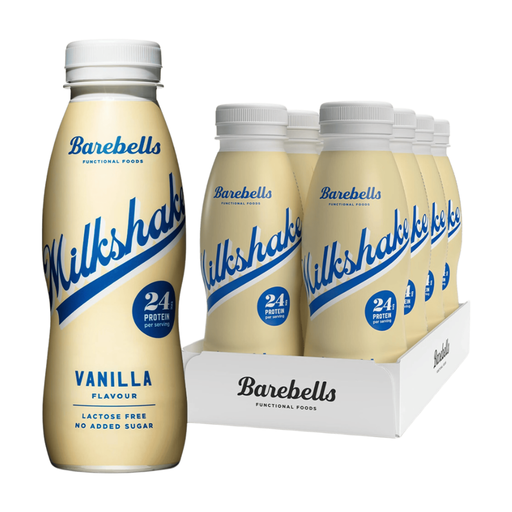 Image unavailable
If you’re comparing single-serve dairy drinks, this vanilla milkshake is a different product category from drinking yoghurt.
The pack contains eight 330 ml bottles. Before choosing it for breakfast, check the packaging for protein per serving, sugars, ingredients and instructions for use after opening.
A drinking yoghurt can count as the dairy part of breakfast, but it won’t automatically replace the other foods in the meal. For children, Manger Bouger suggests pairing it with foods such as wholemeal or cereal bread and fresh fruit or unsweetened fruit compote, in amounts suited to their age and appetite.
Follow the instructions for the exact product. Yoplait says its small 100 g, 180 g and 250 g Yop bottles can be kept out of the fridge for up to 8 hours, but should be thrown away after that; its larger bottles should be kept chilled. For other chilled products, Anses recommends maintaining the cold chain, particularly during transport.
Follow the temperature and after-opening instructions on the bottle. For its 850 g vanilla bottle, Auchan specifies storage between 0 °C and +6 °C before opening and says to consume it soon afterwards. Anses also recommends monitoring your fridge temperature and observing the use-by date.
No, these terms don’t mean the same thing. The HiPRO blueberry speciality, which is described as lactose-free, contains milk. If this allergen is a concern for you, always check the ingredients list and allergen information for the specific product.
Not necessarily. Check the product description on each pack. The French decree published on Légifrance covers fermented milk and yoghurt. When choosing between the products featured here, also compare their ingredients and nutritional values rather than assuming that different category names refer to the same recipe.