
Livraison le jour même ou le lendemain

Qualité garantie

Débloquez vos offres de bienvenue: Livraison GRATUITE | Jusqu'à -80 % | 30 jours d'essai gratuits à JoyPlus
Téléchargez l'application
Changing your drinking glasses seems simple enough… until you have to weigh up capacities, materials, shapes and care instructions. A glass that’s perfect for a cocktail won’t necessarily suit an espresso, while a model designed for wine may lack stability for everyday use.
To avoid disappointing purchases, focus on three things: how you’ll actually use them, the material, and how easy they are to look after. Here are the criteria to consider before choosing a set for your home, a professional establishment or dinner parties with friends.
The stated capacity usually refers to the maximum volume of the glass, not the amount you’re advised to pour into it. A 60 cl wine glass leaves plenty of room for the wine and the development of aromas, but it’s obviously not meant to be filled to the brim. Meanwhile, a 30 cl tumbler works well for spirits served with ice, juices and short cocktails, but is less suited to very generous long drinks.
Terms like “crystal”, “thermal glass” or “high resistance” don’t always mean the same thing. To choose a lead-free crystal glass, check the exact material stated on the product page. Lead-free clear crystal generally offers a brilliant appearance and a denser feel in the hand, while borosilicate glass is particularly common in double-walled models intended for hot or cold drinks.
Even a dishwasher-safe glass remains vulnerable to knocks, scratches and poor positioning in the basket. Double-walled or mouth-blown models also require some care. Avoid pouring a boiling-hot drink into a cold glass, and regularly check the rims for any chips or cracks.
Shape matters just as much as volume. A stemmed glass of 34 to 37 cl is versatile and offers a more elegant presentation. A large 60 cl bowl is better suited to red wine, water or cocktails served with plenty of ice.
Borosilicate glass is used in many thermal glasses and double-walled models. This construction reduces condensation on the outside and helps the drink stay at its temperature for longer, depending on the manufacturer’s design. However, it doesn’t make the glass unbreakable.
Double-walled glasses require special attention: never put them in the oven, on a direct heat source or in the microwave unless the product page explicitly allows it. For lead-free crystal glasses, hand washing can help preserve the clarity and finish, even when the dishwasher is permitted.
A set of 2 glasses is suitable for a couple, for tasting or for gradually replacing existing ones. A set of 6 glasses is more practical for a family, a dinner party with friends, or use in cafés and restaurants. In a professional setting, also check the availability of replacement pieces and compatibility with your washing cycle.
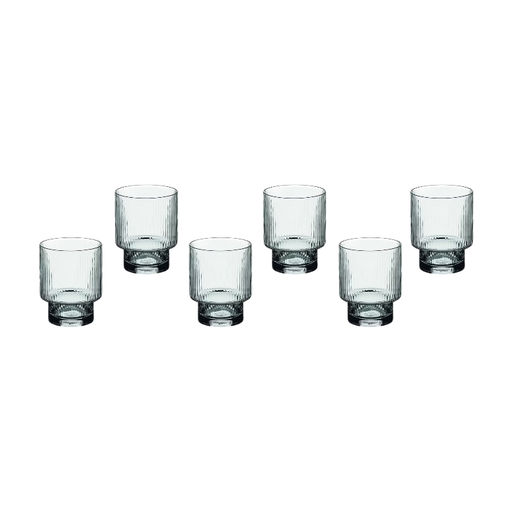
Why this choice suits this profile: This set of six 30 cl tumblers covers everyday uses: water, juice, whisky with ice and short cocktails.
Its clearly stated capacity stops you ending up with a glass that’s too small or disproportionate for everyday drinks.
A lead-free crystalline glass, a set of six pieces and dishwasher-safe as stated by the manufacturer.
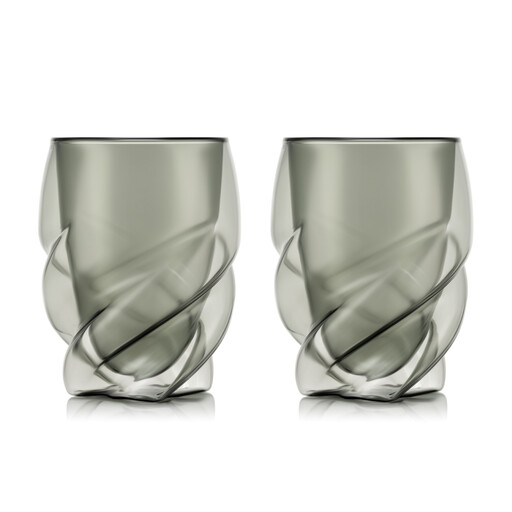
Why this choice suits this profile: This set of two mouth-blown glasses is equally suited to enjoying a coffee or tea as it is to serving cocktails and cold drinks, with a particularly refined presentation.
The product page details the material, the double wall, the capacity and the precautions to take with temperature changes.
Borosilicate, a double wall, a transparent grey finish and stated dishwasher compatibility.
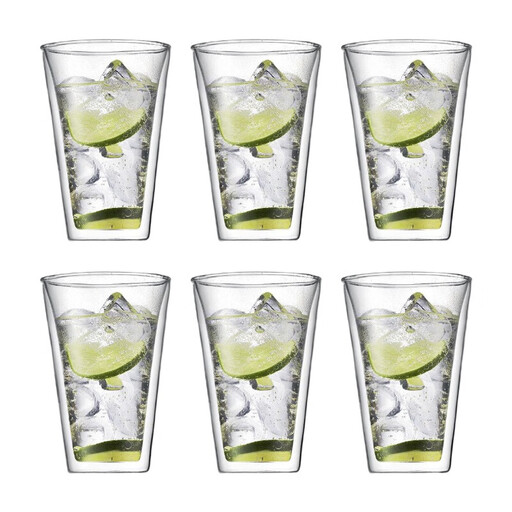
Why this choice suits this profile: With their generous capacity, these glasses are ideal for families, parties and cafés or restaurants serving drinks, desserts and cold preparations.
The 400 ml volume is clearly stated and the product page reminds you of the usage limits relating to knocks, heat and the silicone valve.
Mouth-blown borosilicate, a double wall, a pressure-balancing valve and stated dishwasher-safe.
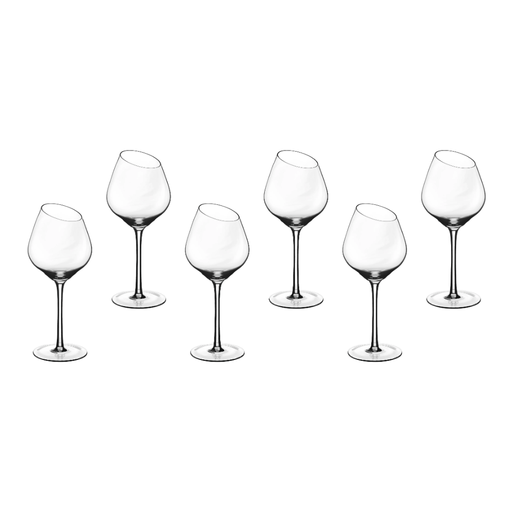
Why this choice suits this profile: This set of six 37 cl stemmed glasses works for wine, cocktails and water, both every day and when entertaining guests.
The stem and capacity are clearly detailed. That makes it easy to tell a versatile table glass apart from a model designed for one specific drink.
Lead-free clear crystal, a SVÄVA design and dishwasher-safe according to the product information.
We’ve put together a comprehensive, real-time updated selection of products that meet these exacting criteria and European safety standards.
To keep your glasses in good condition, rinse them after serving highly coloured or sugary drinks. In the dishwasher, space the pieces far enough apart to stop them knocking together. Double-walled models and mouth-blown glasses can also be washed by hand with a soft sponge, even if the manufacturer allows the dishwasher.
Lifespan depends mainly on knocks, temperature changes and frequency of use. Replace any glass that is cracked, chipped or warped straight away. In a café or restaurant, regular inspection helps minimise the risks associated with breakage.
Borosilicate is very common in thermal glasses and double-walled models. It’s suitable for coffee, tea and iced drinks, as long as you follow the manufacturer’s instructions and avoid sudden temperature changes.
Some models are stated as dishwasher-safe, while others require hand washing. Always check the product page. Even in the dishwasher, glasses remain exposed to knocks between pieces and damage from poor positioning in the basket.
For a household or regular use, a set of 6 glasses provides a solid foundation. A set of 2 pieces can complement an existing set or meet a specific need, such as tasting whisky, coffee or a cocktail.