
Livraison le jour même ou le lendemain

Qualité garantie

Débloquez vos offres de bienvenue: Livraison GRATUITE | Jusqu'à -80 % | 30 jours d'essai gratuits à JoyPlus
Téléchargez l'application
Choosing drinking glasses isn't just about comparing shapes or colours. Between the stated capacities, materials and promises of durability, certain details can turn an appealing purchase into a wasted expense. A glass that's too thin will quickly become fragile, a poorly sized model will end up at the back of the cupboard, and an incomplete set may force you to buy extra pieces later on.
Here are the main pitfalls to avoid and the criteria to examine before choosing a set of glasses for the kitchen, everyday meals or special occasions.
A 40 or 60 cl glass isn't necessarily suitable for every drink. A large container can work well for water, cocktails or drinks served with ice, but it will look disproportionate for wine at the dinner table. For wine glasses, a capacity of 25 to 40 cl often offers a good compromise, provided you don't fill the glass to the brim.
For champagne, formats around 26 cl allow you to serve a reasonable quantity while keeping an elegant silhouette. Smaller containers, such as those of 80 ml, are better suited to espresso, tastings or small portions.
Terms like "crystal", "reinforced glass" or "thermal shock resistant" should be read carefully. A lead-free crystal glass can offer beautiful transparency, but it remains breakable if dropped or knocked. Meanwhile, borosilicate glass generally handles temperature variations better than ordinary glass, without being designed for sudden thermal changes.
The product page should specify the composition, capacity and usage precautions. If this information is missing, it's best to be cautious.
The mention dishwasher-safe glasses makes daily life easier, but not all cycles are the same. High temperatures, impacts between pieces and harsh detergents can dull the surface or weaken the rims. Also remember to check the available height in your dishwasher baskets and the storage space in your cupboards.
Shape also matters. A stemmed glass offers a more traditional presentation, while a low tumbler provides better stability. For outdoor meals or lively evenings, a wide base and a lower profile reduce the risk of tipping over.
A 6-piece glass set suits a family or a table that regularly hosts guests. It gives you a matching set without having to buy multiple items. Two-piece sets are better suited to a couple, a gift or an occasional need.
Before ordering, check the exact contents of the package: some offers are for a single piece, while others include two, four or six glasses.
Classic clear glass is versatile and easy to replace. Lead-free crystal offers a brilliant appearance and a more refined feel, depending on the manufacturer's design. Borosilicate, particularly used for double-walled glasses, is suitable for many uses, but you should avoid pouring boiling liquid into a cold glass.
In all cases, inspect each piece before using it. A chip, crack or damaged rim could cause a cut. Do not use a glass for hot drinks if the product page doesn't allow it, and never put in the microwave or oven a model that isn't designed for it.
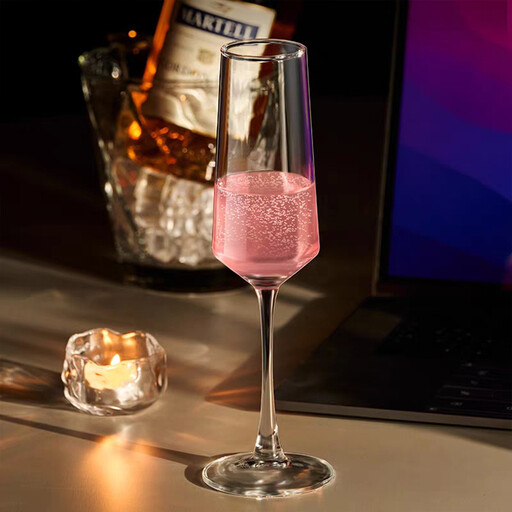
Why this choice suits this profile: this small set lets you start a wine glass collection or add to a table for an occasional event, without buying six pieces.
The 175 ml capacity is clearly stated and the two-piece pack reduces the risk of buying a set that's too large for occasional use.
Compact format and transparent presentation, suitable for celebrations, meals for two and small gatherings.
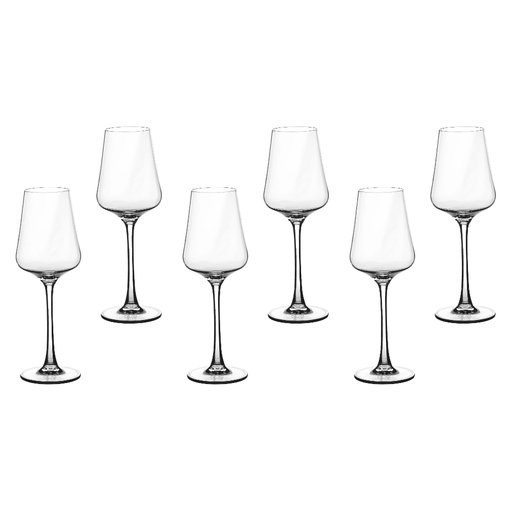
Why this choice suits this profile: this set combines a stemmed silhouette with lead-free crystal glass, for setting a harmonious table at home or in a hospitality setting.
The product page specifies the number of pieces, the 34 cl capacity, dimensions and dishwasher compatibility: all the essential information can be checked before purchase.
Lead-free crystal, 34 cl per glass, packaging with individual protections and dishwasher-safe care.
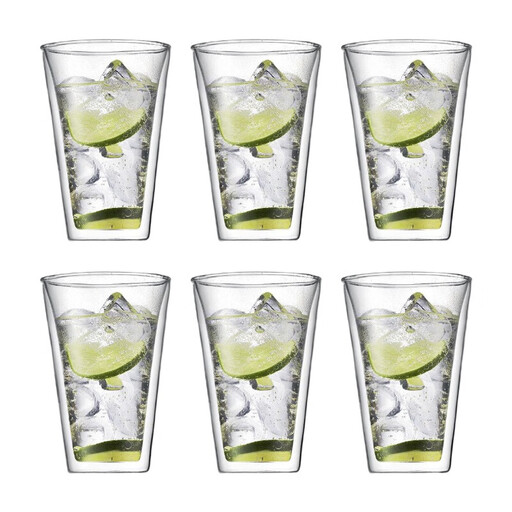
Why this choice suits this profile: this borosilicate model is ideal for households that regularly serve hot or cold drinks, desserts and cocktails.
The product page details the double-walled design, silicone valve and precautions regarding thermal differences; the material doesn't exempt you from following usage instructions.
400 ml per piece, mouth-blown borosilicate, reduced external condensation and dishwasher-safe.
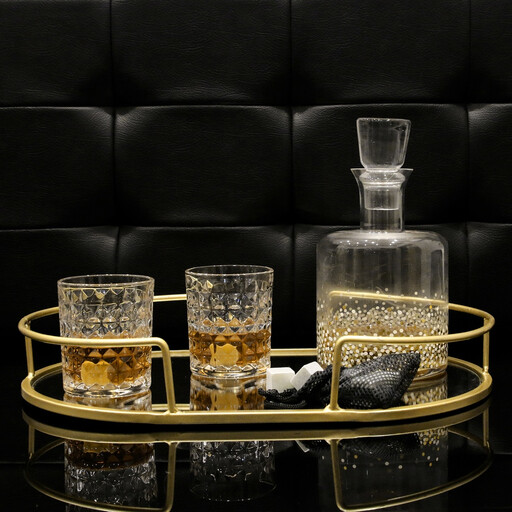
Why this choice suits this profile: its weighted base and tumbler shape are ideal for whisky lovers who enjoy it neat, with ice or in a short cocktail.
The description states the material, weighted base, recommended hand washing and that they are not suitable for oven or microwave use.
4 matching glasses, clear soda-lime glass, stable base and gift box mentioned on the product page.
We've put together a comprehensive, real-time updated list of products that meet these strict selection criteria and European safety regulations.
The lifespan of a glass depends mainly on how often it's used, impacts and washing. To minimise wear:
A chipped glass should be removed from the set, even if the defect seems superficial.
A six-piece set is generally suitable for a household that regularly hosts guests or wants a matching set. For two-person use, a two-piece set may be enough, with a few extra glasses dedicated to wine or champagne.
Some models, like the Bodum references shown here, are advertised as dishwasher-safe. However, you should follow the recommendations on the product page, rinse the valve area when present and avoid thermal shocks.
A tumbler has a solid base and is generally shorter in height. It's suitable for water, juices, short cocktails and spirits. A stemmed glass keeps your hand away from the container and offers a presentation better suited to wine or sparkling drinks. The choice therefore depends as much on the style of service as on the drink being served.