
Livraison le jour même ou le lendemain

Qualité garantie

Débloquez vos offres de bienvenue: Livraison GRATUITE | Jusqu'à -80 % | 30 jours d'essai gratuits à JoyPlus
Téléchargez l'application
Choosing drinking glasses isn’t just about comparing their shape or colour. Between wine glasses that are too fragile, models marketed as “thermal” without clear explanation, and sets that aren’t really dishwasher-safe, some purchases can quickly lead to disappointment.
To avoid unpleasant surprises, three common mistakes keep cropping up:
Here are the criteria to consider before choosing a set of 2 or 6 glasses, whether for everyday use, a dinner party with friends, or a professional setting.
The capacity should match the amount you actually serve, not just the maximum volume stated.
Shape also plays a role. Stemmed wine glasses offer a more elegant presentation and prevent your hand from warming the contents directly. Low tumblers are better suited to everyday drinks and spirits. For coffee, coffee glasses with a handle provide a reassuring grip, while handleless models show off the different layers of a latte to better effect.
Lead-free crystal glasses generally combine high transparency, visual finesse and a more refined feel in the hand. The BJÖRN models shown here are described as being made from clear, lead-free crystalline glass. They are particularly suitable for wine, cocktails and table service.
Borosilicate glass is often the choice for thermal glasses and double-walled models. Its composition allows it to withstand temperature changes better than some ordinary glasses. However, this doesn’t mean you can ignore the manufacturer’s instructions: avoid pouring a boiling drink into a cold glass, or placing a hot glass on a cold, damp surface.
The double wall creates an insulating layer between the two surfaces. It can help keep your drink at the right temperature for longer and reduce condensation on the outside. That said, it doesn’t replace proper storage methods for very hot or very cold drinks.
A model described as dishwasher-safe makes cleaning much easier, especially in a large family, café or restaurant. Still, always check the product details: some manufacturers recommend hand washing to preserve the glass’s clarity or finish over time.
Inspect your glasses before each use. A chip or crack can lead to breakage during handling. Also, avoid stacking double-walled glasses unless the manufacturer says it’s okay. For models with a silicone valve, like some BODUM CANTEEN glasses, the bottom part needs extra care when rinsing.
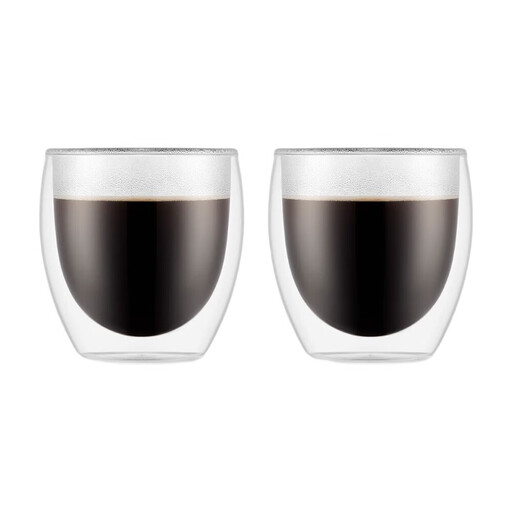
Why this choice suits this profile: This pack of two glasses lets you start with a versatile 250 ml size, suitable for coffee, tea, cocktails and cold drinks, without investing in a large set straight away.
The product page mentions the double wall and recommends avoiding sudden temperature changes, so the user understands that insulation doesn’t mean the glass is free from precautions.
Two pieces, 250 ml per glass, double-walled borosilicate and dishwasher-safe according to the product page.
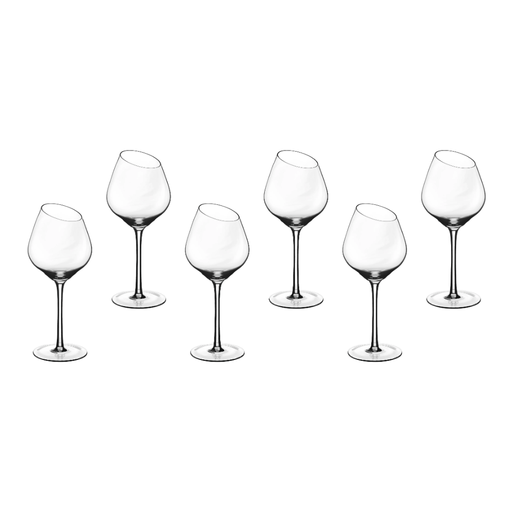
Why this choice suits this profile: This set of six 37 cl stemmed glasses is designed for those who want a harmonious table setting for wine, water or cocktails.
The capacity, dimensions and material are clearly stated, so your choice is based on concrete facts, not just the glass’s appearance.
Lead-free clear crystal, six pieces, 37 cl, 26 cm height and dishwasher-safe according to the description.
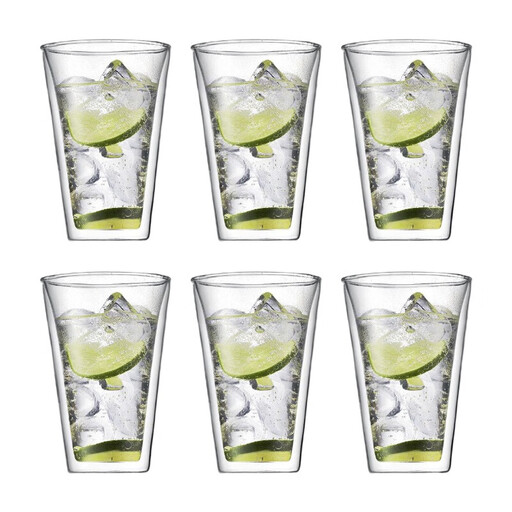
Why this choice suits this profile: This pack of six 400 ml glasses meets the needs of a household that entertains regularly, an office kitchen, or an establishment serving drinks, desserts and generous portions.
The description specifies the capacity, double wall and presence of a pressure compensation valve – all factors to consider for cleaning and storage.
Six glasses, 400 ml each, mouth-blown borosilicate, double wall and dishwasher-safe as stated by the manufacturer.
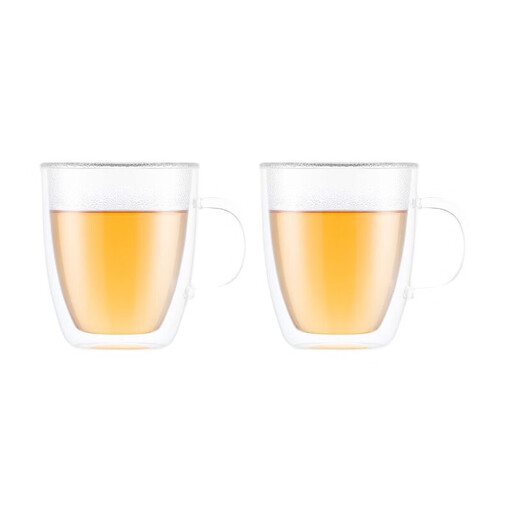
Why this choice suits this profile: With their handle and 450 ml capacity, these two glasses are ideal for large coffees, teas, milky drinks, smoothies and desserts served at home.
The product page distinguishes the double wall from thermal resistance and reminds you to avoid sudden temperature changes.
Two pieces, 450 ml, integrated handle, mouth-blown borosilicate and stated compatibility with dishwasher, oven and microwave.
We’ve put together a comprehensive, real-time updated list of products that meet these strict selection criteria as well as European safety regulations.
They are designed to improve insulation between the drink and the outer surface. This makes them more comfortable to hold and reduces condensation. However, you must follow the manufacturer’s instructions and avoid thermal shock, even with heat-resistant glasses.
For an espresso, an 80 ml size works well. For a short coffee or a cappuccino, a capacity of 250 to 270 ml offers more flexibility. Large lattes and frothy drinks are better suited to 350 to 450 ml. A handle can be useful if the glass needs to be handled when it contains a hot drink.
It all depends on how often they’re used, knocks, stacking and the wash cycle. A dishwasher-safe glass isn’t immune to breakage. To preserve its clarity, space the glasses out in the basket, avoid abrasive products and regularly check for chips or cracks.