
Livraison le jour même ou le lendemain

Qualité garantie

Débloquez vos offres de bienvenue: Livraison GRATUITE | Jusqu'à -80 % | 30 jours d'essai gratuits à JoyPlus
Téléchargez l'application
Choosing new drinking glasses might seem trivial, yet the tableware aisle is a maze where marketing promises often hide unpleasant surprises. An alluring design can conceal a surprising fragility, and the word “durable” is no guarantee of a long lifespan. To help you see things more clearly, our editorial team has broken down the pitfalls to avoid and the essential criteria to check before updating your glassware.
Our goal: to guide you toward a choice that truly fits your daily life, whether you need a simple water glass or a more sophisticated cocktail glass.
Here are the pitfalls to avoid:
To avoid falling into these traps, focus on a few key characteristics that determine a glass's quality and suitability for your needs.
The type of glass is the first indicator of its robustness and intended purpose.
The structure of the glass directly impacts your user experience.
Shape is not just a matter of aesthetics. A straight, wide glass tumbler is perfect for water or juice. A tulip-shaped glass concentrates the aromas of a wine. A tall, narrow glass (like a highball) is best for long cocktails. Think about the primary use before choosing the shape and capacity. A well-curated set of glasses will often offer different shapes to suit every moment of the day.
To illustrate these criteria, here is a selection of glasses tailored to specific needs.
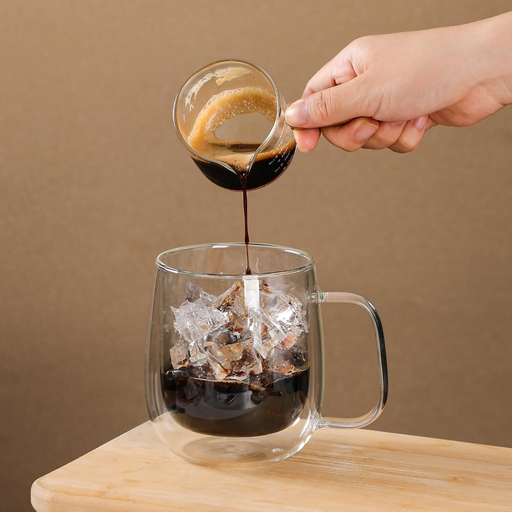
Why it's a great choice: Perfect for enjoying a large coffee, tea, or hot chocolate. The double wall retains heat without burning your fingers, and the handle ensures a comfortable and secure grip.
This model avoids the false-versatility trap. Specifically designed for hot drinks, its insulation technology prevents thermal shock and burns, where a conventional glass would fall short.
Perfect thermal insulation: keeps hot (and cold) drinks at temperature for longer. Secure grip: the outer wall stays cool, and the handle provides excellent handling.
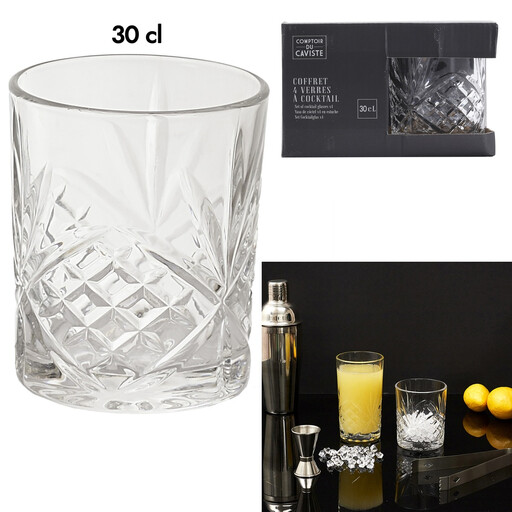
Why it's a great choice: This set of four contemporary glasses is perfect for serving cocktails, mocktails, or fruit juices at your gatherings. Their clean shape and generous capacity make them as versatile as they are elegant.
This model avoids the pitfall of overly fragile design. The manufacturer highlights a reinforced soda-lime glass, engineered for better durability and increased shock resistance—a real plus for frequent, festive use.
Versatile design: suitable for a wide variety of drinks. Reinforced material: superior robustness compared to a standard designer glass.
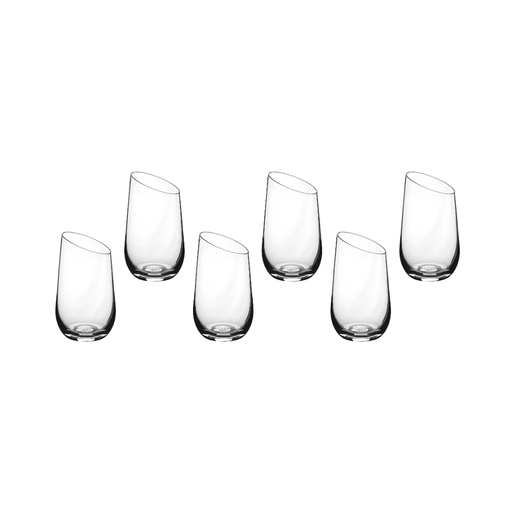
Why it's a great choice: This set is built for heavy daily use. The six-piece set, dishwasher-safe compatibility, and tumbler design make it a practical and robust choice for family meals.
It sidesteps the tedious-maintenance trap. Its lead-free crystalline construction is clearly marked as dishwasher-safe, ensuring effortless cleaning and lasting brilliance.
Practical set: a 6-piece set to equip the whole table. Simplified care: dishwasher-safe for hassle-free daily use.
Explore our full selection of products that meet our quality criteria and current safety standards.
As a general rule, a heat-resistant glass made of borosilicate glass is microwave-safe. This material is designed to withstand significant temperature changes. However, it is imperative to always check the manufacturer's recommendations. On the other hand, classic soda-lime glasses, even thick ones, should never be placed in a microwave: the thermal shock could cause them to shatter.
This cloudy film that dulls glasses is often caused by very hard water (limescale) or glass corrosion. To prevent it: