To enjoy with jam on toast, choose sachets if you want a pre-measured amount of powder for your drink, or a compact tin if you prefer to measure it out with a spoon. Then compare the sugars per 100 g and the ingredients of the product you’re considering. A powder presented for making a drink shouldn’t be recommended as a toast topping unless the packaging indicates that it’s suitable for this use.
Who are these formats for?
Parents who want the same serving every time
If you want to make a chocolate drink for breakfast without having to guess the amount, sachets give you a pre-measured portion of powder. Carrefour lists Nestlé sachets weighing 13.5 g, for example; with a tin, you need to measure the powder each time you make a drink.
Households keeping an eye on sugar in their powder
If you’re already having jam on your toast, the “of which sugars” figure per 100 g can help you compare powders. The DGCCRF uses this as a basis for comparing nutritional information. Auchan also lists unsweetened 100% cocoa, which lets you choose whether or not to add sugar when preparing it.
Shoppers looking for a small tin
A compact pack doesn’t necessarily come in individual portions. Carrefour lists 250 g tins of Nesquik and Poulain Grand Arôme for anyone who prefers measuring with a spoon rather than using a sachet.
What should you look for?
If you’re having jam on toast, start by deciding how you want to measure out your chocolate drink, then check the recipe and the uses listed on the packaging.
| What to consider |
What to check |
Who is it for? |
| Portioning |
Sachets or a tin; the weight of each sachet and the preparation instructions. |
When I make a drink to go with my toast, I want the same amount of powder every time without measuring it out; around 36% of consumers would prioritise this repeatable portion size. |
| Sugars and ingredients |
The “of which sugars” figure per 100 g, the ingredients list and the amount used. |
With jam on my toast, I want to know how much sugar is in the powder before making my drink; around 36% of consumers would put keeping sugar in check first. |
| Recipe and intended use |
The product description, ingredients, allergens and uses listed for the specific product. |
If I’m looking for a chocolate flavour to enjoy with this meal, I want to tell the difference between a drinking powder and a product intended for bread; around 28% of consumers would prioritise the recipe and intended use. |
Common mix-ups to avoid
-
Confusing a small tin with an individual portion
A 250 g tin takes up less space than a larger pack, but it doesn’t determine how much powder goes into each drink. A sachet contains a pre-measured amount.
Choose a tin if you want to adjust the amount with a spoon. If having the same amount each time is your priority, check the weight of each sachet.
-
Judging sugar content by the brand name alone
A sweetened chocolate powder, a recipe containing cereals and unsweetened 100% cocoa can’t be compared by name alone. Nutritional values vary from one product to another.
Compare the “of which sugars” figure per 100 g and the ingredients of the products you’re considering, then take into account how much powder you use.
-
Assuming the Nutri-Score is compulsory
According to the DGCCRF, displaying the Nutri-Score is voluntary in France. Whether or not it appears on the packaging, you still need to check the nutritional information and ingredients.
If it’s shown on the packaging, consider it alongside the other information for that product. Don’t rely on it alone to decide whether the product is right for your needs.
-
Assuming a powder can be used as a toast topping
The products featured are presented as suitable for making drinks and, in the case of some cocoa powders, desserts. This doesn’t mean they’re intended to be spread directly on bread with jam.
Follow the uses listed on the packaging. For toast toppings, choose a product whose label says it’s suitable for this use.
Brands to know
Nesquik
Carrefour lists Nesquik powder in a 250 g tin, as well as a 350 g “Less Sugar” version.
- The 250 g tin is a good option if you’re looking for a compact pack.
- The “Less Sugar” name doesn’t replace checking the nutritional information for the specific version you choose.
Poulain
Carrefour lists Grand Arôme in a 250 g tin; Auchan also offers an organic version with 34% cocoa in a 350 g pack.
- Grand Arôme is available in the compact format you’re looking for.
- The 66 g of sugars per 100 g listed by Auchan applies to the organic version, not Grand Arôme.
Banania
The Original recipe combines cocoa, cereals, banana and honey. Carrefour lists this powder in a 400 g tin.
- Its ingredients make it easy to distinguish from pure cocoa when you’re choosing a flavour.
- Banania lists 69 g of sugars per 100 g for Original, which also contains wheat/gluten. If allergens are a concern in your household, check the information for the specific product you buy.
Auchan
Auchan lists 250 g of unsweetened 100% pure cocoa, as well as an intense chocolate powder with 32% cocoa in a 500 g pack.
- With the 250 g unsweetened cocoa, you can decide separately whether to add sugar to your drink.
- The intense powder has a different recipe: its product information lists sugar and possible traces of allergens. Don’t assume these details apply to the 100% cocoa.
Carrefour Classic'
Carrefour lists Classic' chocolate powders in 400 g and 800 g tins.
- These two sizes let you choose according to the space you have and how often you’ll use the powder.
- To compare sugars or ingredients, check the nutritional information on the specific tin you’re considering.
Drinking chocolate powders on Joybuy
These products are for making a chocolate drink to enjoy with toast and jam: two come in sachets or sticks, while the 300 g Nesquik Original comes in a tin that you can measure from. Their presentation doesn’t indicate that they’re intended to be used directly on toast.
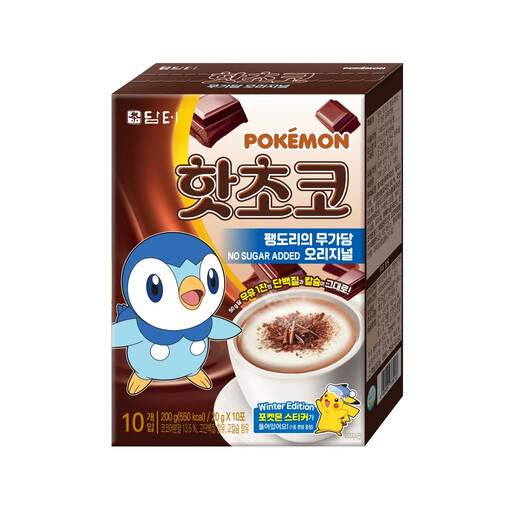 Image unavailable
DAMTUH Hot Chocolate Sugar Free Pokémon, 10 x 20 g sachets
The sachets make it easy to prepare a drink with a pre-measured amount of powder. If sugar or allergens are important to your choice, check the packaging against the ingredients list before opting for this version; its name alone doesn’t tell you its nutritional make-up. This product is presented as a drink, not as a toast topping.
View on Joybuy
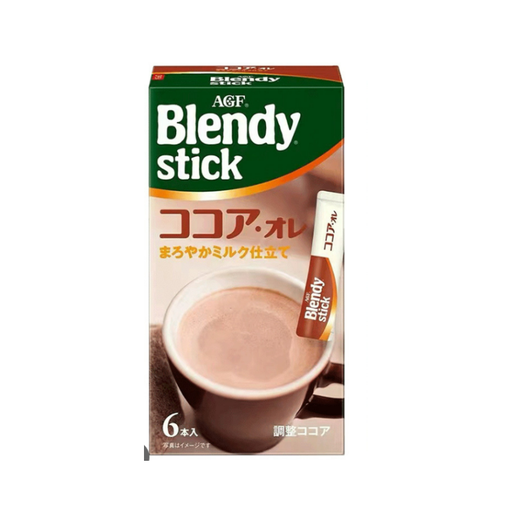 Image unavailable
AGF Blendy Stick Cocoa with milk, 6 sticks (66 g)
The stick format is a good choice if you want the same amount of powder each time without using a spoon. To compare this drink with other powders you’re having with your meal, check the sugars per 100 g on the packaging. Also check the information about milk and soya if relevant to you. The sticks are intended for making a drink.
View on Joybuy
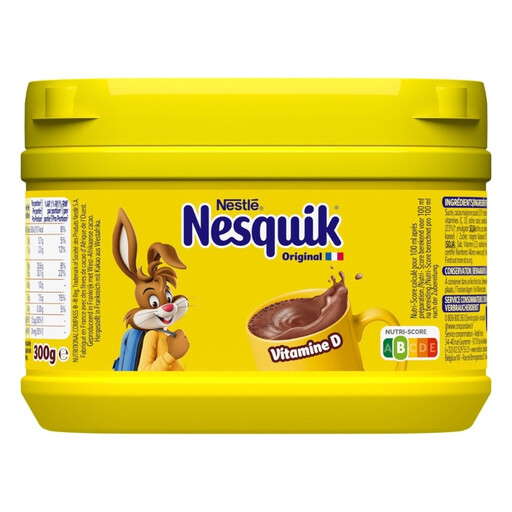 Image unavailable
Nesquik Original drinking chocolate powder, 300 g
This tin is a good choice if you prefer to measure the powder into your milk with a spoon rather than use a stick. The amount in each serving depends on how much you use, so compare the sugars per 100 g for this version if you’re having jam with your meal too. It’s intended for making a drink, not for spreading on toast.
View on Joybuy
Frequently asked questions
Is the Nutri-Score compulsory on drinking chocolate powder in France?
No. According to the DGCCRF, displaying the Nutri-Score is voluntary in France. As a general rule, prepacked food must carry a nutrition declaration, which includes the sugars per 100 g and allows you to compare products.
How do you compare sweetened chocolate powder with unsweetened 100% cocoa?
First, check the “of which sugars” figure per 100 g and the ingredients list for each product, then consider how much you use in your drink. Cocoa labelled as unsweetened lets you choose whether or not to add sugar when you prepare it. Don’t assume the nutritional values of a sweetened chocolate powder apply to another product from the same brand.


