For a sale, sticks are a good choice if you want each drink to have a pre-measured serving of powder, with no need to use a spoon. The individual NESQUIK serving covered here contains 13.5 g of powder and, according to Nestlé Professional France, is prepared with 20 cl of milk. A small tin is a better fit if you can measure out each serving and want to tailor the amount you buy to the number of drinks you expect to serve. In either case, compare sugar content on the same basis and check the ingredients of the exact product.
Who are these formats for?
Anyone who wants a pre-measured serving
If you’re making several drinks in a row, a stick saves you from measuring out the powder each time. Still, check the amount of milk or water specified for the product you choose: Nestlé Professional France recommends 20 cl of milk for its 13.5 g individual NESQUIK serving.
Anyone comparing recipes
If sugar content or allergens matter to you, check the nutritional information and ingredient list on the exact pack. Compare the powders per 100 g, rather than comparing powder with a drink that’s already been made up.
Anyone buying for a one-off sale
First, estimate how many drinks you’ll serve. A small tin lets you measure out what you need, while sticks make it easy to hand out individual portions. The pack’s total weight also matters if you want to avoid having too much left over after the event.
Which factors should you compare?
To choose between sticks and a tin, start by considering how many drinks you’ll make and how you’ll serve them. Then check the recipe on the exact pack.
| What matters |
What to check |
Consumers concerned |
| Portions and serving |
Powder weight per stick and the volume of liquid specified for preparation. |
When serving several drinks in a row, I’d rather not measure the powder each time. Having a ready-to-serve portion would be the top priority for around 46 % of consumers. |
| Sugars and ingredients |
Sugars per 100 g of powder and allergens listed on the exact product. |
If the ingredients guide my purchase, I want to be able to compare two powders on the same basis before choosing. Around 27 % of consumers would prioritise checking the recipe. |
| How much to buy |
Net pack weight and the number of drinks you can make using the recommended serving. |
For a one-off event, I don’t want to buy much more powder than I need. The amount to take along would be the main concern for around 27 % of consumers. |
Mistakes to avoid
-
Assuming the ‘soda tax’ applies to all cocoa powder
France’s official tax bulletin covers levies on non-alcoholic drinks containing added sugars or sweeteners. This scope alone is not enough to determine how dry powder sold as a product is treated for tax purposes.
When choosing a powder, check its ingredients; don’t assume its tax status based on its sugar content alone.
-
Thinking it’s unusual if there’s no Nutri-Score
In France, the Ministry of the Economy explains that displaying the Nutri-Score is voluntary. The DGCCRF states that pre-packed foods generally carry a nutrition declaration.
If a pack displays a Nutri-Score, consider it alongside the nutritional information, ingredient list and allergens. Check those details even when no score is shown.
-
Comparing the sugars in powder with those in a prepared drink
A figure per 100 g of powder and one per 100 ml of reconstituted drink don’t describe the same amount of product. The milk and serving size used also affect the drink you serve.
Compare powder with powder, or prepared drinks made with the same serving, type of milk and volume.
-
Choosing a large pack before counting how many drinks you’ll serve
Available formats include individual servings, a 250 g Poulain Grand Arôme tin listed by Carrefour France, and a 1 kg Banania pouch listed by Auchan France. Pack weight alone won’t tell you how much you’ll use at the sale.
Estimate the number of servings and the amount of powder per drink before choosing a pack size.
An opened pack may leave you with powder to store after the event.
Brands to know
These products show the different pack sizes and recipes available; the features of one product don’t necessarily apply to the whole brand.
Nesquik
Nestlé Professional France lists, among other products, a 13.5 g individual NESQUIK serving to be prepared with 20 cl of milk.
- Each stick contains a set amount of powder, so there’s no need to measure it for every drink.
- The product covered here contains soya and may contain milk. It has 75.1 g of sugars per 100 g of powder, so check the recipe of the product you buy.
Poulain
Carrefour France lists Grand Arôme in a 250 g tin: a small pack of powder that you measure out yourself.
- The product listing states that it contains at least 32 % cocoa.
- This isn’t an individual serving; the product covered here may contain milk and soya.
Banania
The Banania recipe listed by Auchan France combines cocoa and cereals in a 1 kg pouch.
- This pack size lets you measure out the powder according to how many drinks you’re making.
- The product covered here isn’t sold in individual portions and contains, among other ingredients, wheat and barley.
Drinking chocolate sticks on Joybuy
These two products, sold in separate sachets or sticks, are designed for making drinks with a set amount of powder per portion. To decide whether they’re right for your sale, also check the recipe and preparation instructions on the pack.
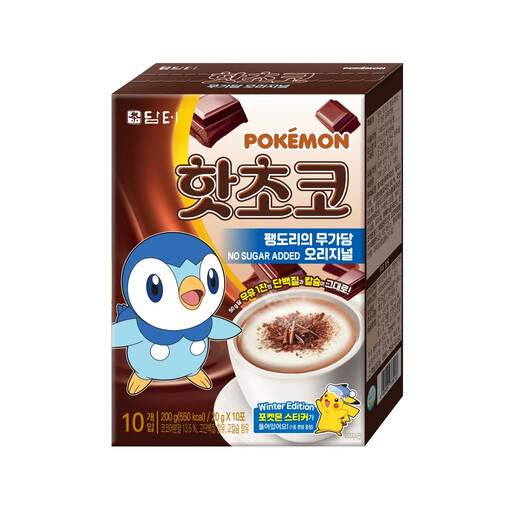 Image unavailable
DAMTUH Pokémon hot chocolate powder, 10 sachets of 20 g
Individual sachets give you a set amount of powder per drink, without having to measure it out of a shared tin.
The pack contains 10 sachets of 20 g. Check the sugars and allergens on the exact pack before comparing this recipe with another.
View on Joybuy
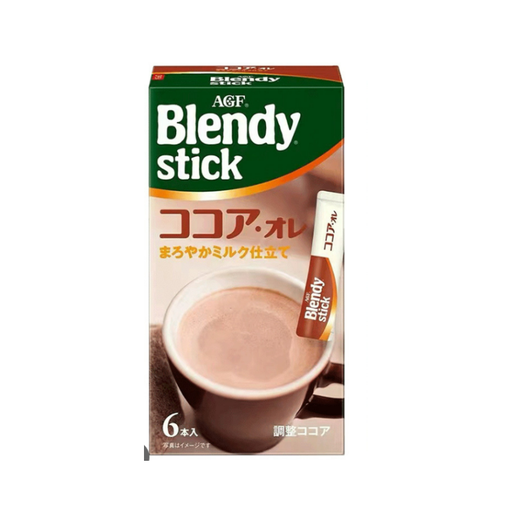 Image unavailable
AGF Blendy Stick Cocoa with milk, 6 sticks of 11 g
Separate sticks are a handy choice if you want to make drinks without measuring out the powder with a spoon.
The listed pack contains 6 sticks, with a total weight of 66 g. Check the exact pack for preparation instructions, sugars and allergens.
View on Joybuy
Frequently asked questions
Is Nutri-Score compulsory on drinking chocolate powder in France?
No. The French Ministry of the Economy says that displaying it remains voluntary in France, while the DGCCRF states that a nutrition declaration is generally required for pre-packed foods. Whether or not a Nutri-Score is shown, check the nutritional information and ingredients of the exact product.
Does the ‘soda tax’ apply to dry drinking chocolate powder?
The sugar content of a powder isn’t enough to answer this question. France’s official tax bulletin describes levies on non-alcoholic drinks containing added sugars or sweeteners. This scope alone isn’t enough to determine how a dry cocoa preparation is treated for tax purposes.
How can you compare the sugars in two drinking chocolate powders?
First, compare the ‘of which sugars’ figure per 100 g of powder on both packs. If you’re comparing the drinks you’ll serve, use the same amount of powder and the same type and volume of milk: a figure for powder can’t be directly compared with one for a reconstituted drink.
Which allergens should you check before serving hot chocolate?
Check the allergens listed on every pack you plan to use. The products covered here differ: the NESQUIK serving listed by Nestlé Professional France contains soya and may contain milk; the Banania recipe listed by Auchan France contains wheat and barley; and the Poulain Grand Arôme tin listed by Carrefour France may contain milk and soya.


