Anyone looking for a caffeine-free evening drink
A lower-sugar recipe doesn’t tell you how much caffeine it contains. The manufacturer’s confirmation should apply to the powder and the exact variant you plan to use.


If you’re looking for a caffeine-free powder for an evening drink at work, choose one whose manufacturer confirms it is caffeine-free or specifies the caffeine content for that exact variant. The claim ‘less sugar’ doesn’t answer this question. For a shared office cupboard, also compare sugars per 100 g, the amount used per serving and allergens; Nutri-Score labelling is optional in France.
A lower-sugar recipe doesn’t tell you how much caffeine it contains. The manufacturer’s confirmation should apply to the powder and the exact variant you plan to use.
Pack size, preparation instructions and allergens all matter when several people use the same tub. Keep the packaging information somewhere everyone can access it.
Nutrition information per 100 g makes it easier to compare powders, but the amount you add to each mug matters too. A Nutri-Score label can provide additional context, but it shouldn’t replace this information.
For an evening drink, first check the caffeine content if a caffeine-free option is essential. Then look at the recipe and how the product can be shared at work.
| What to check | Look for | Who is it for? |
|---|---|---|
| Caffeine-free status | An explicit statement or confirmation from the manufacturer of the caffeine content for the exact variant. | For my evening chocolate drink, I want to know whether the powder really meets my need for a caffeine-free option. This would be the top priority for around 42% of consumers. |
| Sugars and serving size | The sugars per 100 g shown in the nutrition information, followed by the amount of powder used per mug. | If I make up my own mug, I want to choose a recipe with its sugar content in mind. This would come first for around 33% of consumers. |
| Shared office cupboard | The pack size and allergen information on the packaging of the product you’re buying. | When several colleagues use the same tub, I mainly need a practical pack and allergen information that’s easy to check. Sharing would be the priority for around 25% of consumers. |
Sugar content and caffeine content are two separate things. You can’t judge the caffeine content of Banania Original and its lower-sugar variant from their names alone.
If a caffeine-free option is essential, ask the manufacturer to confirm this for the exact product.
According to the French Ministry of the Economy, displaying a Nutri-Score is optional in France. Its absence therefore doesn’t, on its own, tell you anything about a product’s nutritional values.
Check the nutrition information per 100 g, particularly sugars, energy and fat, and then consider the serving size you prepare.
Banania Original contains wheat and barley flours. Other recipes may include warnings about traces of allergens that matter to people using the shared cupboard.
Keep the packaging with the powder, and check the ingredients and allergen information again whenever you switch products.
Banania offers, among other products, an Original drinking chocolate powder and a lower-sugar variant.
Carrefour’s range includes cocoa powder and drinking chocolate products.
The E.Leclerc range includes Equador unsweetened pure cocoa and instant chocolate drinks.
Carrefour’s range includes a Nesquik ‘Moins de Sucres’ product alongside classic drinking chocolate powders.
This drinking chocolate powder comes in individual portions and could be an option for making drinks at work. If you need a caffeine-free option, ask the manufacturer to confirm this for the exact product before choosing it.
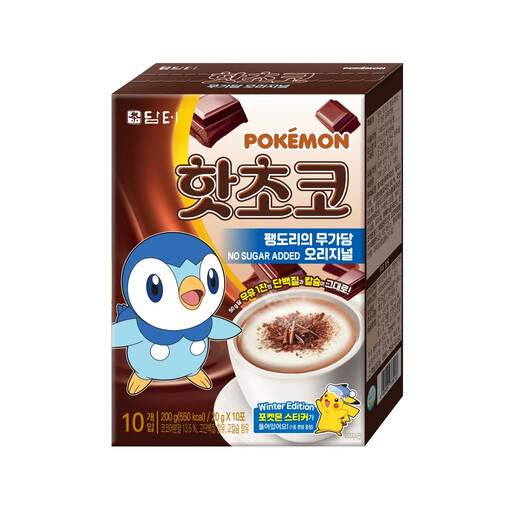 Image unavailable
Individual sachets are handy for making one mug at a time in an office cupboard. Check the allergens on the packaging before sharing the product. If a caffeine-free option is essential, ask the manufacturer to confirm this for the exact product.
No. According to the French Ministry of the Economy, Nutri-Score labelling is optional in France. The DGCCRF states that a nutrition declaration is compulsory for the relevant prepacked foods; compare sugars per 100 g in particular.
No. The claim refers to sugar, not caffeine. If you need a caffeine-free evening drink, look for confirmation from the manufacturer for the exact variant.
Keep the packaging available so everyone can check the ingredients and allergens for the product you’ve bought. The Banania Original product information, for example, lists wheat and barley flours; check the label again if you switch products.