
Livraison le jour même ou le lendemain

Qualité garantie

Débloquez vos offres de bienvenue: Livraison GRATUITE | Jusqu'à -80 % | 30 jours d'essai gratuits à JoyPlus
Téléchargez l'application
Looking for dried and preserved plums for the office, travelling or a break at home ? From tangy Chinese plums and soft dried fruit to sweet-and-savoury snack plums, the differences can be considerable. The weight shown on the packet is not always enough to compare two products.
Before placing your order, check whether the product contains a stone, as well as the amount of added sugar, sweeteners and salt, and the type of packaging. Behind the seemingly simple description fruit snack, you may also find acidity regulators, preservatives, flavourings or colourings.
Dried plums are generally made by removing some of their water. Preserved plums, on the other hand, may be prepared with sugar, salt, fruit juice, acidity regulators or sweeteners.
The difference is immediately noticeable in the mouth : a plain dried plum usually offers a flavour closer to the fruit itself, while a sweet-and-savoury or preserved version will have a more pronounced profile, which may be tangy, salty or particularly long-lasting.
The absence of fat does not mean that a product is low in carbohydrates, sugar or salt. Some products therefore state 0 g of fat per 100 g, while still containing sugar or a significant amount of salt.
For a reliable comparison, start by checking the nutritional table per 100 g, then adjust the values to the portion you actually eat.
The ingredients list may include sweeteners such as E955, E960 or E951, preservatives such as E202, as well as sulphites. The LYFEN California Dried Plums 108g product specifically mentions the presence of phenylalanine linked to the sweetener E951 and states that it is not suitable for people with phenylketonuria.
Products containing E102 or E110 must also display the regulatory warning relating to children’s activity and attention. If the packet is intended for the whole family, take the time to read the label before choosing.
Product descriptions often refer to thick flesh, a tender texture or a firmer chew. These details help you distinguish between soft, enjoyable snacking plums and drier fruit, which is better suited to baking or adding to cereals.
The origin is also worth checking. Some products use plums from California, Chile or green plums, while the country of manufacture may differ from the country where the fruit was grown. To avoid confusion, give priority to the product description and the information shown on the packaging.
For a snack to slip into your bag, eat at the office or take on holiday, pitted plums are clearly more convenient. Individual portions also reduce handling and make it easier to control quantities.
A large packet is more suitable for sharing or regular consumption at home. Once opened, store it in a cool, dry place, seal the packaging carefully and consume the product within the period recommended by the manufacturer.
Dried plums naturally contain sugar, to which white sugar, fructose syrup or sweeteners may be added. Sweet-and-savoury versions and some Asian snacks may also have a high salt content.
If you are looking for a more authentic fruit flavour, check the ingredients list and the actual proportion of plum. Products filled with or flavoured with peach, pineapple or plum juice may offer more variety, but they cannot be compared directly with a plain plum.
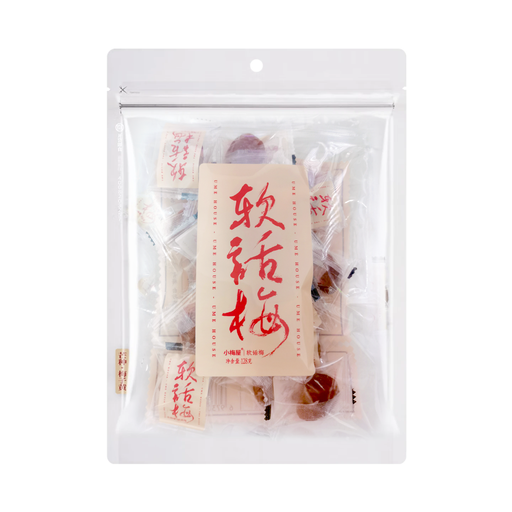
Why this product suits this profile : The individually wrapped portions are easy to transport, simple to share and let you discover a range of Chinese plum flavours every day.
The individual format means you do not have to open a large packet for a quick break. However, the presence of sweeteners and the stated salt content should still be taken into account.
128 g, six advertised flavour profiles, thick flesh and a soft texture.
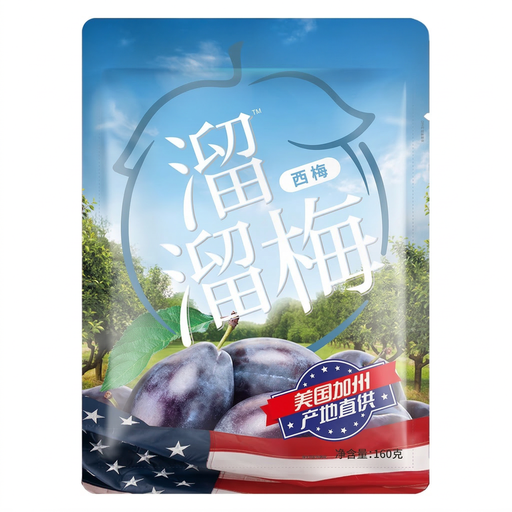
Why this product suits this profile : This product combines Californian plums, plum juice and a meaty texture for a more refined tasting experience.
The stated proportion of plums is 90.6 %. However, the product description mentions sugar, a sweetener, a preservative and a flavouring : check the ingredients list to make sure it suits your preferences.
160 g, added plum juice, an advertised sweet-and-tangy profile, and the option to enjoy them with yoghurt or cereals.
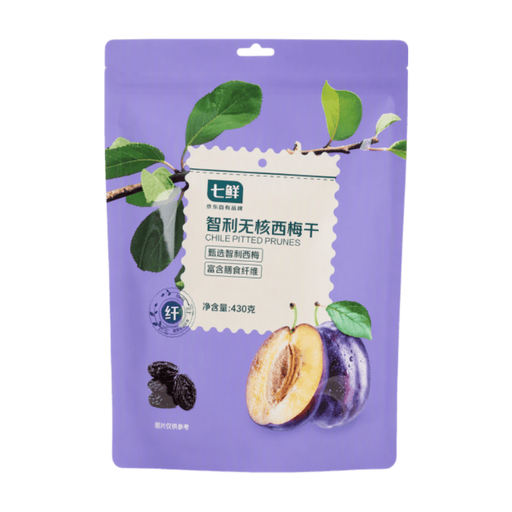
Why this product suits this profile : At 430 g, this packet is suitable for families, storing at home or anyone who eats dried plums regularly.
The large pack means fewer repeat purchases. However, make sure you reseal the packet properly after opening to prevent the fruit from drying out.
430 g, advertised as pitted plums, 0 g of salt, and suitable for enjoying with yoghurt, porridge oats or in baked recipes.
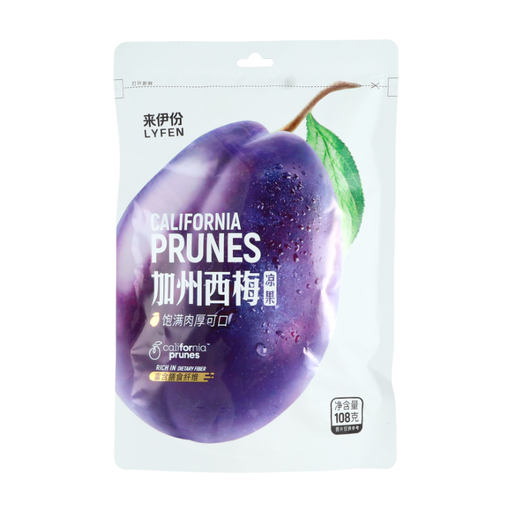
Why this product suits this profile : Its 108 g format and advertised pitted preparation make it easy to take to the office, on public transport or while travelling.
The weight and removal of the stone are clearly stated. However, the presence of E951 and the reference to phenylalanine mean that you should read the label carefully.
108 g, advertised Californian plums, a tender texture and a pitted preparation.
We have brought together a complete, real-time updated selection of products that meet these exacting criteria and European safety regulations.
No. Some products explicitly state that they are pitted, but this should never be taken for granted. Check the product description and packaging before eating them, particularly if they are intended for a child or to be eaten while travelling.
Store the plums in a cool, dry place away from direct light. Seal the packet tightly after each use and follow the manufacturer’s recommendations. Several products advise consuming them soon after opening to preserve their texture and flavour.
A large pack, such as a 430 g packet, is suitable for sharing, recipes and regular consumption. Individual portions are more convenient at the office, when travelling or when you want to keep better track of quantities. To compare the two options objectively, check the price per kilogram while taking the cost of individual packaging into account.