People looking to add more fibre to lunch
If you’re replacing some of your usual pasta, compare the proportion of wholemeal wheat and the fibre listed per 100 g. Manger Bouger recommends choosing wholegrain starchy foods.


If you’re looking to add more fibre to your lunches, wholemeal pasta is a good place to start: Manger Bouger recommends choosing wholegrain starchy foods. Whether your priority is the make-up of your meal, preparation time or avoiding gluten, check the specific product you choose and plan to add ingredients other than pasta to make up your lunch.
If you’re replacing some of your usual pasta, compare the proportion of wholemeal wheat and the fibre listed per 100 g. Manger Bouger recommends choosing wholegrain starchy foods.
A shorter cooking time can make preparation easier, but the time shown depends on the specific product. Think about the vegetables and other ingredients in your meal too, rather than choosing pasta based on speed alone.
These are two different needs: check the protein per 100 g if that’s important to you, or look for a ‘gluten-free’ label and check the allergens on the pack if you need to avoid gluten. Protein-enriched wheat pasta won’t meet this second need.
When comparing dried pasta for lunch, start with the need that matters most to you, then compare the information on the pack using the same basis, particularly the nutritional values per 100 g.
| Criteria | What to check | Who is it for? |
|---|---|---|
| Fibre and ingredients | The proportion of wholemeal semolina in the ingredients and the fibre per 100 g, using the same basis for comparison. | If I’m replacing refined pasta, I want to know how much wholemeal wheat is actually used in the recipe. Around 33% of consumers could make fibre their main priority. |
| Protein and meals | The protein per 100 g, its sources and what you’ll add to the pasta for lunch. | When my meal doesn’t include many other sources of protein, I look at what the pasta provides, without forgetting the other ingredients. Protein could be the main priority for around 27% of consumers. |
| Preparation time | The cooking time for the specific product and the other ingredients needed for the dish. | At lunchtime, I don’t have much time and want a cooking time that fits in with the rest of the meal. Speed could come first for around 20% of consumers. |
| Availability and pack size | The weight of the pack and whether the product is available from your chosen retailer. | I want to be able to find a pack size that suits the meals I prepare. For around 20% of consumers, availability and pack size could be the main consideration. |
Pasta made from wholemeal wheat still contains wheat. The word ‘wholemeal’ describes the ingredient used; it doesn’t mean the pasta is gluten-free.
If you need to avoid gluten, look for an explicit ‘gluten-free’ label and check the ingredients and allergens on the pack you buy.
A wholemeal or protein-enriched recipe doesn’t determine what else is on your plate. You’ll still need to choose your vegetables and other ingredients separately.
Use the pasta as the base of your dish, then add vegetables and, depending on your meal, pulses or another source of protein.
The range lets you distinguish between classic pasta, wholemeal pasta and the Protein+ recipe, rather than assuming all products have the same features.
The wholemeal range and quick-cook products cater to different priorities: ingredients on the one hand, preparation time on the other.
A supermarket own-brand worth considering if you want to compare the ingredients in wholemeal pasta with other products.
Its wholemeal spaghetti provides a specific product to compare in terms of ingredients and nutritional values.
Turini wholemeal penne offers another point of comparison for the fibre and protein content of wholemeal wheat pasta.
These products cover three different ways to prepare lunch at home: choose ‘Integrali’ pasta, cook classic linguine or use rice vermicelli instead of wheat pasta. If you need to avoid gluten completely, check the label and allergens on the packaging of the product you buy.
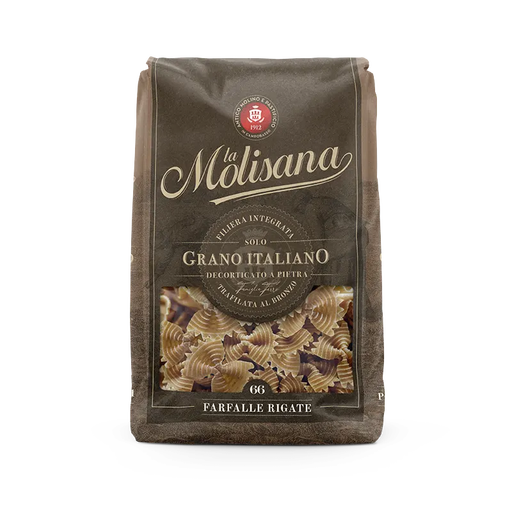 Image unavailable
If you’re looking for Farfalle Integrali for lunch, check the ingredients and fibre per 100 g on the pack so you can compare them with other pasta. Choose the ingredients to serve with the pasta separately.
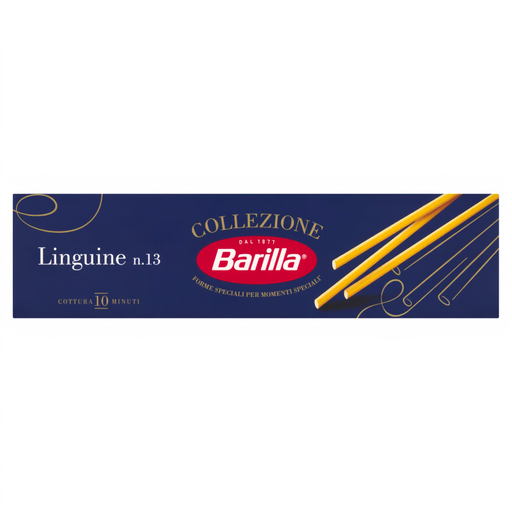 Image unavailable
These linguine are a good choice for a lunch based around classic pasta. If speed matters to you, check the cooking time on the pack and add the other ingredients you’ve planned for your dish.
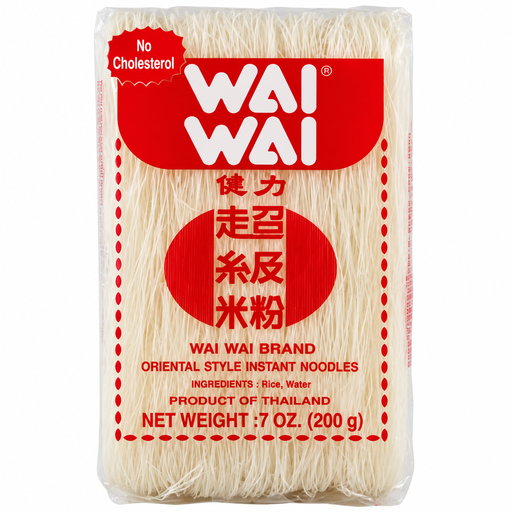 Image unavailable
These rice vermicelli let you prepare a dish that’s different from wheat pasta. If you need to avoid gluten completely, check for a ‘gluten-free’ label and look at the allergen information on the packaging you buy.
No. It’s worth considering if you want to include more wholegrain starchy foods, in line with Manger Bouger’s guidance, but your choice also depends on the recipe and your needs. Pasta containing wheat, even wholemeal wheat, isn’t suitable if you need to avoid gluten.
No. Wheat contains gluten, as the DGCCRF points out. If you need to avoid it, look for a ‘gluten-free’ label and check the ingredients and allergens of the product you buy.
Add vegetables and, depending on what else is in your meal, pulses or another source of protein. Choosing wholemeal or protein-enriched pasta doesn’t replace the need to choose the other ingredients. Panzani also points out that pasta served on its own doesn’t make a main course.
Keep it in a cool, dry place and close the pack securely. For its wholemeal spaghetti, Auchan recommends transferring the pasta to an airtight container if possible. Also check the date shown on the packaging.