
Livraison le jour même ou le lendemain

Qualité garantie

Débloquez vos offres de bienvenue: Livraison GRATUITE | Jusqu'à -80 % | 30 jours d'essai gratuits à JoyPlus
Téléchargez l'application
Dried mango is popular for its soft texture, tropical flavour and convenient, portable format. It slips easily into a bag, lunch box or dried-fruit mix. However, two pouches making similar claims may contain very different ingredients, sugar levels and pack sizes.
Before you reach the checkout, three common pitfalls are worth keeping in mind:
Start by reading the ingredients list, which is presented in descending order by weight. A product containing 70 to 90% mango will obviously have a different profile from a recipe made mainly with sugar or syrup.
For example, Philippine Brand Dried Mango 100 g contains 74.99% mango and 25% sugar. Meanwhile, Jia Jian Cheng Chu Philippine Style Dried Mangoes 70 g contains 90% mango. This information allows you to compare recipes on a factual basis, rather than being guided solely by claims such as “tropical”, “natural” or “traditional”.
If you prefer more pronounced flavours, look for sweet-and-sour dried mango containing citric acid or other acidity regulators. Simply sweetened strips generally offer a milder taste and a softer, more yielding texture.
Sulphur dioxide and sulphites, including additive E223, must appear on the label when they exceed the applicable regulatory thresholds. Several products in this selection contain them. Anyone sensitive to sulphites should therefore check the packaging carefully before consuming the product.
Vegan dried mango can be suitable for a plant-based diet as long as no animal-derived ingredients are used in its recipe. Philippine Brand Dried Mango 100 g is described as suitable for vegetarians and vegans. To find halal or gluten-free dried mango, look for the relevant certification or statement on the product page, then always check the label on the pouch you receive.
Also take care with coated recipes: chocolate-covered dried mango may contain milk, soya or traces of nuts. This makes it more of an indulgent treat than a simple serving of dried fruit.
A 50 to 80 g pouch is ideal for travelling, an office break or a snack box. Pack sizes of 100 to 120 g are more practical for family use, provided the packaging can be properly resealed.
Most products should be stored in a cool, dry place away from light. Once opened, seal the pouch tightly and consume its contents promptly. Some brands recommend refrigerating the product after opening, so the instructions specific to each product remain the best source of information.
For children, choose an age-appropriate texture and supervise consumption. Even when soft, the pieces still need to be chewed. Products containing small elements or supplied in individual packaging should also be used under adult supervision.
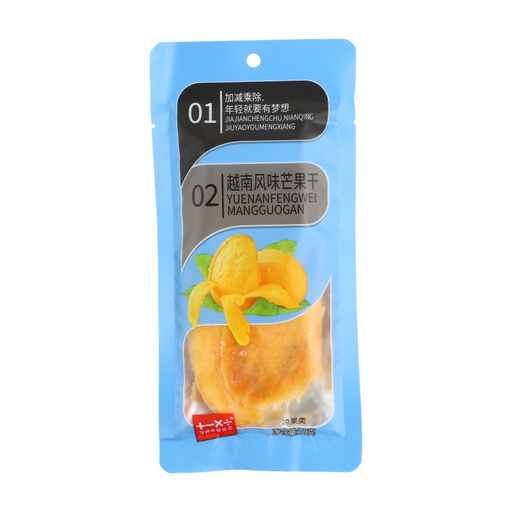
Why this choice suits this profile : At 70 g, this pouch is ideal for trying dried mango for the first time or enjoying a snack on the go. The strips are soft, with a sweet-and-salty, tangy note.
The ingredients list and nutritional values are provided per 100 g, making it easier to compare with other dried fruits.
A 70 g format, 0 g fat per 100 g and clearly stated sulphite content.
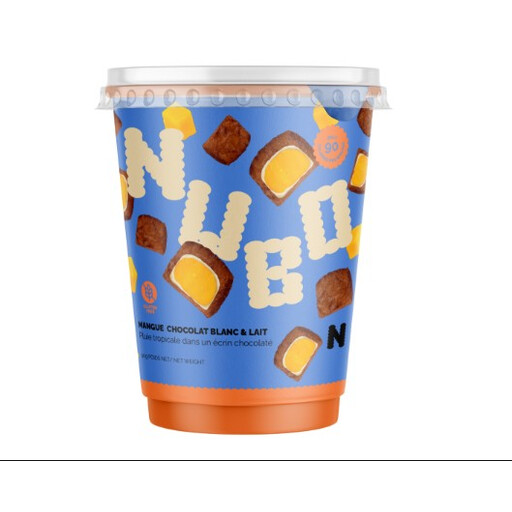
Why this choice suits this profile : The white and milk chocolate coating turns the mango into indulgent bites to serve with coffee or enjoy at a social occasion.
The ingredients are clearly detailed : 45% dried mango, 27% white chocolate and 28% milk chocolate.
A generous 160 g format and a texture combining a soft centre with a chocolate coating.
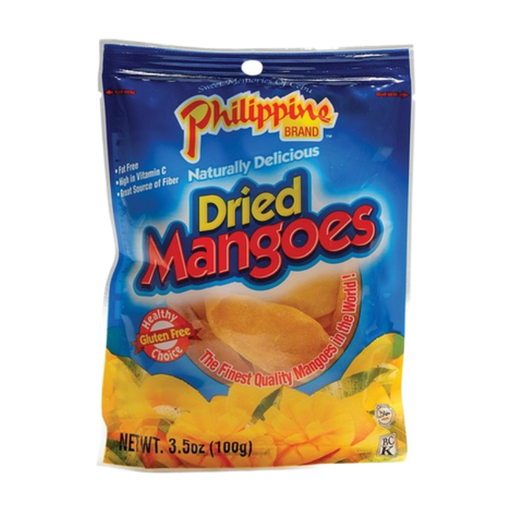
Why this choice suits this profile : Its 100 g format and fruity profile make it a practical companion for exotic snack lovers, whether at the office or on the go.
The product page states that it is vegetarian, vegan, halal and kosher. However, sulphites should still be taken into consideration.
Ready-to-eat slices, 4.75 g of fibre and 0 g fat per 100 g, according to the product page.
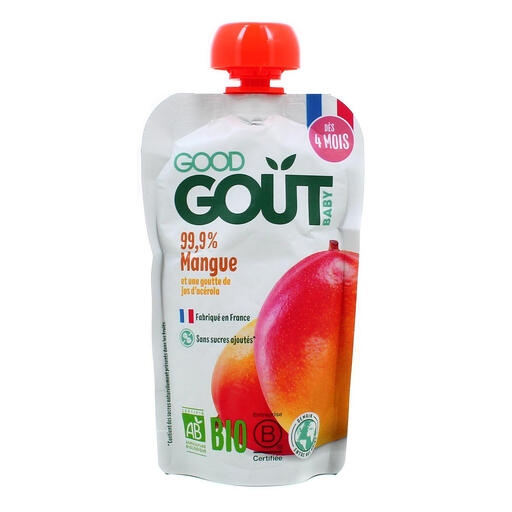
Why this choice suits this profile : This mango purée for babies is suitable from 4 months. Supplied in a 120 g pouch, it is easy to take with you and can be enjoyed both at home and on the go.
This is a purée, not strips to chew. The product page states that it contains 99.9% organic mango, no added sugar and should be refrigerated after opening.
Stated organic certification, made in France and recommended for consumption within 48 hours of opening.
A sensible portion can be added to natural yoghurt, cereal or a nut mix. Sweet-and-sour versions are delicious on their own, while sweeter pieces can be added to a fruit salad or pastry.
For family use, compare the price per 100 g, the percentage of mango and the stated amount of sugar. When you are out and about, an individual pouch reduces handling, but can sometimes create more packaging waste. Chocolate recipes should be stored at the recommended temperature to prevent the coating from developing a white bloom or melting.
We have compiled a complete, real-time updated list of products that fully meet these strict selection criteria and European safety regulations.
It depends on the fruit and the recipe. Drying concentrates the sugars naturally present in mango, and additional sugar, glucose syrup or maltose may also be added. Check the nutritional values per 100 g and the ingredients list rather than relying solely on the word “fruity”.
Store it in a cool, dry place and reseal it after each use. Some products recommend consuming the contents quickly after opening or storing them in the fridge. The instructions printed on the packaging you receive should always take priority.
Dried mango strips should not be confused with purée for infants. For a baby, choose only a product with a clearly stated suitable age, such as the Good Goût pouch from 4 months, and follow the recommendations on its packaging. Introducing solid foods should remain varied and appropriate for the child.