Runners preparing their own portions
For a long run, you’ll want to check the carbohydrate content on the pack, take a pre-measured amount with you and choose food you’ve already tried during training.


To prepare portions to take with you on long runs, choose dried fruit that lists its ingredients and carbohydrate content per 100 g, then check how much you plan to put in each portion. A mix of dried fruit and nuts is better suited to sharing or adding variety. Neither a mix nor a single type of dried fruit replaces fuelling you’ve tried during training.
For a long run, you’ll want to check the carbohydrate content on the pack, take a pre-measured amount with you and choose food you’ve already tried during training.
You may be splitting a pack between several people or meals. The actual number of individual packs, whether the larger pack can be resealed and the storage instructions matter more than pack size alone.
For a snack to share, you’ll need to distinguish dried fruit from mixes that also contain nuts or other ingredients, and read the allergen information for the product you choose.
First, think about whether you need something for a long run or for filling lunchboxes. The same dried fruit may not be the right choice for measuring out a portion and for putting together a mix to share.
| Factor | What to check | Who is it for? |
|---|---|---|
| Carbohydrates and portion size | Compare the carbohydrate content per 100 g with the weight of the portion you plan to take. Try the product during training before taking it on a race. | On a long run, I want to know what my portion contains and whether it suits me. Around 38% of consumers put this need to measure portions and check tolerance first. |
| Packaging | Check how many individual packs are included. For a large pack, check its net weight and resealing instructions. | When filling several lunchboxes, I want portions that are easy to divide up and carry. Around 23% of consumers prioritise this. |
| Ingredients and allergens | Read the ingredients list and allergen information for each product, particularly for a mix. | If I’m sharing dried fruit, I need to be able to identify what each portion contains. This is the main concern for around 23% of consumers. |
| Pack size and storage | Choose an amount that suits how much you’ll use and follow the storage instructions after opening. | I’d rather not leave a pack open for a long time because it’s too large for my needs. Around 16% of consumers prioritise pack size and storage. |
This label can refer to dried fruit, nuts, seeds and mixes. Their different ingredients mean you can’t automatically use them interchangeably when preparing a portion for exercise.
If you want to measure your carbohydrate intake, start with the nutrition information and ingredients for the specific product, then consider what you’ve already tried during training.
A large pack doesn’t necessarily contain individual packs. You’ll need to portion it out yourself and follow the storage instructions after opening.
Check how many packs are included. If it’s a single pack, plan to portion it out before filling lunchboxes or heading out for a run.
A mix may contain several types of nuts or other ingredients that aren’t obvious from its short name. This matters particularly when you’re sharing it.
Before handing it out, read the label for the product you’ve chosen, as well as the label on each separately wrapped item in a mix.
Carrefour’s online range has several categories for dried fruit and mixes.
The E.Leclerc listing for Tablier Blanc raisins describes a 250 g pack.
Auchan offers dried fruit and mixes that include ingredients such as raisins and nuts.
Lidl’s Alesto range includes nuts, dried fruit and savoury snacks.
ALDI lists a 250 g pack of Trader Joe’s raisins.
These products include dried fruit in individual packs or larger packs that you can portion out yourself, as well as a mix to share. For a long run, focus on the ingredients and weight of each portion rather than the number of packs alone.
 Image unavailable
The seven packs are handy for sharing between several people or occasions. The pack contains 175 g in total, so check the weight of the pack you’re taking before calculating the carbohydrates in your portion.
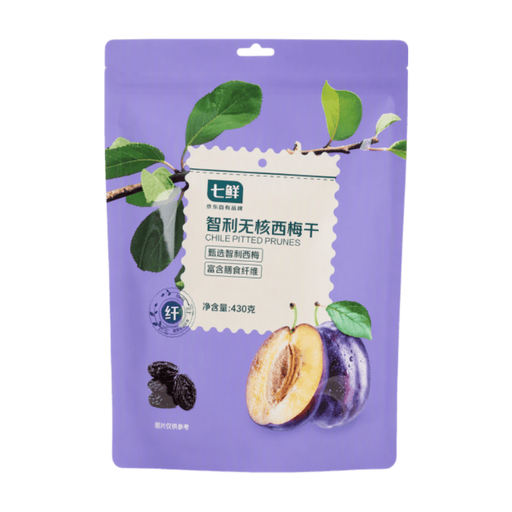 Image unavailable
This 430 g pack is suitable for preparing several portions, but you’ll need to divide them up yourself. Follow the storage instructions after opening, and weigh each portion if you want to know exactly how much you’re taking.
 Image unavailable
The 500 g pack lets you prepare several portions of pitted dates. It isn’t a multi-pack, so choose and weigh the amount you want to take, then follow the pack’s resealing instructions.
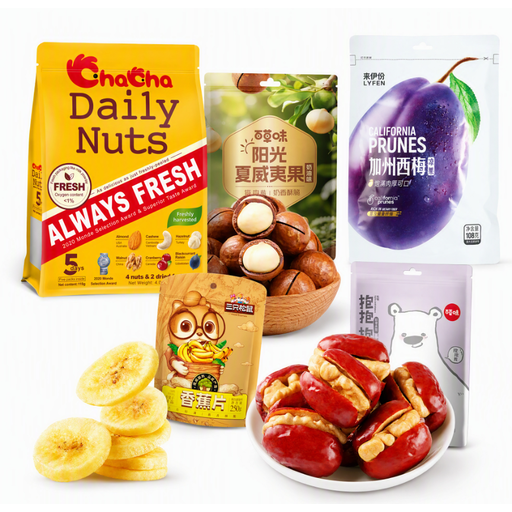 Image unavailable
The five individually wrapped items are better suited to sharing or filling lunchboxes than to measuring out a portion of one type of dried fruit. The mix contains nuts, so check the label on each item, particularly for allergen and nutrition information.
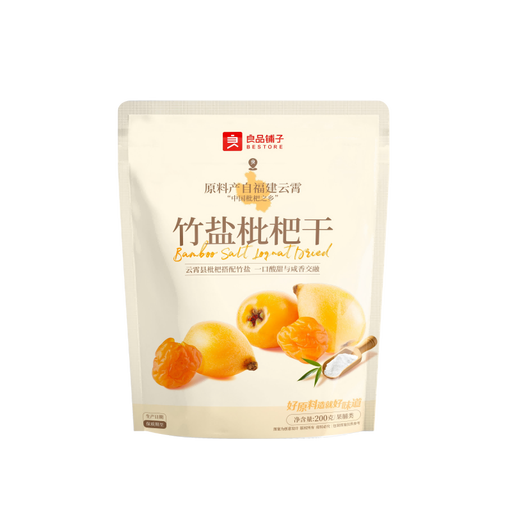 Image unavailable
This 200 g pack can be divided into portions, but it isn’t described as a multi-pack. The product description mentions sulphites, so read the label on the product you choose and bear in mind the salt mentioned in its name.
No. A pack on its own isn’t a fuelling plan. To work out how it fits in, check the carbohydrate content for the portion you’ll actually take and try the product during training rather than saving it for race day.
Decide how much you need for each occasion, divide it between suitable containers and follow the storage instructions on the original pack. A large pack doesn’t automatically come with individual portions.
It may be, if the ingredients suit everyone who’ll be sharing it. Check the ingredients list and allergen information for the specific product. A mix isn’t automatically a substitute for a portion of dried fruit chosen for its carbohydrate content.
Check how many individual packs it contains, the weight of each one if listed, and the nutrition information for the portion you’ll eat. If it’s a mix, read the label on every item too, as the ingredients may differ.