Households organising their store-cupboard shopping
If soup is a handy back-up meal, choose an amount your household can finish once it’s prepared. The weight of the sachet alone won’t tell you how many bowls it will make.


Choose a format based on how many bowls you’ll actually eat: a multi-portion sachet is a good choice if you’ll serve it all, while individual sachets let you make one portion at a time. To compare recipes, check the yield, ingredients, allergens and salt per portion. The soup’s name or any Nutri-Score it may display won’t tell you enough on its own.
If soup is a handy back-up meal, choose an amount your household can finish once it’s prepared. The weight of the sachet alone won’t tell you how many bowls it will make.
If salt, an ingredient or an allergen affects your choice, check the details for the exact recipe. The DGCCRF says allergens must be highlighted in the ingredients list. Santé publique France notes that displaying the Nutri-Score is voluntary.
If you rarely make soup or only want one bowl, individual sachets let you open one portion at a time. Still, check the prepared volume stated for each sachet.
When stocking your store cupboard, start with the number of bowls you need, then check how to store each recipe, what it contains and how to prepare it.
| What to consider | What to check | Who it matters to |
|---|---|---|
| How much you’ll eat | Net weight and the stated number of bowls or prepared volume. | I want to stock the cupboard without making more soup than my household will eat. Around 31% of shoppers say the amount they’ll actually consume is their main concern. |
| Storage and leftovers | The date, storage conditions and instructions for after opening. | If I only eat soup occasionally, I’d rather use sachets at my own pace and keep leftovers to a minimum. This is the priority for around 25% of shoppers. |
| Salt and ingredients | Salt for the portion you plan to serve, and allergens highlighted in the ingredients list. | Before choosing a recipe, I need to know what’s in the bowl I’ll serve. Ingredients are the main concern for around 25% of shoppers. |
| Preparation and recipe | Cooking time, preparation method and whether it contains noodles or croutons. | When I’m making soup in a hurry, I look for a recipe and method that suit mealtimes. Around 19% of shoppers put convenience first. |
Two sachets of different weights won’t necessarily make the same number of bowls. The amount of water required and the volume you get also matter when choosing the right format.
Before buying several sachets, compare the net weight, stated number of portions and preparation instructions.
The Knorr 9 Vegetables soup listed by Carrefour France contains, among other ingredients, wheat, milk, celery and chicken fat. The Royco 10 Vegetables and Croutons recipe listed by Carrefour France contains, among other ingredients, wheat, milk, butter and celery.
Read the ingredients list for the product you’re considering and look out for highlighted allergens, especially before buying several packs.
Salt levels vary by recipe. Auchan France lists 2.1 g of salt per 250 mL portion of Knorr Potato and Bacon soup. This figure doesn’t apply to other Knorr soups.
Relate the nutritional information to the portion you plan to serve, rather than relying on the recipe name alone.
A best-before date doesn’t replace storage instructions or guidance on what to do after opening. The French Ministry of the Economy distinguishes between a best-before date (DDM) and a use-by date (DLC), which is a strict deadline.
Follow the instructions on the packaging, store it as directed and check what to do once it’s opened.
Carrefour France lists own-brand dried soups, including a 105 g 9 Vegetables soup and a leek and potato soup in four 20 g sachets.
Dried soup recipes include 9 Vegetables soup and Potato and Bacon soup.
Royco offers ranges including Classique, Crémeux, Gratiné and Vermicelles. Its 10 Vegetables and Croutons recipe, listed by Carrefour France, comes in a pack of three sachets.
This selection of store-cupboard soups includes sachets for individual portions and mixes that make several bowls. Start by choosing the format and recipe that suit how you’ll use it, then check the label on the product you’ve chosen.
 Image unavailable
The three separate sachets are handy if you want to make one portion at a time.
Check the ingredients, allergens and salt listed for the portion you’ll serve.
 Image unavailable
Consider this format if you want to make several bowls of soup rather than opening individual portions.
The title states 69 g and 0.70 L. Check the packaging to see what portion size the nutritional values refer to.
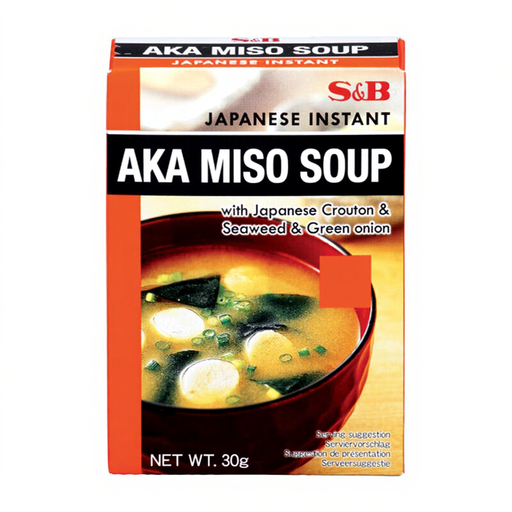 Image unavailable
This miso soup is worth considering for an occasional bowl.
Check how many sachets are in the pack and which portion size the nutritional values are based on.
 Image unavailable
Compare this 90 g sachet with other soups prepared in a saucepan if you’re looking for a Harira recipe.
Before deciding how many sachets to buy, compare the preparation instructions with the portion size used for the nutritional information.
 Image unavailable
Consider this 85 g sachet if you’re looking for a Chorba recipe to keep in your store cupboard.
Check how many bowls the preparation instructions make and what volume the nutritional values per portion are based on.
Choose based on how many bowls you’ll actually make and eat. A sachet intended for several bowls is a good option if you’re serving several people; separate sachets let you make one portion at a time. Check the prepared volume on each pack.
No. If it’s displayed, the Nutri-Score doesn’t replace checking the nutritional information and ingredients. Santé publique France says its display is voluntary. Also check the salt in the portion you plan to eat and the allergens in each recipe.
No. The recipe name alone won’t tell you. The Knorr 9 Vegetables soup listed by Carrefour France contains chicken fat, among other ingredients, so read the ingredients list for the product you’re thinking of buying.
Check the ingredients list and allergens for the exact product, rather than relying on the brand or recipe name. The DGCCRF says allergens must be highlighted in the ingredients list of relevant food products.
Follow the date and storage instructions on each pack, along with any guidance for after opening. The French Ministry of the Economy distinguishes between a best-before date and a use-by date, which is a strict deadline.