For one person in the morning
If you want to make a bowl without measuring out powder or keeping an opened sachet, look for a product that states the volume for each serving. Carrefour and Auchan, for example, list Royco products in 20 cl sachets.


To make a single bowl on a weekday morning without measuring out powder, choose a soup whose packaging clearly states that each sachet makes one serving and gives the amount of water to add, such as 20 cl. A sachet designed for several bowls may be more suitable if you’re sharing, but you’ll need to check how much water to use and how to prepare it. In either case, read the ingredients, allergen information and nutritional details for the exact recipe.
If you want to make a bowl without measuring out powder or keeping an opened sachet, look for a product that states the volume for each serving. Carrefour and Auchan, for example, list Royco products in 20 cl sachets.
If you need to avoid certain ingredients or compare salt levels, check each recipe individually. The allergens and nutritional values for one flavour won’t necessarily apply to another.
If several people are having soup at the same time, a sachet designed for multiple bowls could be a good fit. Be sure to check the amount of water and preparation instructions, though: some recipes need to be cooked in a pan.
For a weekday breakfast, first check whether the sachet makes the right number of bowls, then make sure the preparation fits into your morning. You can then compare the options by checking the label for the exact recipe.
| What to consider | What to check | Who is it for? |
|---|---|---|
| Individual serving | The number of sachets and the volume each sachet makes, rather than just the word “instant”. | When I’m making a single bowl, I’d rather not measure out powder or keep an opened sachet. Around 31% of consumers would prioritise a pre-measured serving above all else. |
| Preparation method | The water temperature and amount, as well as any boiling or cooking steps. | On a busy morning, I mainly want to keep preparation to a minimum before eating. Around 31% of consumers would make ease of preparation their priority. |
| Ingredients | The ingredients, listed allergens and salt content on a like-for-like basis, particularly per 100 ml of prepared soup if this value is given. | If I need to avoid certain ingredients or compare salt levels, the exact recipe matters more than the sachet format. This would be the top priority for around 23% of consumers. |
| Several bowls | The stated number of servings and how much water is needed to prepare the sachet. | If I need several bowls, I’m happy to make them together rather than use separate portions. Around 15% of consumers would prioritise this shared use. |
A sachet may be designed to make several bowls, so the number of sachets in the box alone won’t tell you how much each serving makes.
Look for details such as “3 sachets, each making 20 cl”. If this isn’t clear, check the number of bowls and the amount of water stated on the packaging.
You can’t directly compare a “per serving” value with that of another product if the prepared servings are different sizes.
Compare the nutritional values on a like-for-like basis, for example per 100 ml of prepared soup where this information appears on the labels, then take the size of your bowl into account.
A vegetable recipe may also contain other allergenic ingredients or carry a warning about possible traces. Ingredients vary by product.
Read the ingredients list and allergen information for the exact product, even if you’re already familiar with the brand.
Products are sold in sachets with the individual serving volume stated, making them worth considering if you’re making one bowl.
A brand to consider if a sachet designed for several people suits your needs.
The supermarket’s own brand offers different pack formats to compare, depending on how many servings you need.
Sachet soups worth considering if you’re happy with a preparation that isn’t already divided into individual portions.
These products suit different needs: a small sachet soup, miso soup to prepare in a cup, an individual portion of noodle soup or a sweet preparation. If you’re in a hurry in the morning, pay particular attention to whether you can simply add hot water or whether the recipe needs cooking.
 Image unavailable
Worth considering if you want to make one small bowl without measuring out powder. The box contains three 20 cl sachets. Check the ingredients and allergens in this recipe before choosing it.
 Image unavailable
Worth considering if you’d like to make a serving of miso soup in a cup. The pack states that it contains eight servings. Check the packaging for the amount of water to use, allergens and nutritional information so you can compare it appropriately.
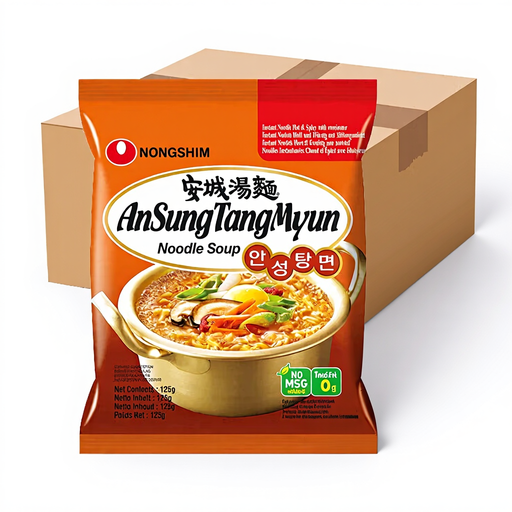 Image unavailable
Worth considering if you’re looking for a portion of noodles rather than a small cup of soup. The pack contains twenty 125 g units. This product needs cooking, which is worth bearing in mind if you’re short on time in the morning.
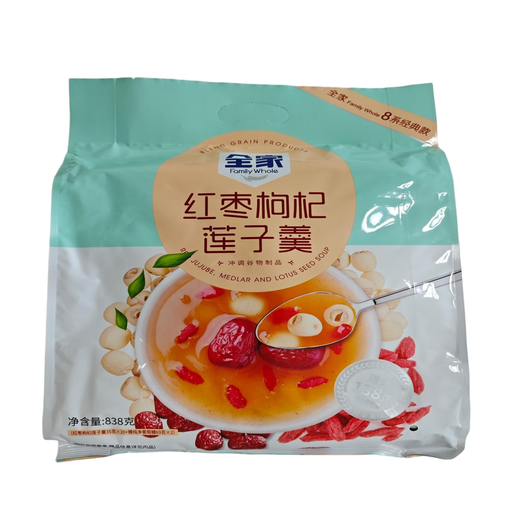 Image unavailable
Only worth considering if you’re looking for a sweet preparation rather than a savoury soup. The stated pack size is 838 g and it contains glucose. Check the mixing instructions before assuming it can be prepared in one simple step.
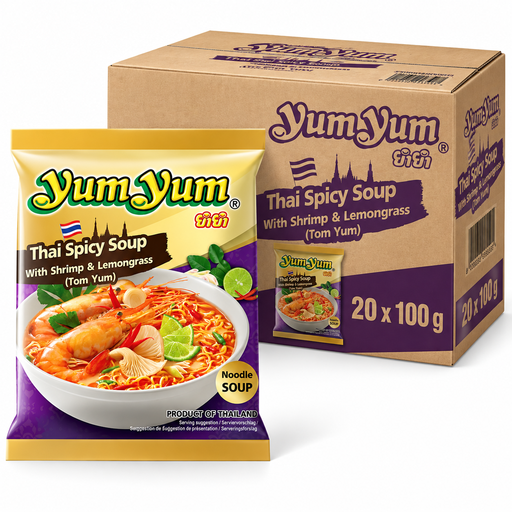 Image unavailable
Worth considering if you’d rather have separate portions of noodle soup than a large sachet to divide up. The pack contains twenty 100 g units. Check the packaging for preparation instructions and allergens in this recipe.
Check that the volume or serving size is stated for each sachet, rather than relying on the soup being labelled “instant”. For example, Carrefour lists one Royco product in three 20 cl sachets. For other products, check how many bowls the pack is said to make.
No: the preparation method depends on the recipe. For some Knorr soups designed to make several bowls, Auchan’s instructions say to add the soup to cold water, bring it to the boil and cook for a few minutes. Check the instructions for the product you’re interested in.
Read the ingredients highlighted as allergens and check for any warnings about possible traces on the exact product. The DGCCRF explains the rules for highlighting allergens. Don’t guess the ingredients from the flavour or brand name alone.
Compare values given on the same basis, such as per 100 ml of prepared soup, if both products provide this information. The DGCCRF states that nutritional information is given per 100 g or 100 ml to make comparisons easier. Then take into account the amount you’ll actually prepare.