
Livraison le jour même ou le lendemain

Qualité garantie

Débloquez vos offres de bienvenue: Livraison GRATUITE | Jusqu'à -80 % | 30 jours d'essai gratuits à JoyPlus
Téléchargez l'application
Dried seaweed is no longer just for culinary insiders! It has become a must-have ingredient for Asian cuisine enthusiasts and anyone looking to combine great taste with nutritional benefits. But with wakame seaweed, nori seaweed, and other varieties available, it can be tricky to tell them apart. Which one should you choose for a comforting seaweed soup or a refreshing seaweed salad?
As a product expert at Joybuy, my mission is to guide you through this fascinating world. Forget the marketing jargon: this guide gets straight to the point to help you buy the dried seaweed that's perfectly suited to your tastes and recipes.
A few key criteria are all you need to make the right choice. Here are the essential points to check to find the dehydrated seaweed that will elevate your dishes.
Each variety has a unique texture and flavour, making it ideal for specific culinary uses.
Dried seaweed is a true nutritional powerhouse. Rich in minerals (especially iodine), fibre, and protein, it is also very low in calories.
When you're ready to buy, take a moment to look at the packaging:
To get you started with confidence, here is our selection of three products, each with its own speciality, from Japanese to Korean cuisine.
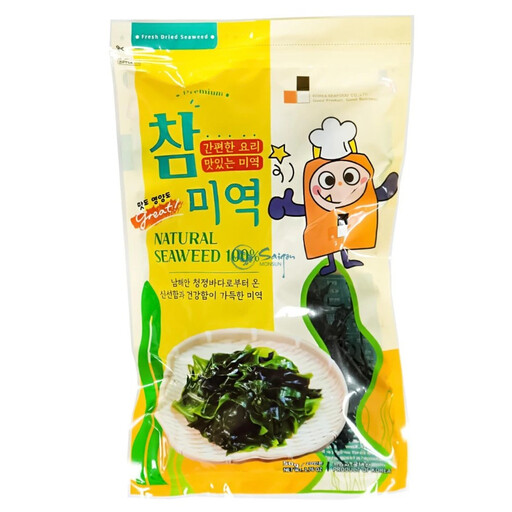
Why this product stands out: This 100% natural wakame is perfect for beginners. Its ultra-pure composition (free from all 14 major EU allergens) makes it a reliable and healthy choice. Its dehydrated format ensures a long shelf life and incredibly simple use.
Advantages:
Who is it for? Anyone new to seaweed or looking for a basic, effective, and easy-to-use wakame for everyday cooking, especially for seaweed soup and seaweed salad.
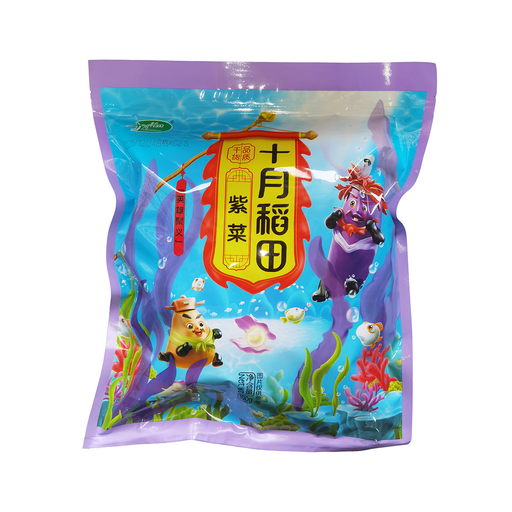
Why this product stands out: This purple seaweed (a variety of laver, or unroasted nori) is selected for its particularly tender texture and beautiful dark green colour. Very rich in protein and fibre, it's a choice ingredient for authentic Asian cuisine.
Advantages:
Who is it for? For fans of homemade sushi, onigiri, and soups who want a cookable nori with a softer texture than classic roasted sheets.
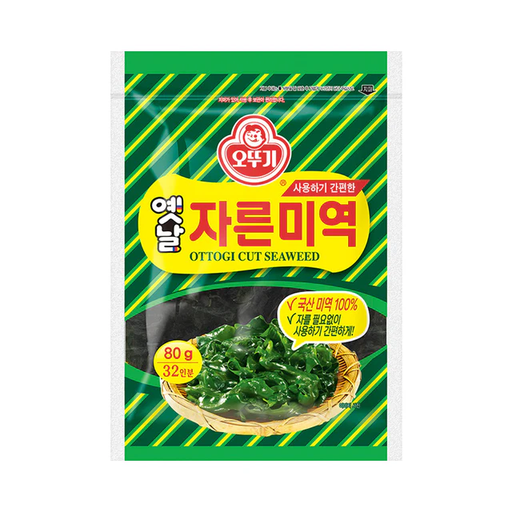
Why this product stands out: Dive into the heart of Korean cuisine with this Ottogi product. Harvested from the southern coasts of Korea, this seaweed (miyeok, a cousin of wakame) comes pre-cut. It's a valuable time-saver for preparing the famous Korean birthday soup, Miyeok-guk.
Advantages:
Who is it for? For fans of Korean cuisine or anyone looking for an ultra-fast, hassle-free way to add seaweed to their soups and salads.
Does your quest for authentic ingredients extend beyond the kitchen? If you also love caring for your garden or houseplants, we have just what you need.
Discover our selection of gardening products, like topsoil, and help your green spaces flourish.
It couldn't be simpler! Just soak the dehydrated seaweed in a large bowl of cold water. The time depends on the variety:
Absolutely! Edible seaweed is a fantastic ally for your well-being. It's packed with vitamins, minerals (iodine, iron, calcium, etc.), and fibre. The only point of caution: its high iodine content means it should be consumed in moderation as part of a varied and balanced diet.
When stored correctly, dried seaweed has a very long shelf life. The secret? An airtight container, stored away from light, heat, and moisture. A dry, dark kitchen cupboard is perfect. Simply refer to the best-before date indicated on the package.