Dried pulses in bags are a good choice when you can plan ahead for cooking. Tins and jars cut down on preparation time, while ready meals call for a careful look at the recipe and salt content. If someone is losing weight unintentionally, is malnourished or has chronic kidney disease, their food choices should be discussed with the healthcare professionals looking after them.
Who are these options for?
Relatives planning meals
If you regularly prepare meals for an older person, a bag of dried pulses can be stored and used across several meals. The choice between lentils, split peas and beans will also depend on the dishes they enjoy and how much time you have to cook.
Older people and relatives short on time
If cooking dried pulses is difficult to fit into your daily routine, tins, jars and ready meals can make preparation quicker. You should still check the ingredients list and nutritional information for each recipe.
People whose diet is being monitored
If someone is losing weight unintentionally, is malnourished, has chronic kidney disease or has been given dietary instructions, the most convenient format is not enough to determine what is suitable. The French National Authority for Health and the French health insurance system outline situations that require an assessment or individualised monitoring.
Which criteria matter for different needs?
Start by weighing up how much time you can spend cooking and how prepared you want the product to be. Then consider the variety, texture and ingredients to find an option you’ll actually use in your meals.
Dried pulses in bags
Choose these if: you can plan ahead for cooking and use the bag across several meals.
Bear in mind: preparation steps vary by variety; some beans, for example, need to be soaked.
Tins and jars
Choose these if: you need to add pulses to a dish quickly, without cooking them from dried.
Check: plain pulses and seasoned recipes don’t necessarily have the same ingredients or salt content.
Ready meals
Choose these if: preparing the other formats isn’t practical for the older person or their relative.
Check: the recipe, listed allergens and portion size, rather than treating the meal as plain pulses.
| Criteria |
What to check |
Who is it for? |
| Storage and use |
The weight of the bag and whether you can use the chosen variety in the meals you have planned. |
If I’m preparing several meals, I want a bag I can store and use up. Around 40% of consumers prioritise this need to plan ahead. |
| Preparation time |
Soaking and cooking instructions, or whether the pulses are already cooked. |
When cooking takes too long, I look for pulses that are simple to serve. Speed is the main priority for around 30% of consumers. |
| Enjoying mealtimes |
The variety, intended portion size and a texture the person is happy to eat. |
If dried pulses don’t feature often in my usual meals, I’d rather introduce them gradually. Enjoying mealtimes comes before other criteria for around 20% of consumers. |
| Dietary monitoring |
The ingredients and nutritional information to review with the professionals looking after the person. |
When a dietary prescription or health condition affects someone’s diet, I need to know whether the product is suitable for their needs. This is the priority for around 10% of consumers. |
Mistakes to avoid
-
Choosing a bag without thinking about which meals to use it in
Dried pulses need storage space and time to prepare. A large bag is of little use if the person eating them doesn’t like that variety.
Start with dishes they enjoy, then check the weight and cooking instructions on the packaging.
-
Increasing pulse portions too quickly
Manger Bouger says that increasing your fibre intake too quickly can lead to bloating or abdominal pain.
If the person rarely eats dried pulses, reintroduce them gradually and pay attention to how comfortable they feel after meals.
-
Treating a ready meal like plain pulses
A cooked dish contains a complete recipe. For example, Bjorg states that its Lentilles carottes contains 0.49 g of salt per 100 g; this figure applies to that product, not to all ready meals in pouches.
Check the ingredients, listed allergens, salt content and nutritional information per portion for the product you’re considering.
-
Relying on a change of product to address an illness
Unintentional weight loss, malnutrition or chronic kidney disease cannot be addressed simply by choosing a particular brand or format of dried pulses. The French National Authority for Health and the French health insurance system stress the importance of appropriate assessment and monitoring in these situations.
Before making significant changes to someone’s meals, speak to their doctor, dietitian or care team.
Brands to compare by product
These brands offer different formats. The variety and ingredients of the specific product matter more than the retailer’s name when deciding what to cook.
Carrefour
The Carrefour range includes 500 g bags of lentils and split peas, among other products from its various own-brand ranges.
- Several dried varieties let you choose according to the dishes you have planned.
- Check which product is available from your chosen store or service.
Marque Repère / Notre Jardin (E.Leclerc)
The range includes lentils, split peas and dried beans, with several products available in 500 g bags.
- The choice of varieties makes it easier to match your shopping to the recipes you usually make.
- Check which products are available at your chosen store.
Auchan
The Auchan range includes dried pulses in bags, as well as tins and quick-to-prepare meals.
- The different formats suit different preparation times.
- For a prepared version, check the recipe rather than relying on the name of the pulse alone.
Lidl / Golden Sun
Lidl’s range includes Golden Sun dried pulses, including organic products.
- One option to consider when you want to add variety to your store cupboard.
- Lidl notes that products featured in its catalogues may not be available in every store.
ALDI / Fleurs des Champs
ALDI’s range includes green lentils and white beans in 500 g bags.
- These two varieties give you a choice depending on the dish you’re cooking.
- Read the preparation instructions for the product you choose.
Bjorg
Bjorg offers an organic Lentilles carottes meal in a pouch, advertised as ready in two minutes.
- A ready-to-eat option when you need to keep preparation time short.
- Check the ingredients, listed allergens and nutritional information for this recipe.
Bagged dried pulses on Joybuy
These are dried pulses that need cooking, so they’re best for meals you can plan ahead. When choosing between them, consider the variety, how much you’ll use and the cooking instructions for each bag.
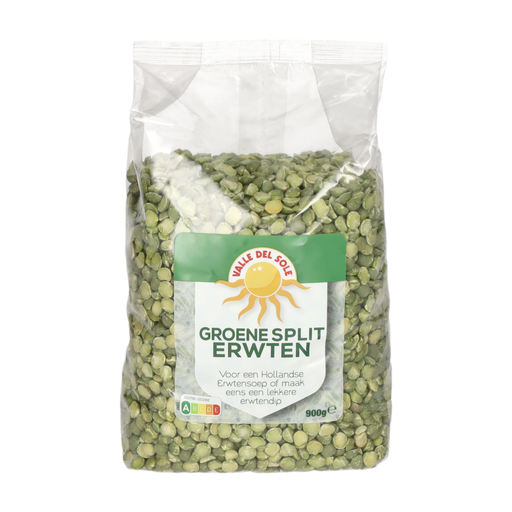 Image unavailable
VDS Green Splitter Peeled, 900 gr
Dried green split peas to consider for soups or stews you’re preparing in advance.
The bag contains 900 gr. Check the cooking instructions before planning your meal.
View on Joybuy
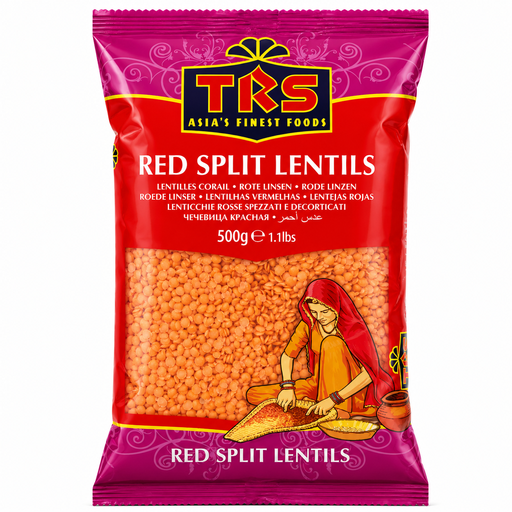 Image unavailable
Lentils Red 500g
Dried red lentils for dishes that call for this variety, including soups and stews.
The bag contains 500g. Check its preparation instructions to plan the cooking time.
View on Joybuy
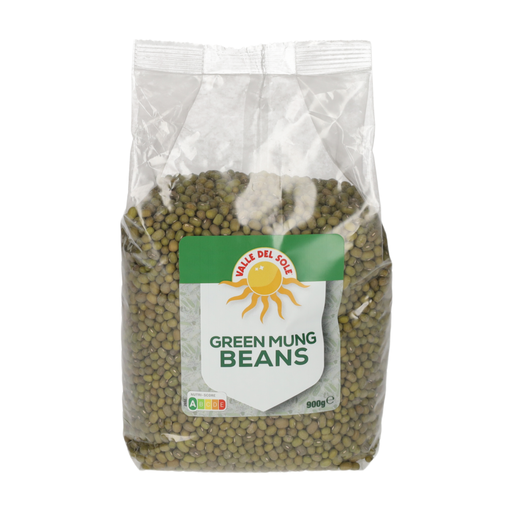 Image unavailable
VDS Green Mung Beans, 900 gr
Dried mung beans for anyone looking to add variety to the pulses they use in soups or stews.
The bag contains 900 gr. Check the preparation steps on the packaging.
View on Joybuy
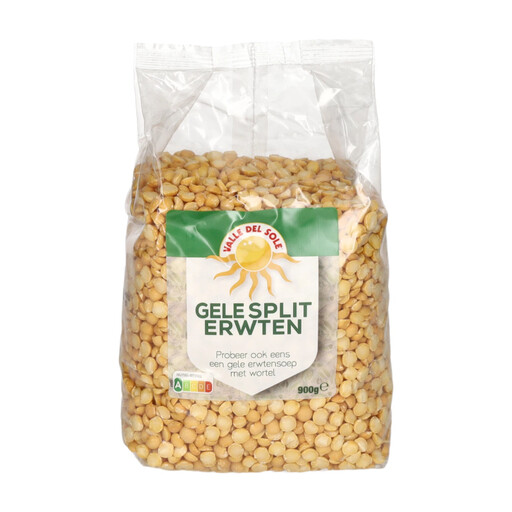 Image unavailable
Valle Del Sole Peeled Yellow Splitter Nuts, 900 g
Dried yellow split peas to consider for soups or stews.
The bag contains 900 g. Check the soaking and cooking instructions before planning your meal.
View on Joybuy
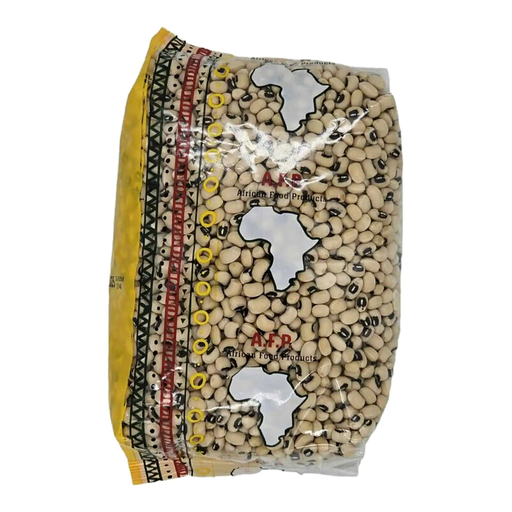 Image unavailable
A.F.P. Black Eye Beans, 900g
Dried black-eyed beans for meals you can plan ahead.
The bag contains 900g. Check the soaking and cooking instructions before use.
View on Joybuy
Frequently asked questions
Can you serve dried pulses instead of meat?
Yes. The French health insurance system says pulses can replace red meat or poultry in a meal, and recommends pairing them with a cereal product, such as lentils with rice. Any individual dietary prescription should take priority.
How can you reintroduce dried pulses if they’re rarely part of meals?
Introducing them gradually allows you to take the person’s comfort into account. Manger Bouger says that increasing fibre too quickly can cause bloating or abdominal pain; it also recommends making sure they drink enough.
Are tinned pulses suitable when cooking becomes difficult?
Tins and jars can cut down on preparation time. Manger Bouger lists them as a way to add dried pulses to meals quickly. For a seasoned recipe, check the ingredients and the amount of salt shown on the product you choose.
What should you choose if someone is losing weight or has chronic kidney disease?
In these situations, don’t choose a format of dried pulses purely for convenience. Discuss how it fits into the person’s meals with the healthcare professionals looking after them. The French National Authority for Health sets out how malnutrition should be assessed in people aged 70 and over, while the French health insurance system describes ongoing monitoring for chronic kidney disease.


