Anyone in a hurry after work
If you already have dried pasta in the cupboard, a ready-to-heat tomato sauce means less preparation for your meal. Panzani and Auchan provide reheating instructions for some of their products.


For a quick meal using dried pasta from the cupboard, a ready-to-heat tomato sauce is a simple choice. Pick a jar size to suit the number of people you’re serving and follow the instructions on the jar. Pesto offers a change of pace, while a Bolognese is a good choice if you fancy a meat sauce. Whichever you choose, check the ingredients, allergens and storage instructions after opening.
If you already have dried pasta in the cupboard, a ready-to-heat tomato sauce means less preparation for your meal. Panzani and Auchan provide reheating instructions for some of their products.
If you’re cooking for one or two, compare the jar size with how much you’ll use. Auchan’s 190 g cooked tomato sauce comes with instructions to use it within 48 hours of opening; storage times vary by product.
Depending on the recipe, pesto may contain cheese or nuts, while Bolognese contains meat. If you need to avoid a particular ingredient, check the ingredients list and allergen information on the product you buy.
For a midweek dinner with dried pasta, first choose a recipe that suits the meal, then check how to use it and how much you’ll need.
| What to consider | What to check | Who it matters to |
|---|---|---|
| Quick preparation | The reheating instructions for the product and which container to use. | When dinner needs to be ready soon after the pasta has cooked, I want a sauce that takes little effort. Around 46% of consumers would prioritise speed. |
| Jar size and leftovers | The jar’s weight, how much you need for the meal and storage instructions after opening. | When cooking for one or two, I prefer to be able to use the opened sauce within the stated time. Around 27% of consumers would prioritise portion control. |
| Ingredients and allergens | The ingredients list and allergens for the exact product. | If I need to avoid an ingredient, the sauce’s name or colour isn’t enough to help me choose. Around 18% of consumers would put this check first. |
| Choice of recipe | The type of sauce you want — tomato, pesto or a meat-based recipe — and its ingredients. | If I want to vary my dinners without making a sauce from scratch, I look for a different recipe to pair with pasta. Around 9% of consumers would prioritise a change of flavour over other criteria. |
The jar size should suit the meal, as well as how you might use any leftovers. For its cooked tomato sauce, Auchan recommends refrigerating it and using it within 48 hours of opening.
Before choosing a large jar, check the instructions for that product and think about when you’ll use the rest.
If you can’t finish an opened sauce within the stated time, it may go to waste.
Auchan’s tomato and Parmesan sauce contains milk; Carrefour warns that its Bio tomato and basil sauce may contain traces of several allergens. A meat-based recipe isn’t suitable for a vegetarian meal either.
Check the product name, ingredients and allergen information for the one you’re buying, rather than relying on its colour.
Auchan notes that a product’s ingredients may vary depending on the store and purchase date.
When you order or cook, check the relevant product information or the label on the jar you receive, particularly if you need to avoid an ingredient.
Ready-to-serve tomato and Bolognese sauces for pasta. The Tomates Basilic sauce is available in 210 g, 400 g and 650 g sizes.
Barilla’s range includes pesto and meat-based Bolognese sauces.
Carrefour’s range includes a 420 g Classic’ tomato and basil sauce and a 350 g Bio tomato and basil sauce.
E.Leclerc’s range includes tomato and basil, Neapolitan, Provençale, Bolognese and pesto sauces in a variety of sizes.
Auchan’s range includes cooked tomato and tomato and Parmesan sauces in 190 g jars.
Lidl has sold a ready-to-use béchamel sauce under this brand, intended for dishes such as bakes and lasagne.
This selection includes tomato sauces to heat up and pestos to pair with cooked pasta. Choose according to the recipe you fancy, the jar size and any ingredients you need to avoid.
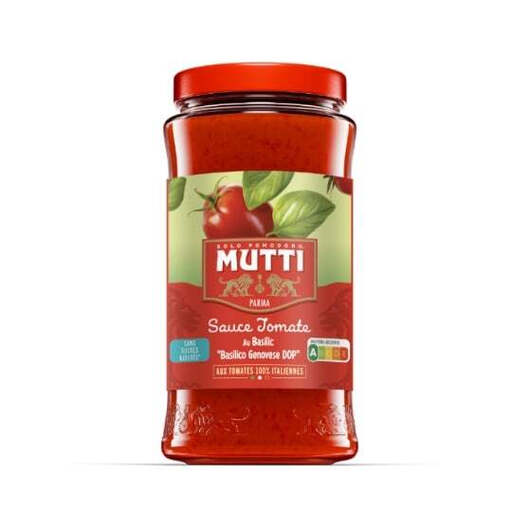 Image unavailable
This sauce is designed to be heated and mixed with cooked pasta. Check the label for heating instructions and ingredients if you need to avoid an allergen.
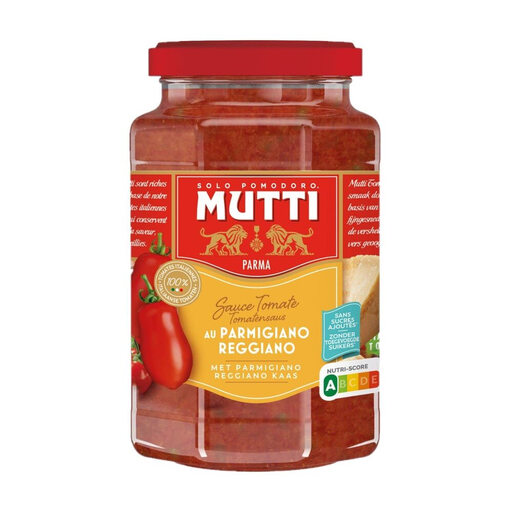 Image unavailable
This tomato sauce with Parmigiano Reggiano is designed to be heated and mixed with pasta. The jar contains 400 g. The recipe contains milk, so bear this in mind if you need to avoid it.
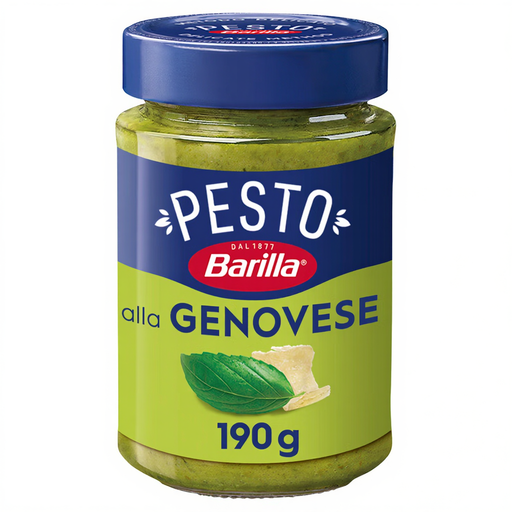 Image unavailable
This 190 g pesto is designed to accompany cooked pasta. The recipe contains milk, cashews and pine nuts. Check the ingredients list on the jar if you need to avoid any of these.
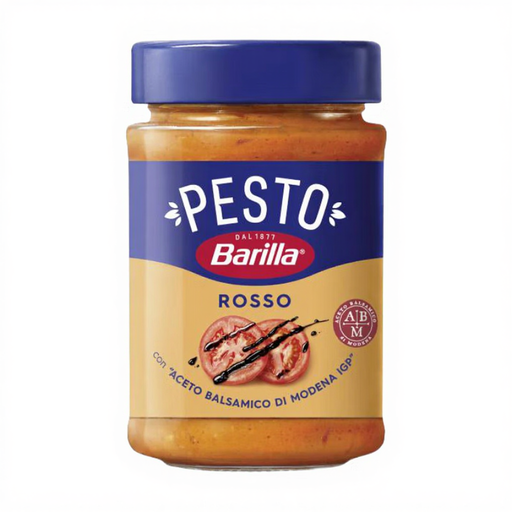 Image unavailable
This 200 g pesto rosso can be mixed with cooked pasta for a change from a classic tomato sauce. It contains milk and almonds. Choose an amount to suit your meal and check the label.
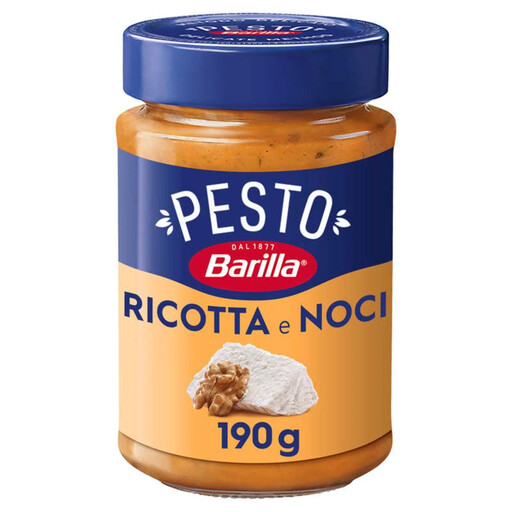 Image unavailable
This 190 g pesto is designed to be mixed with hot pasta. Its ingredients list includes milk, walnuts, cashews and egg. Check the label for allergens and any possible traces.
Follow the instructions for the product you’ve bought. For its Tomates Basilic sauce, Panzani recommends one minute at 900 W for 200 g. For its cooked tomato sauce, Auchan recommends one to two minutes in the microwave, following its own instructions.
It depends on the product, so check the instructions on the jar. For its cooked tomato sauce, Auchan recommends storing it between 0 °C and +4 °C and using it within 48 hours of opening. The Ministry of the Economy also advises following the manufacturer’s instructions after opening.
No: you can’t tell from the recipe name alone. Auchan’s tomato and Parmesan sauce contains milk, while Carrefour warns that its Bio tomato and basil sauce may contain traces of wheat, celery, milk and mustard. Check the ingredients and allergen information for the product you choose.
A use-by date is a strict deadline, while a best-before date relates to the product’s quality when stored as instructed. The Ministry of the Economy distinguishes between the two: check which date appears on your sauce and follow the storage instructions too, particularly after opening.