For mixing dried pasta with melted raclette cheese, start with a short, ridged, hollow or twisted shape. It’s a good choice for serving a thick mixture without having to cut the pasta, although the result also depends on the recipe. If you’re short on time, compare the cooking times of the products that suit you. If you prefer wholemeal pasta, bear its texture in mind and, in all cases, check the ingredients and allergens on the packet.
Who these options are for
Hosts mixing pasta with melted cheese
You want to serve short pasta that’s easy to mix and portion onto plates. Panzani describes the ridges on its elbow pasta as suitable for thick sauces. With melted raclette cheese, this is a useful culinary guide, not a guarantee of the result.
Hosts short on time
If you already have other sides to prepare, a quick-cooking pasta can help you plan the meal. Always follow the cooking time on your chosen packet.
Guests who prefer wholemeal pasta
You’re looking for a different composition and are happy with a flavour or texture that differs from regular pasta. To compare the fibre in two products, check their nutritional information on the same basis: per 100 g.
What to look for
First, decide whether you’ll mix the pasta with the melted cheese or serve it on the side. Shape matters most when mixing; cooking time, ingredients and allergens will then help you choose a specific product.
| Criteria | What to check | Who it’s for |
|---|
| Shape and serving |
Look for short, ridged, hollow or twisted shapes if you plan to mix the pasta into a thick preparation. |
I want to serve pasta coated in melted cheese easily, rather than serving long pasta on the side; around 40% of consumers put ease of mixing and serving first. |
| Cooking time |
Compare the cooking times on the packets you’re considering, then plan to drain the pasta close to serving time. |
When several sides are being prepared at once, I want to spend less time keeping an eye on the pan; this is the priority for around 30% of consumers. |
| Wholemeal ingredients |
Check whether the packet says ‘wholemeal’ or ‘semi-wholemeal’. To compare two products, check their fibre content per 100 g. |
I prefer wholemeal pasta and am happy for its texture to differ from regular pasta; around 20% of consumers prioritise this type of product. |
| Ingredients and allergens |
Read the ingredients list and allergen information on the exact packet, including any warnings about possible traces. |
If a guest needs to avoid an ingredient, I can’t rely on the pasta shape alone; checking the ingredients comes first for around 10% of consumers. |
Mistakes to avoid
-
Choosing thin pasta just because it cooks quickly
Barilla gives a cooking time of five minutes for its Spaghettini N°3, but a short cooking time doesn’t tell you how easy this shape will be to serve with melted cheese.
First choose a shape that suits how you want to serve the dish, then compare the cooking times of the products you’ve shortlisted.
-
Assuming all dried pasta is gluten-free
The durum wheat semolina products we checked from Panzani and Lustucru list wheat or gluten. Other allergen information may vary by product.
If a guest needs to avoid an allergen, check the exact packaging and choose a product whose information meets their needs.
-
Choosing wholemeal pasta without considering your guests
Its flavour and texture may change the balance you’re looking for in the meal. Manger Bouger also points out that increasing your fibre intake too quickly can be uncomfortable.
Ask your guests what they prefer before routinely swapping regular pasta for a wholemeal version.
-
Leaving cooked pasta to stand all evening
If you cook the pasta well in advance, you’ll also need to plan how to store it before serving. Anses recommends refrigerating food within two hours.
Cook the pasta close to serving time or quickly refrigerate any leftovers in a covered container.
Brands to consider for these shapes
Barilla
The range includes a variety of pasta shapes and types, including regular and wholemeal options.
- Barilla gives a cooking time of five minutes for its Spaghettini N°3.
- This cooking time applies to that product only: check the shape, ingredients and cooking time on the packet you’re considering.
Panzani
The brand’s short pasta shapes let you compare an option for thick sauces with a quick-cooking product.
- Panzani describes its ridged elbows as suitable for thick sauces, while one of its Torti products carries a ‘3 minutes’ label.
- The shape and cooking time vary by product, as does its composition.
Lustucru
The brand also offers short spaghetti for those who prefer this shape to twisted pasta.
- The product information for its short spaghetti specifies durum wheat semolina.
- This product naturally contains gluten, and its product information notes that it’s made in a facility that uses eggs; check the packet you choose.
Carrefour
Carrefour Classic' and Carrefour Bio offer products whose labels you can compare.
- The product information for Carrefour Classic' Spaghetti lists durum wheat semolina.
- The same product information warns that it may contain traces of eggs, soya and mustard; these warnings don’t necessarily apply to other products.
E.Leclerc / Turini et Chaq
The E.Leclerc catalogue features a variety of shapes, including Turini penne rigate.
- You can consider a short pasta shape from the products shown.
- Check the product information and packaging for the exact product before drawing conclusions about its ingredients or allergens.
Auchan
The retailer offers several pasta shapes, both short and long, to compare depending on how you plan to serve them.
- Its catalogue includes penne, farfalle and fusilli.
- Auchan notes that the composition of some products may vary by delivery service: check the packaging when you buy.
Pasta available on Joybuy
This selection mainly features short pasta shapes to try with melted cheese, as well as a wholemeal option. Compare the shape and packet information with your recipe and your guests’ needs.
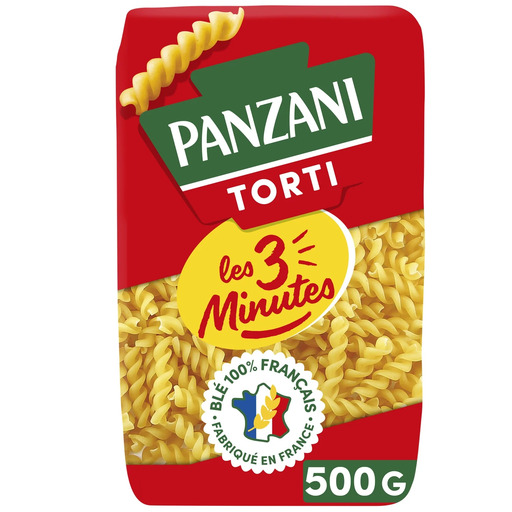 Image unavailable
Panzani Torti 3 minutes, 500 g
A short, twisted shape to consider if you’re mixing pasta with melted cheese. The three-minute cooking time is given for this product; follow the instructions on the packet, especially for cooking and allergen information.
View on Joybuy
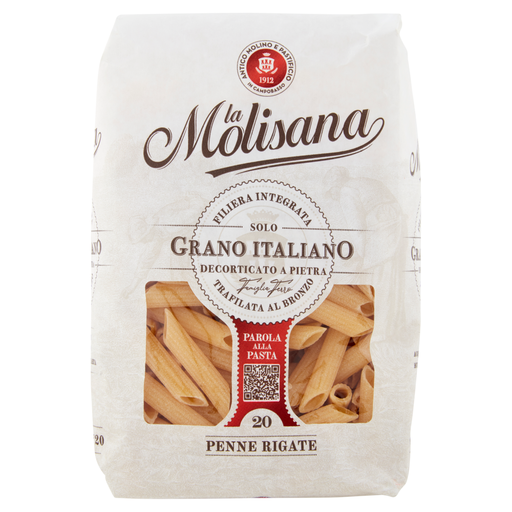 Image unavailable
Penne Rigate
Their short, ridged shape makes them easy to serve without cutting when mixed with cheese. Check the packet for the cooking time, ingredients and allergens for this product.
View on Joybuy
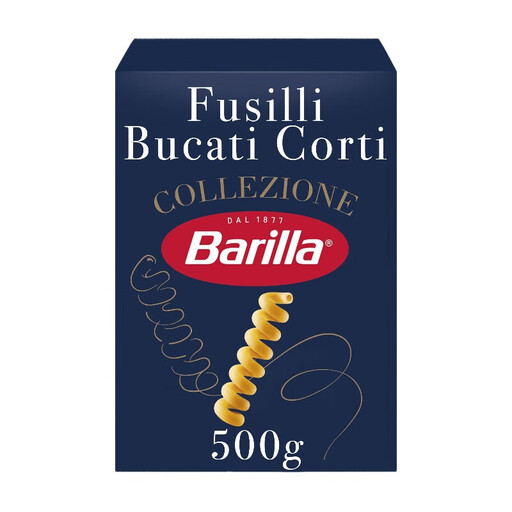 Image unavailable
Barilla Fusilli Bucati Corti, 500 g
This short, hollow, twisted shape offers another way to serve pasta mixed with melted cheese. Joybuy’s product information describes it as suitable for thick sauces; check the cooking time and allergens on the packet.
View on Joybuy
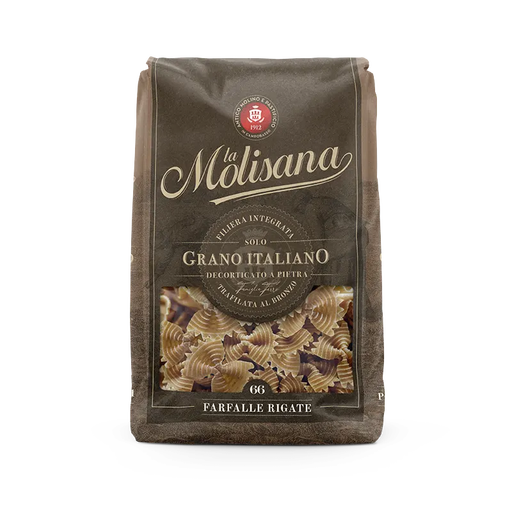 Image unavailable
La Molisana Farfalle Integrali N°066, 500 g
This wholemeal farfalle is for guests who prefer this type of pasta and are happy with a different texture. Its bow-tie shape shouldn’t be confused with a ridged or hollow shape; check the nutritional information and allergens on the packet.
View on Joybuy
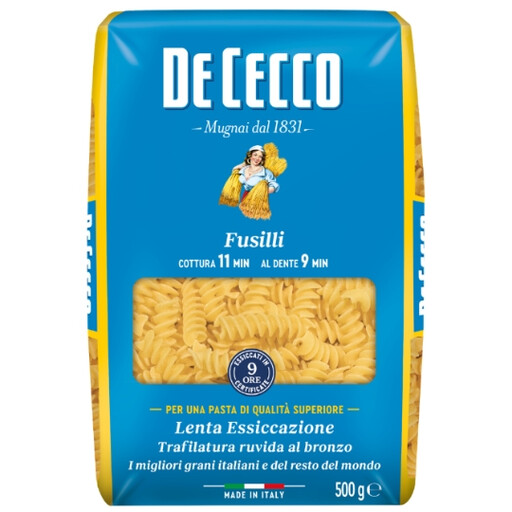 Image unavailable
De Cecco Fusilli No. 34, 500 g
The short, twisted shape makes this pasta a good option to serve with a melted cheese preparation. To plan your cooking, check the time on the packet and check the allergens before serving.
View on Joybuy
Frequently asked questions
Which dried pasta shape goes best with melted raclette cheese?
A short, ridged, hollow or twisted shape is a good starting point if you’re mixing the pasta into a thick preparation. Panzani describes its ridged elbows as suitable for thick sauces, but the amount of cheese and how you serve the dish matter too. Long pasta is still an option if you serve it on the side.
Can you cook the pasta before your guests arrive?
Yes, as long as you plan how to store it if you won’t be serving it straight away. Anses recommends refrigerating food within two hours; you can then mix it with the cheese when you’re ready to serve.
Is regular dried pasta free from allergens?
No. Durum wheat semolina pasta contains wheat, and other allergen information depends on the specific product. In France, the DGCCRF states that allergenic ingredients must be highlighted on the label; check the ingredients list and any warnings about traces on the packet you buy.


