Campers with a stove and little time
If your stove is allowed and you have access to water, a variety with a stated cooking time of 3 minutes can reduce the time your pasta takes to cook. Remember to allow time for the water to boil, too.


For festival camping, choose dried pasta according to how much time you’ll have to cook. A variety with a stated cooking time of 3 minutes will cook faster than one that takes 10 or 11 minutes, but you’ll first need to be able to boil water using equipment permitted at the festival. Pack an unopened packet and keep it somewhere dry, and check the ingredients. Fresh pasta that needs to be kept chilled is no substitute for a store-cupboard supply.
If your stove is allowed and you have access to water, a variety with a stated cooking time of 3 minutes can reduce the time your pasta takes to cook. Remember to allow time for the water to boil, too.
If you want to pack a supply that doesn’t depend on a cold chain, choose dried pasta in an unopened packet and store it somewhere dry. Check the storage requirements for any accompaniments separately.
If allergens, nutritional information, organic certification or origin matter to you, compare the details on the exact packet you’re considering. They can vary from one product to another.
Before comparing shapes and recipes, check the festival rules and whether you’ll have access to water. The stated cooking time is only useful if you’re actually able to cook.
| Criterion | What to check | Who it matters to |
|---|---|---|
| Cooking time | The time stated on the packet, access to water and whether you’re allowed to use cooking equipment. | If I have an approved stove but little time to cook, I want to keep the cooking time down once the water is boiling. Around 33% of consumers rank speed as their top priority. |
| Storage without refrigeration | The best-before date, storage instructions and whether the packet is intact. | Without a reliable cool box, I first look for dried pasta that I can keep in an unopened packet, away from moisture. This is a priority for around 27% of consumers. |
| Pasta shape | The shape and how well it goes with the ingredients you plan to bring. | If I’m planning several meals with a few sauces or store-cupboard ingredients, I first choose a shape that’s easy to serve with different accompaniments. Around 20% of consumers prioritise this. |
| Ingredients | The ingredients, allergens and nutritional information per 100 g for the exact product. | If I need to avoid an allergen or am comparing a particular recipe, I read the label before checking the cooking time. Ingredients come first for around 20% of consumers. |
France’s Anses distinguishes between best-before dates, which apply to products such as dried pasta, and use-by dates for perishable foods. This doesn’t mean you can ignore storage instructions or forget to check the condition of the packet.
For your camping supplies, check the date on the product you choose and keep its packet unopened and somewhere dry.
The stated 3 minutes for some Panzani varieties refers to the time it takes to cook the pasta. It doesn’t include the time needed to bring the water to the boil.
Before choosing pasta based on that time alone, check that you’ll have access to water and the right equipment, and find out what the festival rules say about cooking.
Ingredients and possible traces can vary between products. France’s Directorate-General for Competition Policy, Consumer Affairs and Fraud Control reminds shoppers that allergenic ingredients must be clearly highlighted on the label.
Read the ingredients and allergen information on the exact packet, even if you already know the brand.
A chilled product can’t be stored in the same way as a packet of dried pasta. Without continuous refrigeration, its storage requirements may not be practical for your trip.
If you’re considering fresh pasta, filled pasta or chilled gnocchi, check the storage instructions and make sure you can follow them right up until mealtime.
You may need a cool box and a way to keep the food chilled for the whole time you’re away.
The “Les 3 Minutes” range is worth a look if cooking time is your top priority.
The available product information lets you compare classic pasta with a Protein+ recipe without confusing ingredients with cooking speed.
The 400 g organic coquillettes are worth considering if you’re comparing ingredients and storage instructions.
The spaghetti and penne product information lets you compare popular dried pasta options.
The range includes filled pasta and gnocchi, so check the product category before considering it for a supply that won’t be kept chilled.
This selection includes varieties with a stated quick cooking time as well as other dried pasta to compare by shape and ingredients. For every product, check that you’ll be able to boil water at the campsite before making cooking time your deciding factor.
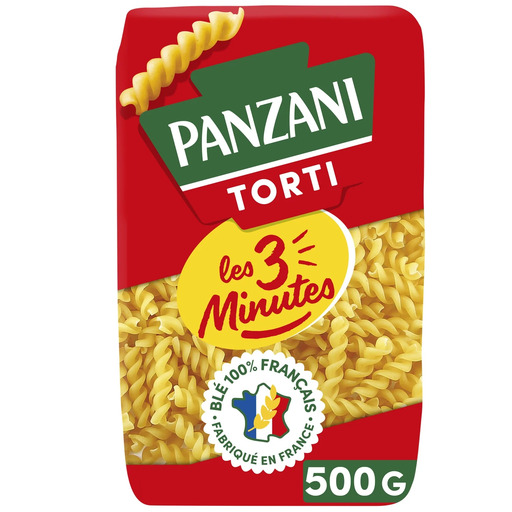 Image unavailable
Worth considering if you want to cut down on cooking time and are allowed to use a camping stove. The stated 3 minutes starts once the water is boiling. Check the allergen information on the packet, too.
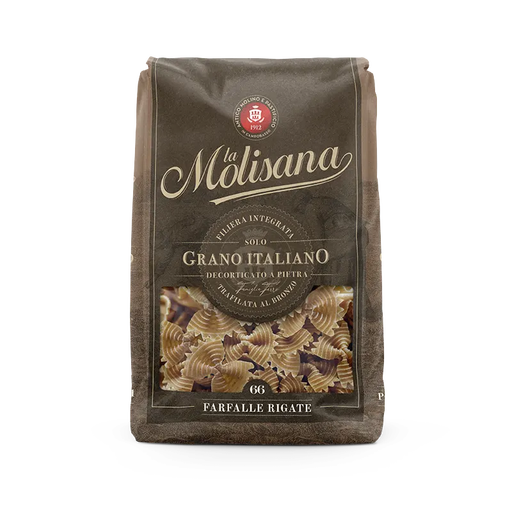 Image unavailable
A wholewheat pasta shape to compare if the recipe matters to you. Before planning a camping meal, check the packet for cooking time, nutritional information and allergens.
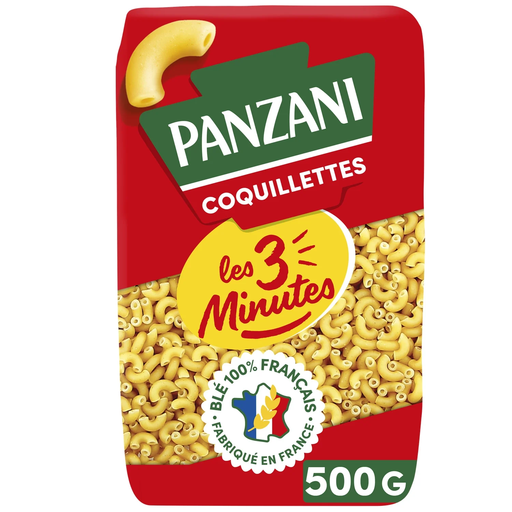 Image unavailable
Compare it with the torti if you’d prefer another short shape but still want a stated cooking time of 3 minutes. Allow time for the water to boil and check the allergen information on the exact packet.
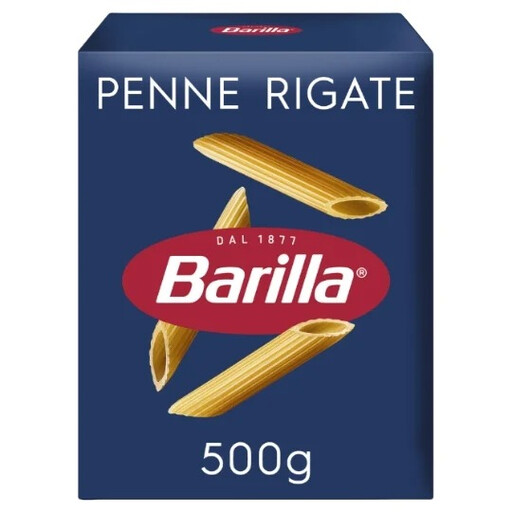 Image unavailable
A classic short pasta shape to consider if cooking time is less of a concern. Barilla gives a cooking time of 11 minutes for its Penne Rigate. Check the time and allergen information on the packet you buy.
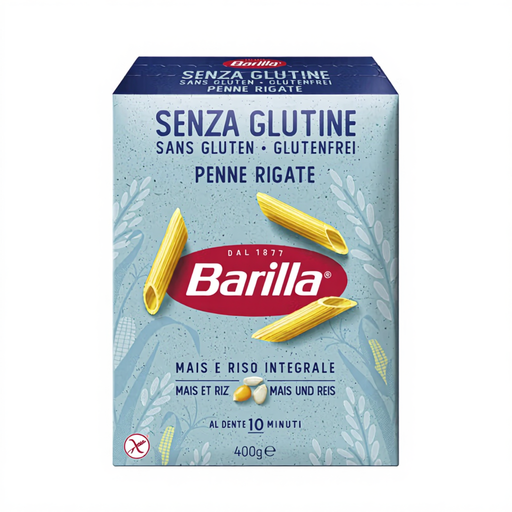 Image unavailable
If you’re looking for this variety, check the packet for its ingredients, gluten information and allergens. Check the cooking time, too, before choosing it if you have limited time to use your camping stove.
For a supply that doesn’t need to be kept chilled, choose dried pasta with packaging and storage requirements that suit your trip, rather than a product that needs constant refrigeration. Check the date and instructions on the exact packet, as well as those for any accompaniments.
A best-before date is not the same as a use-by date. According to Anses, pasta is one of the products covered by a minimum durability date. After this date, its flavour or nutritional quality may decline. Check the condition of the packet and how it has been stored, too.
Read the ingredients list, the highlighted allergens and the nutritional information for the exact product. Also compare the packet size with the meals you’re planning, and don’t assume that two shapes or recipes from the same brand are identical.
Not necessarily. Barilla lists 20 g of protein per 100 g for its Penne Rigate Protein+, but gives a cooking time of 10 minutes. Compare the nutritional information and cooking time on each packet separately.