
Livraison le jour même ou le lendemain

Qualité garantie

Débloquez vos offres de bienvenue: Livraison GRATUITE | Jusqu'à -80 % | 30 jours d'essai gratuits à JoyPlus
Téléchargez l'application
Dried mango can be tender, tangy, very sweet, spicy or even coated in chocolate. This variety is appealing, but it does not always make choosing easy. Between the origin highlighted, recipes described as « natural » and handy formats, some essential information can easily be overlooked.
Before placing your order, keep these three pitfalls in mind :
For a simple recipe, look for a short ingredients list : mango, possibly sugar, an acidity regulator or a preservative. The fruit percentage provides an initial point of comparison, but it is not enough to predict the flavour or texture.
For example, Philippine Brand Dried Mango states 74,99 % mango and 25 % sugar. Jia Jian Cheng Chu Philippine Style Dried Mangoes contains 90 % mango, along with sugar, citric acid and sodium metabisulphite. This information allows you to compare recipes on a clear, like-for-like basis.
Fat-free dried mango may suit anyone looking to avoid added oils. Some products state 0 g of fat per 100 g, but that does not mean the product is low in sugar or calories.
Dried mango slices are easy to enjoy as they are. Mango pieces, meanwhile, are a natural addition to muesli, yoghurt or a dried-fruit mix. Individual small sachets are handy for the office, while travelling or in a lunchbox.
Texture varies according to the manufacturing process and recipe :
To choose vegan, vegetarian, halal or kosher dried mango, rely on the claim shown on the product or its certification. The ingredients alone do not always allow you to draw a reliable conclusion. Philippine Brand Dried Mango is presented as suitable for vegetarian and vegan diets, and its product information lists halal and kosher certifications.
Sulphites are common in dried fruit. The packaging may, for example, state « contains sulphur dioxide and sulphites ». Once opened, reseal the sachet carefully and follow the storage instructions. Some products must be kept in the fridge, while others can be stored in a dry place away from light.
The products below are designed for different uses. When your order arrives, always check the label, particularly the best-before date, allergens and storage conditions.
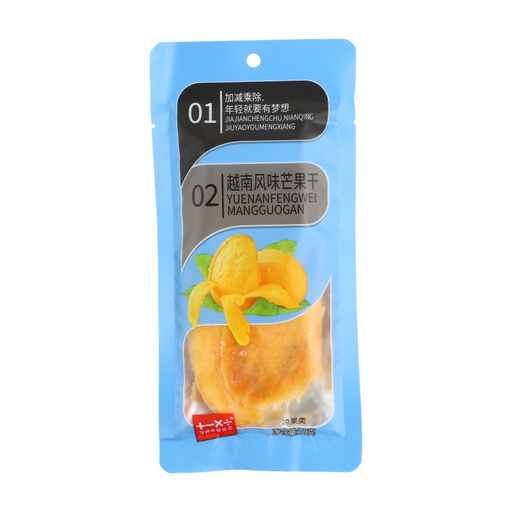
Why this choice suits this profile : At 70 g, this sachet is ideal for trying the product or enjoying an individual snack break. The stated texture is soft and tender.
The product information states 0 g of fat per 100 g and details the presence of sugar, salt, acidity regulators and preservatives : it is therefore best to check the ingredients before buying.
A ready-to-eat 70 g format, with a sweet and tangy flavour and stated fat content of 0 g per 100 g.
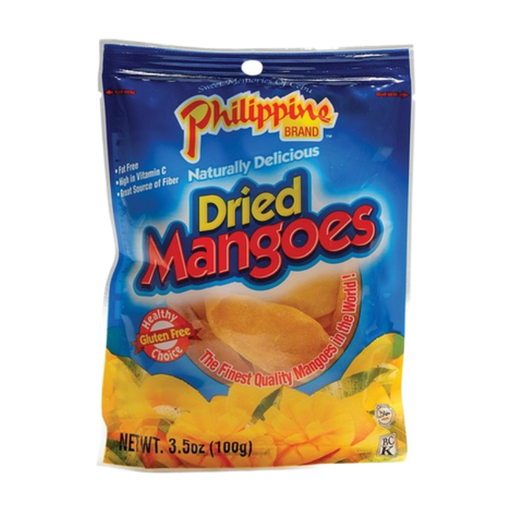
Why this choice suits this profile : Fans of Philippine mango will appreciate these soft slices with a distinct fruity flavour, supplied in a 100 g sachet.
The product information specifies the proportion of mango, added sugar, antioxidant E223 and the presence of sulphites : there is no mistaking this sweet recipe for mango made from 100 % fruit.
Halal and kosher certifications are listed. The product is presented as vegetarian and vegan, with 0 g of fat per 100 g.
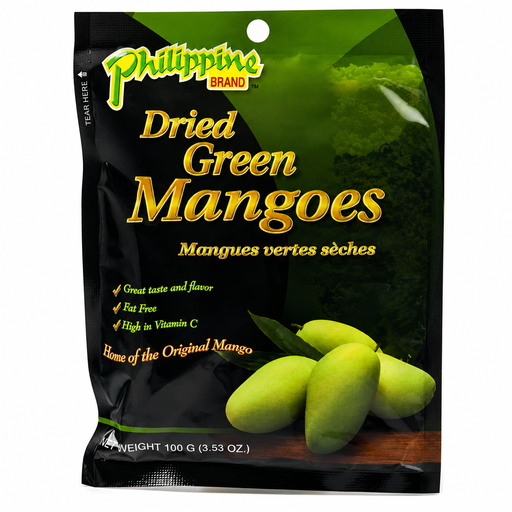
Why this choice suits this profile : Its sweet and tangy profile is aimed at those looking for a livelier alternative to classic slices, particularly for regular snack breaks.
The product information mentions a preparation made with dried green mango, with no fat, along with halal and kosher indications : dietary requirements remain easy to check.
A 100 g sachet, stated fat content of 0 g per 42 g serving and a vegetarian certification listed.
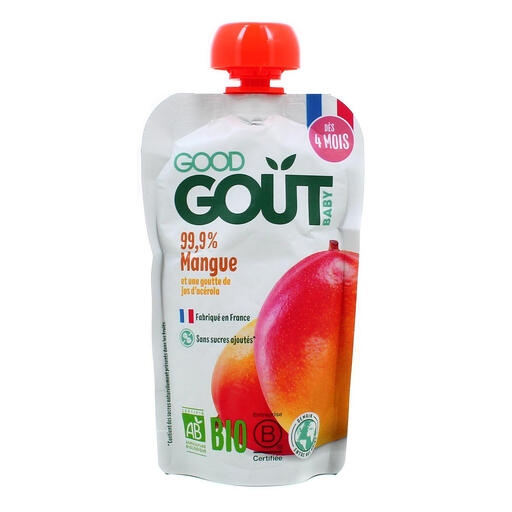
Why this choice suits this profile : According to its product information, this mango purée pouch is suitable for babies from 4 months. Easy to carry, it can be served at snack time or as a dessert.
This is not dried mango : the recipe contains 99,9 % organic mango purée and acerola juice, with no added sugar. The recommended age and storage conditions after opening must be observed.
An organic product made in France, supplied in a 120 g pouch, with no added sugar. Once opened, it should be kept in the fridge and consumed within 48 hours.
We have put together a complete, real-time-updated selection of products that meet these selection criteria and European regulatory safety requirements.
To move beyond the classics, fans of original flavours can try a mango and plum preparation, such as Be&Cheery Dried Mango with Plum, sold in twelve small sachets. The mango and tamarind version, sometimes with a hint of chilli, offers a sharper acidity. Philippine Brand Dried Mango Tamarind Balls are individually wrapped, but the recipe contains sugars, additives, colourings and sulphites.
Fancy a more indulgent treat ? NUBO White & Milk Chocolate Covered Mango contains 45 % dried mango, coated in white and milk chocolate. The product contains milk and soya, and may also contain traces of nuts or peanuts : it will therefore not be suitable for every diet.
No. Some recipes add sugar, glucose syrup or maltose, while others contain mango only. Check the ingredients list and nutrition table to distinguish between sugars naturally present in the fruit and added sugars.
It depends on the product. As a general rule, keep the sachet tightly sealed in a cool, dry place away from light. If the packaging recommends refrigeration after opening, follow that instruction as a priority. Also observe the date shown on the packet.
Mango dried using a traditional process generally remains soft and tender. Freeze-dried mango is lighter and may have a crispy texture. The right choice therefore depends mainly on the texture you want, how you intend to use it and the product’s ingredients.