
Livraison le jour même ou le lendemain

Qualité garantie

Débloquez vos offres de bienvenue: Livraison GRATUITE | Jusqu'à -80 % | 30 jours d'essai gratuits à JoyPlus
Téléchargez l'application
Choosing dried mango involves more than comparing the price and weight of the packet. Texture, fruit content, sugar, salt and additives can all make a big difference to the taste and feel. Whether you prefer soft slices, Thai mango sheets, spicy recipes or freeze-dried mango with cheese, there’s a format for every craving.
Here’s what to look out for before you order, along with a selection of products available on Joybuy.
A 100 or 120 g packet doesn’t necessarily contain the same proportion of mango as another. Some recipes list a fruit content of 74.99%, 75.18% or 90%, while others combine mango with sugar, glucose syrup or maltose. Take the time to check the ingredients list and the exact fruit content, rather than relying on the product photo alone.
Dried mango can be fat-free and still be sweet. Drying concentrates the carbohydrates naturally found in the fruit, and some recipes also contain added sugar. The claim 0 g of fat per 100 g tells you only about the fat content; it says nothing about the amount of sugar or the product’s overall composition.
Dried mango slices can be soft, fibrous, sticky or fairly firm. A small 50 or 70 g packet is easy to finish in one go, while a 500 g pack needs to be sealed particularly carefully. Most products should be stored in a cool, dry place away from direct sunlight. Once opened, reseal the packet carefully and follow the instructions on the packaging.
When comparing two products, first check where mango appears in the ingredients list. A recipe made with 90% mango, like some Philippine-style dried mangoes, gives you a clear idea of what’s in it. Other products contain sugar, acidity regulators, preservatives or flavourings.
Sulphites, including sodium metabisulphite E223, must be listed on the label when present. If you’re sensitive to these substances, read the ingredients and warnings carefully. If the recipe changes, always refer to the information printed on the packaging.
The origin can give you an idea of the flavour profile, but it isn’t enough on its own to guarantee product quality. Dried mango from the Philippines is often prized for its soft slices and tropical flavour. In Thailand, mango may be made into a fruity sheet called mamuang kuan, with a sweet and tangy flavour. Dried mango from Vietnam may come in strips with salty, tangy notes.
The term Asian dried mango covers products with a wide range of recipes and textures. Check the product listing for the country of origin, format and ingredients.
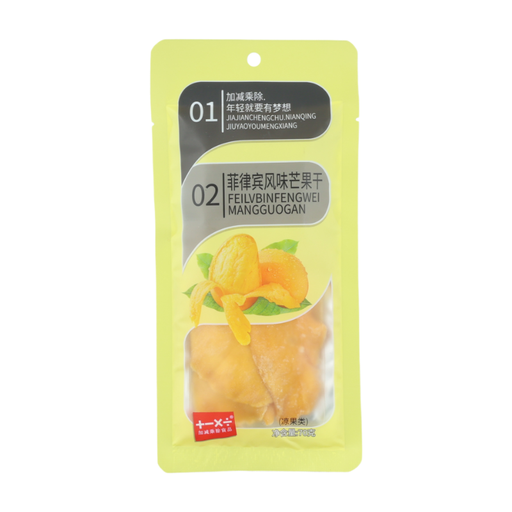
Why it’s a good match: At 70 g, this pack is ideal for a first taste or a fruity snack, without having to buy a larger pack. The product listing states that it contains 90% mango and is ready to eat straight from the pack.
The fruit content is clearly stated. However, keep an eye out for sugar, citric acid and sulphites.
A compact pack, Philippine-style preparation, ready-to-eat slices and a stated fat content of 0 g per 100 g.
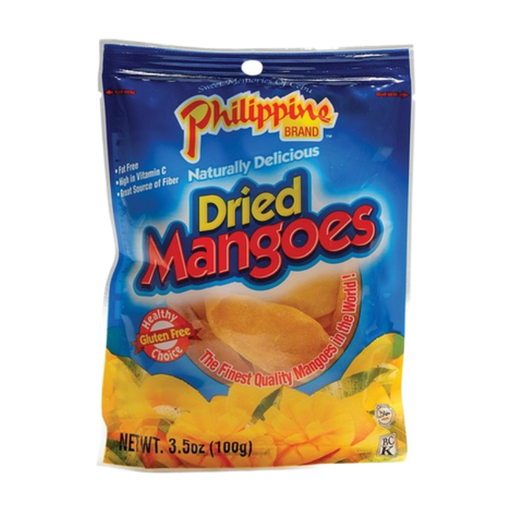
Why it’s a good match: This product features Philippine mango with a soft texture and pronounced tropical flavour. The product listing also mentions halal and kosher certifications.
The ingredients list gives the exact proportions: 74.99% mango and 25% sugar, as well as sodium metabisulphite. Sulphites are clearly declared.
Halal and kosher certifications are listed, along with a 100 g pack, a product described as vegetarian and vegan, and a stated fat content of zero.
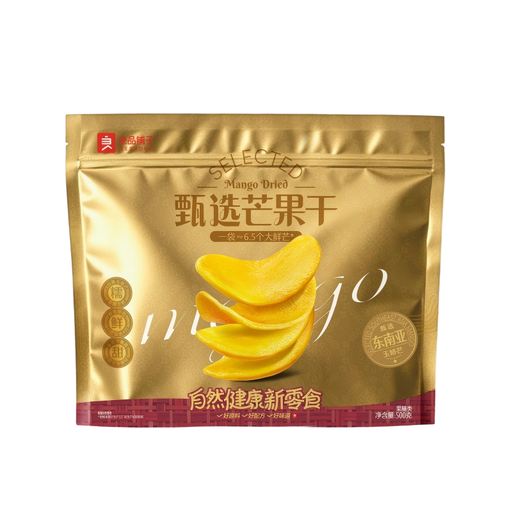
Why it’s a good match: This large pack is ideal for households and regular dried-fruit eaters who like to keep some handy for snacks, cereal or trail mix.
The product listing states that it contains at least 70% mango and specifies the presence of sugar, maltose syrup and sulphites. Compare the ingredients and price per kilo before deciding.
A 500 g pack, a texture described as soft and pleasantly chewy, and a product that’s ready to eat.
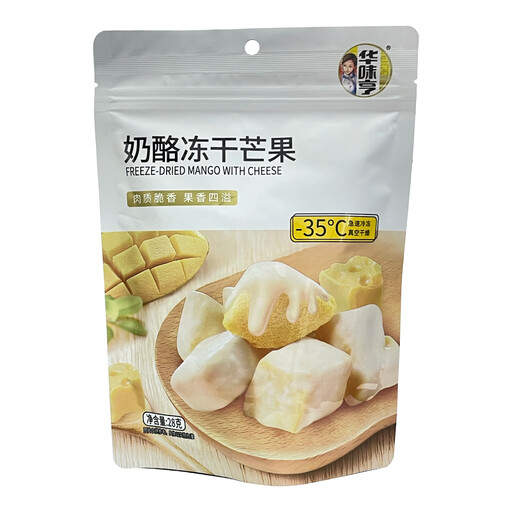
Why it’s a good match: This single-serving pack is for anyone looking for a change from traditional mango slices and keen to try a surprising combination of mango, white chocolate and cheese.
This isn’t plain dried fruit: the coating includes vegetable fat, lactose, whey, soya and cheese.
A 28 g portion, a crisp texture achieved through freeze-drying and a stated mango content of at least 50%.
We’ve brought together a comprehensive, real-time updated selection of products that meet these criteria and comply with European safety regulations.
It depends on the recipe and packaging. Keep the packet tightly sealed in a cool, dry place, and eat the product soon after opening. For soft varieties, an airtight seal helps prevent them from drying out. Always check the date and storage instructions on the packaging.
Check the ingredients list and any allergen information. Some dried mango slices are labelled vegan, while recipes containing white chocolate, milk or cheese aren’t suitable for a vegan diet. If you’re looking for halal dried mango, also check for a clear statement or certification on the product listing or packaging.
The heat varies from one recipe to another. Yan Jin Pu Zi Chili Dried Mango Snack combines sweet, tangy and spicy notes, with large slices described as soft. To find out how hot it is, check the ingredients and product information before ordering.