
Livraison le jour même ou le lendemain

Qualité garantie

Débloquez vos offres de bienvenue: Livraison GRATUITE | Jusqu'à -80 % | 30 jours d'essai gratuits à JoyPlus
Téléchargez l'application
Dried legumes let you prepare economical, filling and varied meals. But not all of them cook the same way. Between beans that need a long soak, red lentils that cook quickly and large packs that can be tricky to store, the choice can quickly become a headache.
Before buying dried beans, lentils or an Indian dal, there are three pitfalls that are particularly easy to avoid.
Dried legumes keep for a long time and generally offer a good cost per portion. The trade-off is that they need a bit of preparation. Red kidney beans, black-eyed beans, adzuki beans and whole mung beans usually need to be rinsed, soaked and then cooked.
Frozen or tinned products, on the other hand, are much quicker to use. HÜNKAR green beans in 450 g and 800 g packs, for example, are stored at -18 °C and make it easy to prepare a side dish. However, they cannot replace dried legumes in a curry, dal or hearty stew.
Nutritional values can vary significantly depending on the variety, format and state of the product. To compare properly, look at the figures per 100 g and check whether they refer to the dried, cooked or ready-to-eat product.
For example, the labels show around 22 g of protein and 23 g of fibre per 100 g for Valle Del Sole red kidney beans. The 500 g red split lentils, meanwhile, show 24 g of protein and 18 g of fibre per 100 g. These figures are for the dried products and therefore do not directly correspond to the values of a cooked portion.
A 2 kg bag can be cost-effective for a family or someone who cooks regularly. However, it takes up space and needs careful storage. For trying out a recipe or adding variety to your cooking, a 400 g to 900 g pack is often more practical.
Also remember to check for any possible allergens. Some TRS products indicate the possible presence of gluten and tree nuts, even when the ingredient list mentions only a single legume.
The form of the seeds directly affects cooking time and the final texture:
Compare the price per kilogram rather than the price on the pack. Formats of 900 g to 1 kg suit households that cook several dishes in a month. 2 kg bags are more for heavy users, particularly for red lentils or mung beans.
To estimate the real cost simply, divide the pack price by the number of portions you get after cooking. The weight of legumes increases as they absorb water, but the final volume depends on the variety and cooking time.
Dried legumes should be stored in a cool, dry, clean place away from light. After opening, put them in an airtight container to protect them from moisture and pests.
Always rinse the seeds before cooking. Dried red kidney beans must be cooked through after soaking, following the instructions on the pack. For black-eyed beans, soaking for several hours can reduce cooking time. Red split lentils generally need less preparation: you usually just need to rinse them before cooking directly.
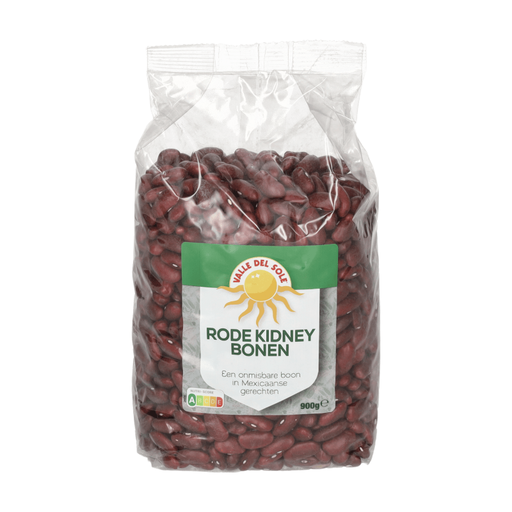
Why this choice suits this profile: At 900 g, this pack lets you make salads, chilli, stews or rice dishes without having to commit to a family-sized bag straight away.
The label lists a single ingredient with no declared allergens, along with the storage instructions to follow after opening.
900 g of 100% red kidney beans, with 22 g of protein and 23 g of fibre stated per 100 g of dried product.
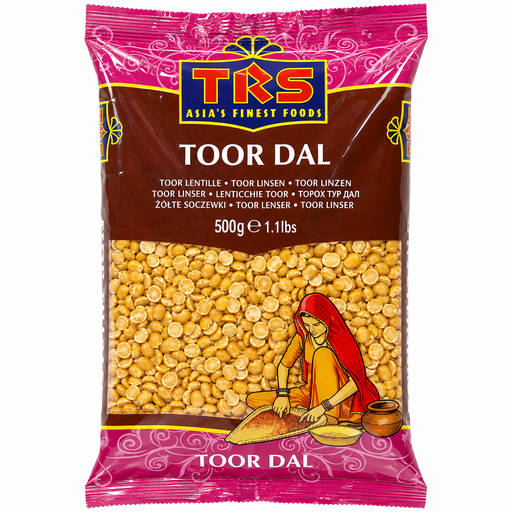
Why this choice suits this profile: This targeted format is for those who want to make an Indian dal, sambar or dal fry with a specific legume.
The pack states it contains 100% toor dal and details the storage conditions after opening.
500 g, with no declared allergens, suitable for vegetarian and vegan recipes according to the product listing.
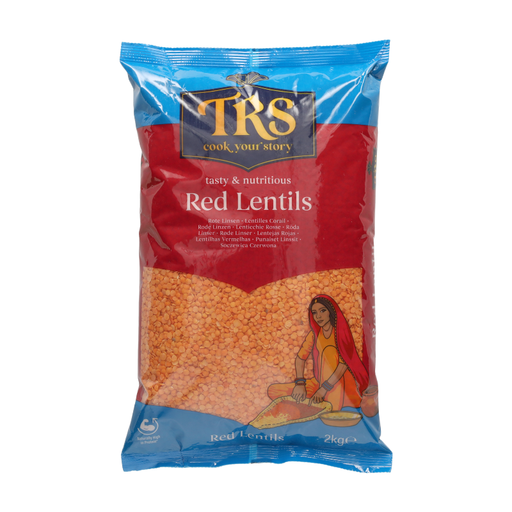
Why this choice suits this profile: This large pack is ideal for families and those who regularly make soups, dals and vegetarian stews.
The large format saves you from making multiple purchases, while the label clearly indicates possible traces of gluten and tree nuts.
Red split lentils in a 2 kg bag, suitable for dals, soups and side dishes with basmati rice.
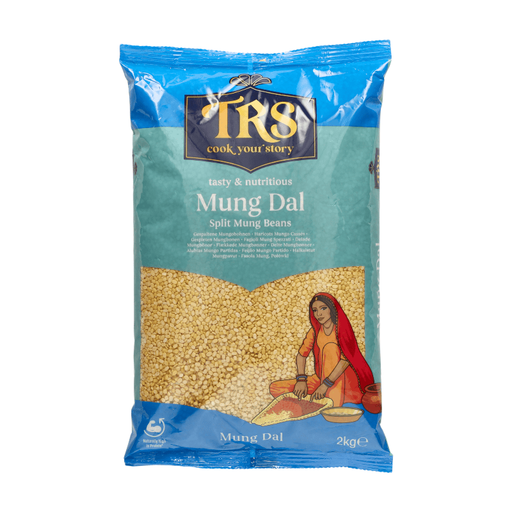
Why this choice suits this profile: Hulled and split, mung dal works well in mild dishes, khichdi, soups and many Asian and Indian grocery recipes.
Its split and hulled form reduces the preparation steps compared to whole mung beans.
A 2 kg bag containing 100% mung dal, with 25 g of protein stated per 100 g and suitable for use in khichdi.
We have put together a comprehensive, real-time updated list of products that meet these strict selection criteria and European safety regulations.
Once you have opened the pack, pour the contents into a jar or airtight container and, if possible, note the opening date. Avoid damp cupboards, especially near the sink or hob. Always respect the date on the packaging and check the appearance, smell and for any insects before cooking.
For dried beans:
Red lentils, toor dal and chana dal can usually be rinsed and then cooked directly or after a short soak, depending on the recipe. Split peas follow a similar logic, but their texture becomes particularly soft in soups and purées.
The price per kilogram is often lower for a dried product, but you need to factor in soaking time, cooking time and the energy used. Large formats can reduce the cost per portion if you use them regularly. For occasional use, a tin or a small pack can sometimes help limit waste.
The shelf life depends on the date on the packaging and the storage conditions. Keep the product at room temperature, in a dry place, and put it in an airtight container after opening. Do not use a pack that shows signs of moisture or infestation.
No. Red split lentils generally cook without a long soak, whereas red kidney beans, black beans, black-eyed beans and some adzuki beans benefit from soaking. For cooking times and preparation steps, always follow the instructions on the packaging.