
Livraison le jour même ou le lendemain

Qualité garantie

Débloquez vos offres de bienvenue: Livraison GRATUITE | Jusqu'à -80 % | 30 jours d'essai gratuits à JoyPlus
Téléchargez l'application
Pulses are a cornerstone of a healthy, budget-friendly diet. Rich in plant-based protein, fibre, and nutrients, they lend themselves to countless recipes. However, buying dried legumes online can quickly become a headache. Between beans that stay hard after hours of cooking and vague origin labels, it's easy to make a mistake.
As the Head of Product Recommendations at Joybuy, my mission is to help you cut through the noise. Let's forget the marketing jargon and focus on the facts. Here are the pitfalls to be aware of and the objective criteria to ensure you never make the wrong choice again.
Buying Dried Legumes: The 2 Main Pitfalls to Avoid
To avoid disappointment, focus on these three key points. They are far more reliable than any advertising claim.
An excessively long cooking time is the unmistakable sign of a product that has been sitting in a warehouse for too long. Reputable producers indicate a precise and realistic cooking time on the packaging. For example, good quality green lentils generally don't require soaking and cook in 20-25 minutes. If a package of white beans indicates a cooking time of over two hours after soaking, be wary.
For complete transparency, look for clear information about the country of cultivation. Labels like Organic (AB) guarantee compliance with strict standards, without synthetic chemical pesticides or fertilisers. Statements like "'Harvested in France'" or Protected Geographical Indications (PGI), such as for Puy green lentils, offer far superior traceability. Choosing organic dried legumes with a certified origin is a true guarantee of quality.
Not all legumes are suited for the same purpose.
Identifying the end use for your purchase is therefore the key to choosing the right variety.
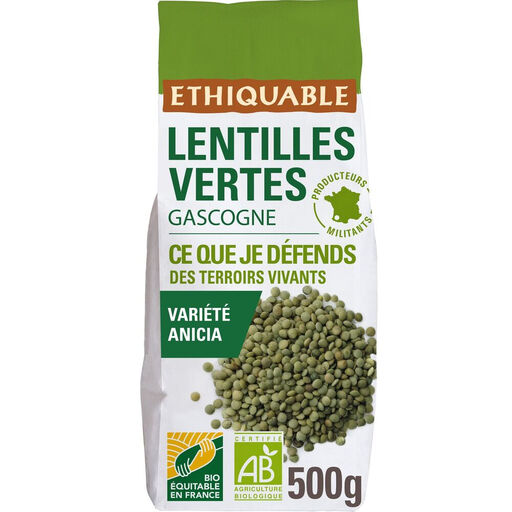
The sensible choice: For those who make no compromises on quality or ethics. These lentils are organically grown and fair-trade certified, with a clearly displayed French origin. Their quick, no-soak cooking is a real everyday convenience.
The dual organic and fair-trade certification, coupled with French origin, ensures perfect traceability and cuts through label ambiguity. The short cooking time (20-25 min) is a sign of freshness.
High in plant-based protein (24%) and fibre. No soaking required, which radically simplifies meal prep.
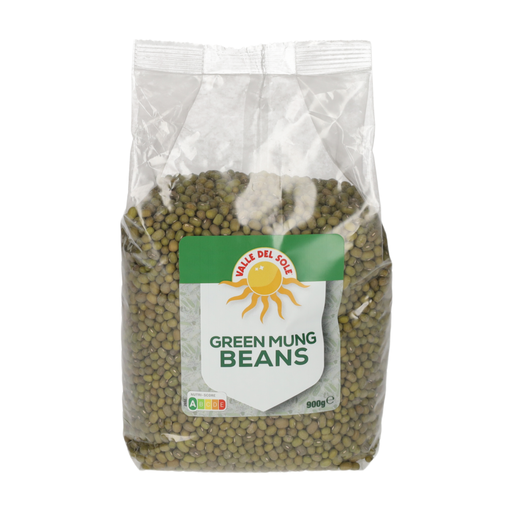
The discovery choice: The mung bean is incredibly versatile. Perfect for cooks who love to experiment, it's great in Asian soups, salads, curries, and can even be sprouted at home for maximum freshness.
By choosing a more specific legume like the mung bean, you're opting for a product that meets a precise need, often offered by specialised brands with better stock rotation.
Very easy to digest and quick to cook (after soaking). Its mild flavour and tender texture make it an excellent base for many legume recipes.
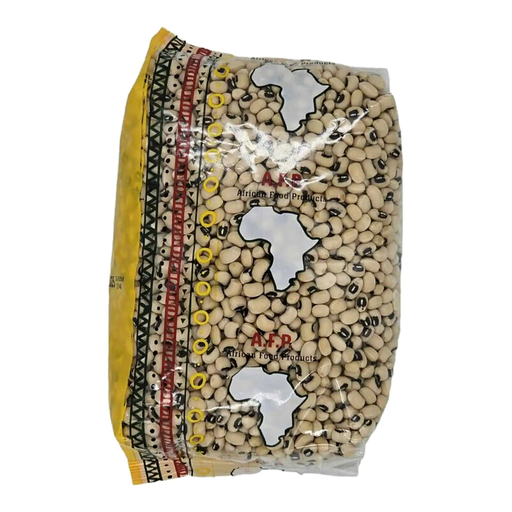
The smart choice: The 900g size is ideal for planning meals for the week. The black-eyed pea is a comforting classic with a creamy texture and delicate taste that everyone loves, perfect for many stews or salads.
Opting for a large format from a recognised brand often means faster stock turnover, which minimises the risk of getting an old batch. It's a pragmatic and economical choice.
Excellent value for money. Naturally gluten-free and rich in plant-based protein and fibre, it provides a nutritious base for complete meals.
We have compiled a complete list of products that meet our strict selection criteria and current regulations.
No, not always. Smaller legumes like green, coral, or black lentils, as well as split peas, generally do not need soaking. For larger ones (chickpeas, white or red beans, etc.), soaking for 8 to 12 hours in cold water is highly recommended. This step not only reduces cooking time but also significantly improves their digestibility.
The secret? Store them away from light, heat, and moisture. Once the package is opened, transfer them to an airtight glass jar and place it in a cool, dark cupboard. Ideally, they should be consumed within a year of purchase to guarantee optimal texture and cooking time.
Canned is an excellent alternative for busy days. The legumes are pre-cooked and ready to use. Nutritionally, they remain very beneficial, although a small portion of water-soluble vitamins may be lost in the canning liquid. Just remember to rinse them before cooking to remove excess salt. Ultimately, the choice depends mainly on your time and kitchen organisation.