
Livraison le jour même ou le lendemain

Qualité garantie

Débloquez vos offres de bienvenue: Livraison GRATUITE | Jusqu'à -80 % | 30 jours d'essai gratuits à JoyPlus
Téléchargez l'application
Move beyond the humble teabag. Dried hibiscus flowers are the key to a world of flavour and tradition. As the star ingredient in West Africa's bissap, Egypt's karkade, and Latin America's agua de Jamaica, they transform water into an intense, ruby-red drink that is tart, fruity, and deliciously refreshing. And it's all completely caffeine-free.
But with increasingly crowded shelves, how do you make the right choice? This guide is here to help you navigate the options and find the perfect hibiscus flowers for your needs, whether you're dreaming of an authentic hibiscus tea or looking to incorporate them into your recipes.
To ensure you make the right choice, a few simple criteria make all the difference. Here are the key points to check before you buy.
For bissap and other traditional drinks, the undisputed star is Hibiscus sabdariffa. Its deep red calyxes promise an intense ruby colour and that signature tart flavour.
Less common but just as captivating, white hibiscus offers a different experience. Its brew is softer and more delicate, revealing subtle floral notes with a much milder acidity. It's the perfect alternative for those who prefer subtlety or want to create syrups and jellies without the red colouring.
The quality of an edible dried flower is first judged by sight. Avoid powders and broken bits; opt for whole calyxes or large pieces instead. This indicates a careful harvesting and drying process, which guarantees maximum aroma. An intact flower is one that has retained all its fragrance. Sun-drying, a classic traditional method, is often a hallmark of quality as it concentrates the plant's flavours.
The right hibiscus flower for every project. Your choice will naturally depend on what you plan to do with it:
To help you get started, we've selected a few products that caught our eye for their quality and versatility.
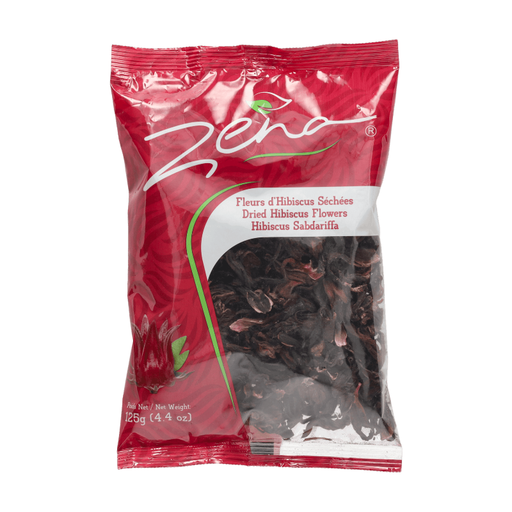
Why we love it: This is a reliable choice for anyone wanting to experience the authentic taste of bissap. The traditional sun-drying method ensures the plant is respected and all its aromas are preserved.
Highlights:
Who is it for? For lovers of traditional African and Caribbean drinks, and for anyone looking for a high-quality, reliable, and flavourful base for their creations.
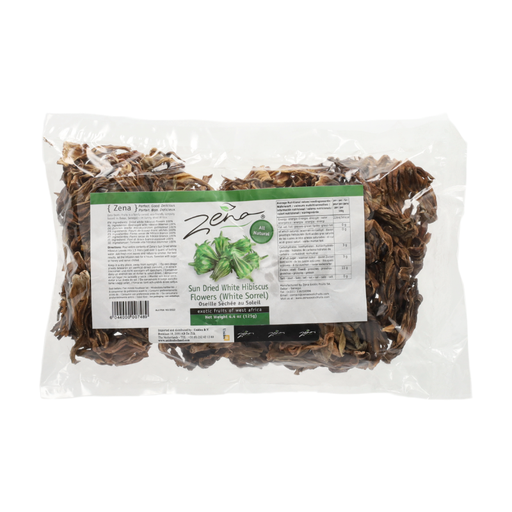
Why we love it: This is the rarer, more delicate alternative to red hibiscus. These white flowers are an invitation to discover another side of the plant, with soft, floral notes.
Highlights:
Who is it for? For curious palates eager to explore more subtle floral flavours, or for those who find the sharp acidity of red hibiscus a bit off-putting.
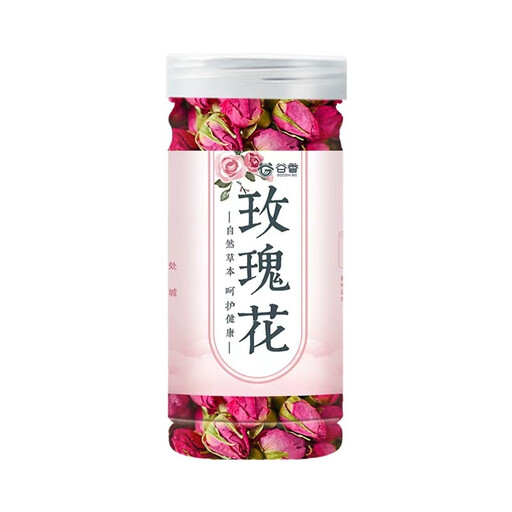
Why we love it: Because a floral infusion isn't truly complete without rose! These buds, from the Pingyin region of China, are renowned for their particularly intense fragrance.
Highlights:
Who is it for? For fans of floral infusions, pastry chefs seeking a touch of originality, and all the aspiring mixologists who love creating their own blends.
Nothing is simpler than making your own hibiscus tea. Here is a basic bissap recipe that you can customise to your liking.
Ingredients:
Instructions:
Hibiscus is just the beginning of the adventure! Many other edible dried flowers can elevate your drinks and dishes. Rose, chamomile, lavender, cornflower... each offers a unique palette of flavours and colours.
To go further and let your creativity shine, explore our full selection in the Edible Flowers category.
Fundamentally, they are all the same delicious drink made from dried hibiscus flowers. Only the name changes depending on the part of the world: it's called bissap in West Africa, karkade in Egypt and Sudan, sorrel in the Caribbean, and agua de Jamaica in Latin America. Hibiscus tea and hibiscus infusion are simply more generic terms.
Absolutely not. Hibiscus tea is a naturally caffeine-free drink. This makes it an excellent alternative to tea or coffee, perfect for enjoying at any time of day (or night!).
To preserve their full flavour and beautiful colour, store your hibiscus flowers in an airtight jar or container, away from light, heat, and moisture. A cool, dry kitchen cupboard is ideal.