Fat content is your priority
You want to distinguish plain dried fruit from nuts, rather than relying on a ‘no added salt’ claim. Compare the ‘fat’ figure per 100 g on each pack.


If fat content is your top priority, compare plain dried fruit with nuts using the figures for the specific product. Carrefour Bio dried apricots contain 0 g per 100 g, compared with 52 g per 100 g for Auchan almonds with no added salt. Nuts can still be an option if you prefer this type of snack and portion out a small handful. With dried fruit, also bear in mind its naturally occurring sugars and Manger Bouger’s advice to eat it occasionally.
You want to distinguish plain dried fruit from nuts, rather than relying on a ‘no added salt’ claim. Compare the ‘fat’ figure per 100 g on each pack.
You’d like to include almonds, walnuts or hazelnuts in your snacks without eating straight from the pack. Manger Bouger recommends a small handful of unsalted, unsweetened nuts with no chocolate.
The ingredients list and any ‘may contain’ warnings come before other considerations. Product listings for Auchan and Monoprix almonds mention possible traces of other allergens, so check the packaging of the product you buy.
Consider this: if you’re comparing snacks by fat content first.
Bear in mind: Manger Bouger notes that dried fruit is naturally high in sugars and recommends eating it occasionally.
Consider this: if you prefer almonds, walnuts or hazelnuts and can portion out a small handful.
Bear in mind: having no added salt does not reduce their fat content; the Auchan almonds mentioned contain 52 g per 100 g.
| Criterion | What to check | Who is this for? |
|---|---|---|
| Fat | The figure per 100 g, then the amount in the portion you plan to eat; check for any added oil or coating. | If my main aim is to reduce fat, I want to know what’s in the specific product I’ve chosen, whether it’s dried fruit, nuts or a mix. Around 36% of consumers prioritise this criterion. |
| Sugars and added ingredients | The ingredients list and the ‘of which sugars’ figure; don’t confuse ‘no added sugars’ with total sugar content. | If I want a snack with no added sugar or coating, I also need to check the sugars naturally present in the fruit itself. Around 29% of consumers put controlling sugars and added ingredients first. |
| Portion | The stated portion size, if there is one, and a pack size you can divide up before eating. | When I have a snack during the day, being able to prepare the amount I’m going to eat matters more than the size of the pack. Around 21% of consumers prioritise portioning above all else. |
| Allergens | Allergens in the ingredients and any ‘may contain’ warnings on the product packaging. | If I need to avoid an ingredient, the contents of a mix and any possible traces determine my choice before anything else. Around 14% of consumers prioritise whether a product meets these requirements. |
These claims refer to two different things. Auchan almonds with no added salt contain 52 g of fat per 100 g.
If fat is your top priority, check the figure per 100 g and compare it with the portion you plan to eat.
A Carrefour mix of raisins and nuts contains 27 g of fat per 100 g; its sultanas contain cottonseed oil.
Check the full ingredients list and nutritional information for the specific mix, even if its name simply suggests dried fruit.
Manger Bouger says that dried fruit is naturally high in sugars. So a claim about added sugars alone doesn’t tell you the total sugar content.
Check the ‘of which sugars’ figure and decide how much you want to serve, rather than eating straight from the pack.
Product listings for Auchan and Monoprix almonds mention possible traces of other allergens. Instructions for storing a product after opening can also vary by product.
Check the packaging of the batch you buy for ingredients, traces and storage instructions, especially if you choose a mix.
These retailers offer a range of products to compare, but the name alone won’t tell you what’s in each pack.
The retailer offers dried fruit, nuts and mixes, among other products.
E.Leclerc DRIVE lists dried fruit in its online catalogue, with collection and delivery options.
The retailer lists prunes and dried apricots separately from its almond products.
The Alesto brand range distinguishes between plain nuts, dried fruit and savoury snacks.
Aldi is another retailer where you can compare the dried fruit available.
A Monoprix blanched almonds product listing details the ingredients and possible allergen traces.
These dried fruit products are worth considering if you’re comparing fat content; the last one is flavoured with bamboo salt. For each product, check the ingredients, sugars and the portion you plan to eat on the packaging.
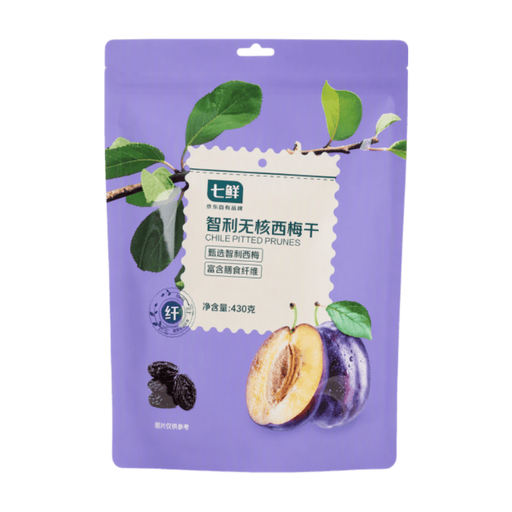 Image unavailable
An option to consider if you prefer prunes and want to portion them out yourself. The pack contains 430 g; check the nutritional information on the pack for fat and sugar content.
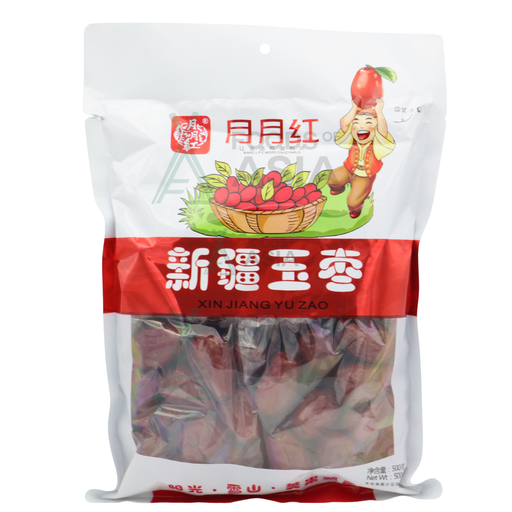 Image unavailable
Worth comparing if you’d prefer dried jujubes to nuts. The pack contains 500 g; check the ingredients and figures per 100 g, then decide how much you’ll serve.
 Image unavailable
Consider this if you’re looking for pitted jujubes in a 280 g pack. Check the fat and sugar figures per 100 g on the pack before deciding on your portion.
 Image unavailable
This other pitted option may suit you if you’re looking for a 500 g pack. Don’t assume it has the same nutritional values as the 280 g Haoxiangni variety; compare the labels.
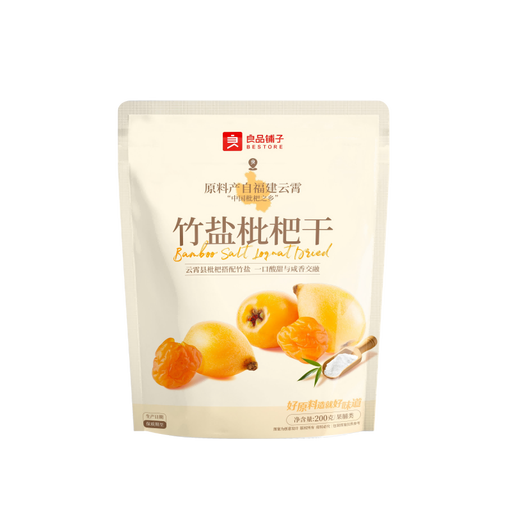 Image unavailable
If you’re considering a flavoured option rather than plain dried fruit, take a look at this 200 g pack. Check the ingredients list, salt, sugars and allergens before choosing it.
Don’t assume that’s true of every product: compare the figures on the packaging. For example, Carrefour Bio dried apricots contain 0 g of fat per 100 g, while Auchan almonds with no added salt contain 52 g per 100 g.
No. This claim doesn’t tell you the total amount of sugars. Manger Bouger notes that dried fruit is naturally high in sugars and recommends eating it occasionally. Check the ‘of which sugars’ figure and choose how much you’ll serve.
Prepare your portion before you start eating, rather than reaching into the pack. Manger Bouger recommends a small handful a day of unsalted, unsweetened nuts with no chocolate; this doesn’t mean they’re low-fat products.
Check the highlighted ingredients and any ‘may contain’ warnings on the packaging of the product you buy. The French Directorate-General for Competition Policy, Consumer Affairs and Fraud Control says that allergenic ingredients must be highlighted on food labels.