Parents comparing fat content
When preparing snacks for the school holidays, you want to tell dried apricots, raisins and prunes apart from nuts and mixes, then check the ‘fat’ value for the product you choose.


If fat content is your main consideration when choosing a school holiday snack, start by comparing dried fruit sold on its own rather than assuming a nut mix is a suitable choice based on its name alone. Labels for specific apricot and raisin products show fat values that can be compared per 100 g, but this tells you nothing about sugars or added ingredients. If you’re choosing for a child, check for allergens too and pick a texture that’s suitable for their age.
When preparing snacks for the school holidays, you want to tell dried apricots, raisins and prunes apart from nuts and mixes, then check the ‘fat’ value for the product you choose.
You’re looking for an easy-to-pack snack without mistaking a low fat content for a low sugar content. The ingredients list matters too, particularly for soft-textured products.
If you’re choosing for a young child or someone with an allergy, the product’s form and the allergens listed on the pack may matter more than a single nutritional value.
When comparing school holiday snacks, first distinguish dried fruit sold on its own from nuts and mixes. Then check the nutritional values and ingredients on the pack you’re considering.
| What to check | What to look for | Who is it for? |
|---|---|---|
| Fat | Compare the fat content per 100 g and check whether the pack contains a single type of dried fruit or a mix with nuts. | If you’re planning a snack based on dried fruit rather than nuts, check this before choosing a recipe: around 33% of consumers prioritise fat content. |
| Sugars and ingredients | Check ‘of which sugars’ per 100 g and read the ingredients list. Auchan and E.Leclerc product listings give values of 41 g for soft apricots and 63.7 g for golden raisins, respectively. | If sugar content or added ingredients determine which snack you’ll serve, around 25% of consumers put this need first. |
| Texture and allergens | Choose a form that’s suitable for the child’s age and check the packaging for allergens, including nuts or sulphites, depending on the recipe. | If a young child will be eating the snack or an allergen needs to be avoided, choosing a safe option comes first. This is the main consideration for around 25% of consumers. |
| Pack size | Check the net weight and storage instructions after opening to find a pack that’s easy to carry or portion out. | For days out during the holidays, some consumers prioritise packaging that’s easy to carry and use; around 17% put this first. |
The same aisle can contain dried fruit, nuts and mixes. The Carrefour Bio mix mentioned in its product information includes raisins, walnuts, cashews, hazelnuts and almonds. The name alone isn’t enough to judge what’s in it.
If you’re comparing fat content, check the exact product’s value per 100 g and read its ingredients list.
A low value on this line doesn’t mean the product is low in sugars. Ameli points out that dried fruit also contains sugars.
Compare ‘fat’ and ‘of which sugars’ on the same per-100 g basis, then consider how much you’ll serve as a snack.
Whole nuts need particular care when serving them to young children because of the risk of choking.
Before planning to serve walnuts or almonds as a snack, check that their form is suitable for the child’s age. Don’t treat a mix as if it were simply a bag of raisins.
Recipes vary: an E.Leclerc soft raisin product lists water and a preservative, while Auchan soft apricots list sulphites.
Read the ingredients and allergen information on the specific pack, particularly if an ingredient needs to be avoided.
The retailer offers products including dates, raisins, prunes, figs, soft apricots and mixes under its own brands.
The ranges mentioned include raisins, apricots, prunes and mixes, sold under several of the retailer’s brands.
Its categories include dried apricots and prunes, raisins and nuts.
The Alesto range includes dried fruit, nuts and savoury snacks.
Products mentioned include Trader Joe’s raisins and mixes of seeds, nuts and raisins.
Its dried fruit category includes raisins, dates, apricots and prunes, sold under its own brand and other brands.
These dried raisin, prune and jujube products give you some fruit options to consider instead of nut mixes. Check the label on each pack before planning a snack for a child.
 Image unavailable
A pack of dried jujubes to consider if you’d prefer fruit rather than a nut mix for a snack. The title says the fruit is pitted; check the nutritional values, allergens and texture before serving it to a child.
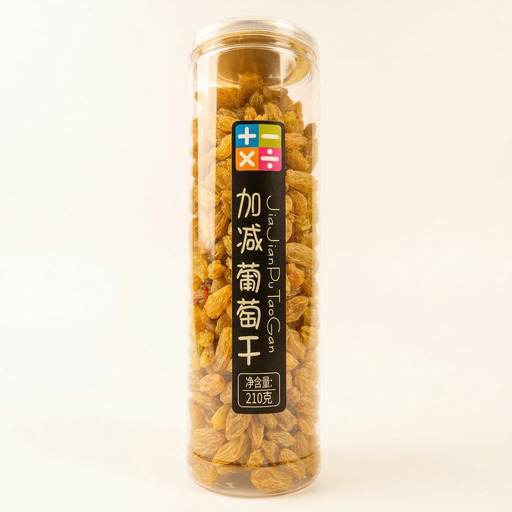 Image unavailable
Worth considering if you’d like to take dried raisins along for a snack. Check the pack for fat and sugars per 100 g, as well as the ingredients and allergen information.
 Image unavailable
This 280 g pack is worth comparing if you’re looking for dried jujubes rather than a mix. Although the title says they’re pitted, you should still check the texture, allergens and sugars on the packaging.
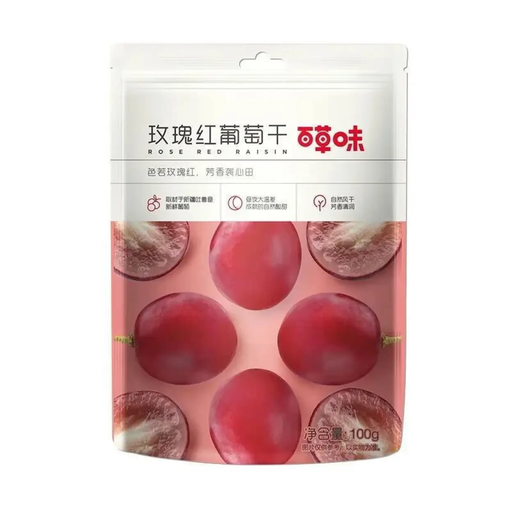 Image unavailable
The 100 g pack may be a handy option if pack size matters for a snack on the go. Check how much you’ll serve, then read the label for sugars, fat and ingredients.
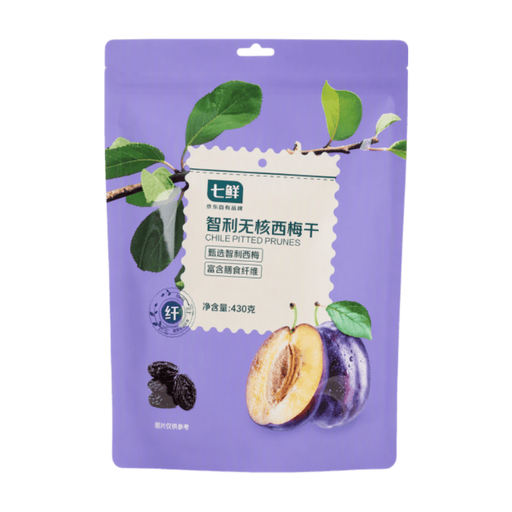 Image unavailable
These prunes offer another type of dried fruit to compare for snacks. The title says the pack contains 430 g; check the ingredients, nutritional values and texture before serving them to a child.
Start with products sold on their own, such as apricots, raisins or prunes, and check the ‘fat’ value per 100 g. Carrefour Bio, Auchan and E.Leclerc product listings give values of 0 g for organic soft apricots, 0.8 g for another soft apricot product and 0.7 g for golden raisins, respectively. These values apply to those specific products, not every variety.
No: these two lines provide different information. Ameli points out that dried fruit is high in sugars. Check ‘of which sugars’ per 100 g and consider how much you’ll serve, even if the fat value suits you.
Whole nuts can pose a choking risk for young children. If you’re thinking of including them in a snack, choose a form that’s suitable for their age rather than giving them a mix to pick at straight away.
Read the ingredients list on the specific pack: according to the DGCCRF, allergenic ingredients must be highlighted on prepacked food labels. This is particularly important for mixes containing nuts and recipes that list sulphites.
Follow the storage instructions on the pack you’ve bought, particularly those that apply after opening. They can vary from one recipe to another, so check them before dividing the contents between several snacks.