Active people prioritising fat content
When choosing a snack to take with you after exercise, your first step is to compare plain dried fruit and the ‘fat’ line in the nutritional information per 100 g.


If keeping fat to a minimum is your top priority for a post-exercise snack, start by comparing plain dried fruit with mixes containing nuts, using the figures per 100 g. The product listings for Tablier Blanc raisins at E.Leclerc and a BENENUTS mix at Auchan show how much two products can differ. But be sure to check the sugars, protein, ingredients and allergens in the product you choose, too.
When choosing a snack to take with you after exercise, your first step is to compare plain dried fruit and the ‘fat’ line in the nutritional information per 100 g.
You’re considering a nut mix and want to check its protein content without losing sight of the fat content. The Tablier Blanc listing from E.Leclerc and the BENENUTS listing from Auchan show how these criteria can lead to different choices.
Before choosing a mix or flavoured product, check the ingredients and allergens listed on the packaging. The DGCCRF reminds consumers that allergenic ingredients must be highlighted on the label.
To choose between plain dried fruit and nut mixes, start with your top priority, then compare the nutritional information per 100 g and the ingredients in each product.
| Criteria | What to check | Who is it for? |
|---|---|---|
| Fat | Compare the ‘fat’ figure per 100 g and check the ingredients if you want to avoid added oil. | If keeping fat to a minimum is my main priority, I need to distinguish plain dried fruit from a mix containing nuts. Around 45% of consumers would put reducing fat first. |
| Carbohydrates and protein | Check carbohydrates, sugars and protein per 100 g, while keeping an eye on the fat content. | After exercise, I may prefer to compare several aspects of my snack rather than choosing based on a single figure. For around 33% of consumers, the main priority would be finding a balance between carbohydrates and protein. |
| Ingredients and allergens | Check the ingredients, highlighted allergens and the ‘salt’ figure, particularly for mixes. | If I need to avoid a particular nut or ingredient, the ingredients list matters more than the overall nutritional profile. This would be the top priority for around 22% of consumers. |
The term can refer to both dried fruit and nuts. E.Leclerc lists 0.9 g of fat per 100 g for its Tablier Blanc raisins; Auchan lists 34 g per 100 g for a BENENUTS mix of raisins and nuts. These figures apply to these two products, not to every product in their respective categories.
If fat is your priority, compare the figures per 100 g for the specific dried fruit and mix you’re considering.
Although the BENENUTS mix is described as unsalted on Auchan’s listing, it still contains 34 g of fat per 100 g. The salt claim alone doesn’t tell you anything about the other nutritional values.
Check salt, fat and protein separately before choosing a mix.
A fruit-based product may contain other ingredients. Its name or picture is no substitute for the ingredients list.
Read the list if you’re looking for a single-fruit product or want to avoid added oil.
Its dried fruit and nut aisle lets you browse dried fruit, nuts and mixes.
The Tablier Blanc and Couleurs Vives ranges include dried fruit and nut products.
Its range includes separate categories for raisins, dates, prunes, nuts and mixes.
According to Lidl France, the Alesto range includes nuts, dried fruit and savoury snacks.
The Monoprix Courses range includes dried fruit, such as Monoprix Bio raisins.
These dried jujube and apricot products are options to consider when choosing a fruit-based snack after exercise. If you’re looking for a specific fat content, compare the nutritional information on the packaging. Check the ingredients in prepared fruit products, too.
 Image unavailable
Worth considering if you’re looking for pitted jujubes to take with you as a snack. Before deciding whether this product suits your needs, compare the fat, sugars and protein per 100 g shown on the packaging.
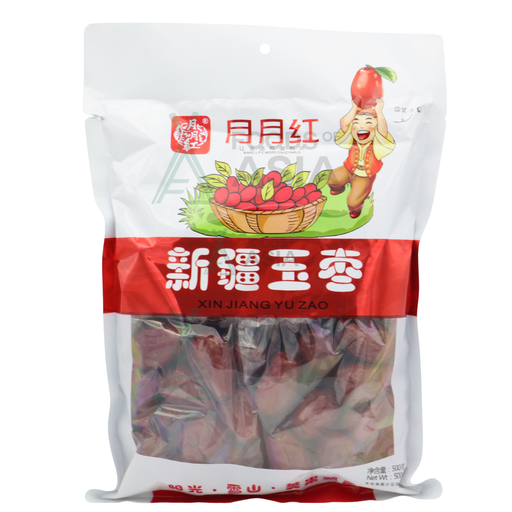 Image unavailable
Worth comparing if you’d prefer a 500 g pack of dried jujubes. Check the nutritional information per 100 g, along with the storage instructions and allergen information on the packaging.
 Image unavailable
This 500 g pack of pitted jujubes is useful for comparing pack sizes. If allergens or ingredients are key to your choice, check the packaging before eating.
 Image unavailable
Worth considering if you’d prefer dried apricots to jujubes. Compare the fat, sugars and salt per 100 g, and check the allergens listed on the packaging.
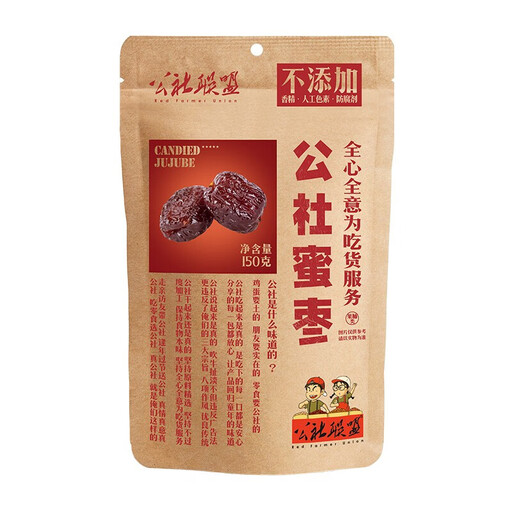 Image unavailable
This 150 g pack of prepared jujubes is different from plain dried fruit. If sugars are also a factor in your choice, check the ingredients list and nutritional values. Even with a product described as pitted, take care when eating in case any stones remain.
No. The term can cover both dried fruit and nuts. E.Leclerc’s listing for Tablier Blanc raisins gives 0.9 g of fat per 100 g, compared with 34 g per 100 g on Auchan’s listing for a BENENUTS mix of raisins and nuts. Compare the specific product rather than relying on the name of the aisle.
Start by comparing the ‘fat’ figure per 100 g. The DGCCRF explains that displaying nutritional information on this basis makes products easier to compare. Then check the ingredients and any other figures relevant to your snack.
No. Even when a nutrition claim appears on a product, compare it with the figures per 100 g and the ingredients lists of the products you’re considering. The DGCCRF reminds consumers that nutrition claims are governed by the European regulation on nutrition and health claims.
Check the ingredients and allergen information on the packaging of the product you choose, especially if it’s a mix. The DGCCRF states that allergenic ingredients must be highlighted on the labels of prepacked foods.
Follow the storage instructions on the packaging. For the BENENUTS mix listed by Auchan, the product information recommends storing it in a dry place away from light and closing the bag securely.