Households preparing several portions
A 500 g or 1 kg bag can be divided between several outings, as long as your household will actually use the contents. Carrefour and E.Leclerc, for example, offer these sizes for dates, raisins and prunes.


If you’re preparing snacks for several journeys, a 500 g bag that you can divide into portions is a good option if you’ll use the contents and can take a separate container with you. For a no-prep departure, individual sachets are more convenient. A mix offers variety, but it’s worth checking the ingredients carefully. Neither format is guaranteed to be more economical.
A 500 g or 1 kg bag can be divided between several outings, as long as your household will actually use the contents. Carrefour and E.Leclerc, for example, offer these sizes for dates, raisins and prunes.
For an occasional journey, a 125 to 250 g pack limits how much you need to carry. Auchan and Monoprix offer smaller packs and mixes; just check that the pack size gives you the number of portions you want.
Dried fruit, plain nuts and seasoned mixes don’t have the same ingredients. Check the ingredients list, allergens and nutritional information to compare the products you’re considering.
First decide whether you want to prepare several portions, set off with a sachet that’s ready for your journey, or choose the ingredients yourself.
| What matters to you | What to check | Who is it for? |
|---|---|---|
| Several journeys | The net weight and how many portions you’ll actually prepare; compare products in the same category. | When I’m preparing snacks for several outings, I want to divide the bag without leaving any unused. Around 36% of consumers prioritise this need to portion their snacks. |
| Setting off without preparation | How much you need to carry and whether the pack contains individual sachets or has a suitable resealable closure. | If I’m setting off without time to prepare a snack box, I want a portion I can easily slip into my bag. Around 29% of consumers put this convenience first. |
| Ingredients and allergens | The ingredients list, highlighted allergens, and the sugar and salt figures per 100 g. | Before choosing between dried fruit, nuts and a mix, I need to know exactly what’s in the pack. This is the top priority for around 21% of consumers. |
| Variety | The ingredients in the mix and its total weight, rather than just its name. | To vary the flavours without carrying several large bags, I prefer to look at an assortment. Around 14% of consumers prioritise variety above all else. |
A 500 g or 1 kg pack isn’t automatically easier to carry as a snack: you still need to prepare the portions and use up the rest of the product.
Choose an amount that suits your planned journeys, and have containers ready if the bag isn’t portioned.
Dried fruit, plain nuts and salted or coated mixes can have different ingredients lists and different sugar or salt levels.
Read the ingredients and nutritional information per 100 g. Manger Bouger’s recommendation for nuts refers to unsalted, unsweetened versions without chocolate; it doesn’t apply to every mix.
A mix may contain several ingredients that need checking. For relevant pre-packed foods, the DGCCRF states that allergenic ingredients must be highlighted in the ingredients list.
Check each product separately, even if you already know another product from the same brand.
Lidl’s offers depend on the supermarket you select, while you need to choose a local area to view some Auchan products.
Before travelling to a shop or placing an order, check that your chosen product and pack size are available at your store.
The Eco+ range includes raisins, dates and dried apricots in 500 g packs, as well as prunes in 1 kg packs.
The range includes dates in 500 g packs and prunes in 1 kg packs, among other products.
The range includes dried fruit and mixes, with pack sizes such as 250 g and 500 g.
The range includes mixes in 125 g and 250 g packs, as well as dried fruit and nuts.
The retailer sells dried fruit and nuts under its Alesto range; its local selection has also included 450 g packs of prunes.
These three products suit different ways of preparing snacks for several journeys: prepared plums in individual sachets, or dates and jujubes in 500 g bags that you can portion yourself. Check the ingredients and packaging to make sure they suit your needs.
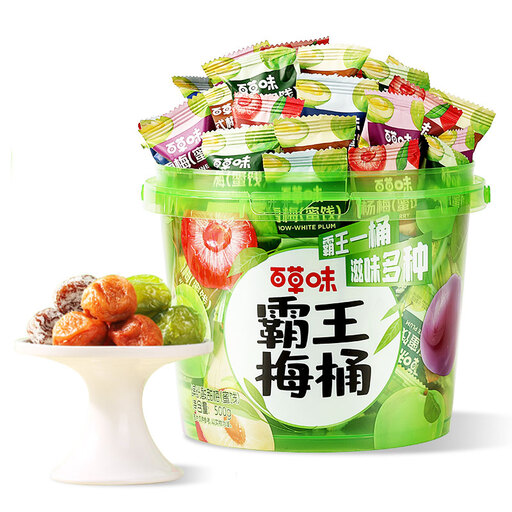 Image unavailable
The individual sachets are a good choice if you want to take a portion with you without preparing one before each journey. These are prepared plums, not simply a bag of dried fruit: the product description lists sugar, salt, sweeteners, sulphites and the colour E124, among other ingredients. Check the ingredients before choosing this product.
 Image unavailable
This bag is suitable for preparing several portions of red dates before your journeys. The product is described as pitted, but it isn’t divided into individual sachets, so you’ll need a container for each snack. If sugar content matters to you, check the nutritional information before choosing.
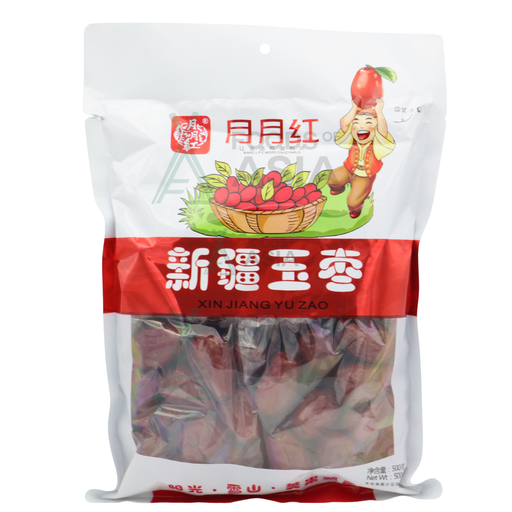 Image unavailable
This 500 g pack is a good choice if you want to divide dried jujubes between several outings. You’ll need a container for the portions you take with you. If you need them to be pitted, check this before buying. You can also compare the ingredients by checking the nutritional information.
Choose one if you’re planning several snacks using the same product and can prepare them in advance. Check the net weight, how to store the product after opening and how much of it you’ll actually use; the pack size alone isn’t enough to decide.
Start with the ingredients list, net weight, highlighted allergens and the date shown on the product. The DGCCRF states that the nutrition declaration, which is mandatory for most pre-packed foods, is given per 100 g or 100 ml. This makes it easier to compare sugar, fat and salt on the same basis.
No. A mix is a good way to enjoy variety, while a bag containing one type of fruit may be easier to divide if you want several similar portions. Check all the ingredients in the mix, its allergens and its weight before choosing.