Households that prepare snacks regularly
A 500 g pack may suit regular consumption, provided you can finish it in line with the storage instructions. The size of the pack doesn’t remove the need to prepare each portion for your child.


For a toddler’s snack, first choose dried fruit that can be prepared in a way that suits their chewing ability. According to Manger Bouger, whole nuts should not be given to children under 6. A large pack is most suitable if your household can use it all while following the storage instructions after opening. Also check the ingredients and allergen information for the specific product you choose.
A 500 g pack may suit regular consumption, provided you can finish it in line with the storage instructions. The size of the pack doesn’t remove the need to prepare each portion for your child.
Ingredients and precautionary allergen information vary between the raisin products listed by Auchan and Carrefour. These parents should read the label on the specific pack they are considering serving.
The snack’s shape and preparation matter more than the size of the pack. Manger Bouger advises against giving small, hard, round foods to children under 5 and specifies that whole nuts should not be given to children under 6.
When choosing a snack for a toddler, look at how the food is presented before deciding on the pack size. Then check the label and the instructions you’ll need to follow once the pack is open.
| What to consider | What to check | Who this matters to |
|---|---|---|
| Texture and presentation | Distinguish dried fruit from nuts; adapt how you serve it to your child and, according to Manger Bouger, don’t give whole nuts to children under 6. | If my child is still learning to chew different textures, I want to prepare their snack without leaving the pack within reach. Around 46% of consumers put how the food is presented at the heart of their choice. |
| How much you’ll use | Compare the net weight with your household’s usual consumption and read the instructions for after opening. | When snacks are a regular part of our routine, I look for an amount my household can realistically finish. Around 27% of consumers prioritise choosing a pack size that suits this purpose. |
| Ingredients and storage | Read the ingredients and allergen information for the exact product; check how it should be stored after opening. | If I need to avoid an ingredient or take precautionary allergen information into account, the label on the product I choose is essential. Around 27% of consumers prioritise ingredients, allergens or storage. |
Dried fruit, such as raisins, and nuts call for different precautions. Manger Bouger advises against giving whole nuts to children under 6 because of the risk of choking.
Check what’s in the pack before preparing a snack. If it contains nuts, don’t serve them whole to a toddler; Manger Bouger suggests grinding them into a powder and adding them to a dish.
Two raisin products can have different ingredient lists and precautionary allergen information. The Profruit product listings from Auchan and Carrefour, for example, mention sulphites and, depending on the product, possible traces of peanuts and nuts.
Read the label on the exact product every time you buy it, particularly if an allergen or ingredient needs to be avoided.
Instructions vary from one product to another. The Holyfruits listing from Auchan says to consume the product soon after opening, while Monoprix advises refrigerating Maître Prunille Raisin Golden and consuming it within 10 days.
Choose an amount that suits the instructions on the pack you’re buying and how quickly your household will use it.
E.Leclerc lists Eco+ raisins in a 500 g pack, with raisins and cottonseed oil in the ingredients.
Auchan’s range includes several 500 g raisin products, including Holyfruits, Profruit and the retailer’s own-brand products.
Aldi lists Trader Joe’s raisins in a 250 g pack.
The Monoprix listing for Maître Prunille Raisin Golden gives specific instructions for after opening.
The Carrefour listing for Profruit raisins provides details about the ingredients and possible traces.
These two packs of dried jujubes come in different sizes. If you’re choosing a snack for a toddler, the product name and pack size alone don’t tell you whether the shape or texture is suitable. Check the fruit before preparing an appropriate portion.
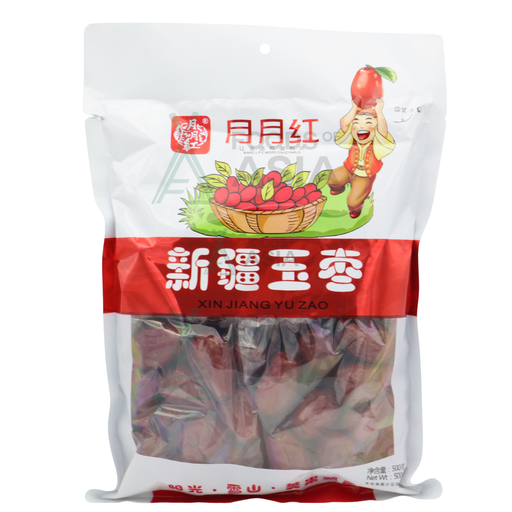 Image unavailable
The 500 g pack is suited to a household planning to use dried jujubes regularly. Before serving them to a toddler, check the shape and texture of the fruit, prepare the portion accordingly and supervise snack time. Reseal the pack after opening.
 Image unavailable
The 280 g pack offers a smaller quantity. The product name says the jujubes are pitted, but that doesn’t confirm whether their shape or texture is suitable for a toddler. Check them before preparing a portion and supervise snack time. After opening, the product listing recommends consuming them soon.
Not whole before the age of 6: Manger Bouger warns of the risk of choking and suggests grinding nuts into a powder and adding them to a dish. This precaution applies to nuts; it doesn’t, by itself, tell you whether all dried fruit is suitable in its current form.
No, this statement alone doesn’t tell you the total sugar content. Auchan lists the 500 g Holyfruits raisins with this claim; check the nutritional information per 100 g for the product you choose.
Check the ingredients, allergens and precautionary allergen information on the exact product every time you buy it. The Profruit listings from Auchan and Carrefour mention sulphites and, depending on the product, possible traces of peanuts and nuts.
Choose an amount your household can use while following the instructions for after opening. For example, the Monoprix listing for Maître Prunille Raisin Golden says to keep it in the fridge and consume it within 10 days. Check the instructions on the pack you buy.