Parents comparing fat content
They want to tell dried fruit apart from mixes containing nuts or oils. The ingredients and nutritional values per 100 g offer a clearer basis for choosing than the name of the aisle.


When choosing a back-to-school snack based primarily on fat content, compare dried fruit, nuts and mixes using their nutritional values per 100 g: the term ‘dried fruit and nuts’ alone isn’t enough to tell them apart. Check the ingredients, sugars, salt and allergens for the specific product you’re considering, too. Before the age of 6, whole nuts should be avoided because of the risk of choking, as ameli.fr points out.
They want to tell dried fruit apart from mixes containing nuts or oils. The ingredients and nutritional values per 100 g offer a clearer basis for choosing than the name of the aisle.
They’re looking for something easy to pack and want to check for sugars and added ingredients. Manger Bouger recommends limiting fatty and sugary foods in children’s snacks.
They check for nuts and other declared allergens. For children under 6, ameli.fr recommends offering nuts ground and mixed into a dish, rather than whole.
Worth considering: if fat content is guiding your choice and you want to compare fruit without a nut mix.
Check: the exact recipe, particularly for sugars and any added oils.
Worth considering: if you’re specifically looking for unsalted nuts, rather than a product chosen for its low fat content.
Bear in mind: whole nuts aren’t suitable for children under 6, according to ameli.fr.
Worth considering: if you want to combine dried fruit and nuts and are happy to compare each recipe.
Bear in mind: ‘unsalted’ doesn’t tell you how much fat a product contains. An Auchan product listing gives 34 g per 100 g for an unsalted raisin and nut mix.
| Criterion | What to check | Who is it for? |
|---|---|---|
| Fat | Compare the ‘fat’ line per 100 g and the ingredients list, particularly for nuts or oils. | If you’re preparing a snack with the aim of limiting fat first and foremost, you’ll need to compare recipes sold under similar names. Around 40% of consumers are said to put this criterion first. |
| What’s in the snack? | Read the added ingredients, then check the ‘of which sugars’ and ‘salt’ lines in the nutritional information. | A product that’s easy to pop into a school bag may also contain added sugar or oil. Around 30% of consumers are said to prioritise a simple recipe. |
| Age and allergens | Check the declared allergens and choose a form that’s suitable for the child’s age; before the age of 6, avoid whole nuts, following the advice from ameli.fr. | When a snack is for a young child or an allergen needs to be avoided, the form and ingredients take priority over the variety in the mix. Around 30% of consumers are said to make this their main criterion. |
This term can refer to dried fruit, nuts or mixes of the two. The name alone doesn’t tell you that they have the same fat content.
Compare the fat content per 100 g and look for nuts and oils in the ingredients list.
A description such as ‘wellness’ doesn’t tell you what’s in the recipe. For example, an Auchan product listing mentions cranberries containing sugar and sunflower oil.
Read the ingredients and nutritional values for the specific product before choosing a snack.
Before the age of 6, whole nuts pose a choking risk. Ameli.fr recommends using them ground and mixed into a dish.
Choose a form that’s suitable for the child’s age rather than relying on the ingredients alone.
A product description is no substitute for a specific nutritional statement or reading the label. The DGCCRF points out that nutrition claims are governed by Regulation (EC) No 1924/2006.
If a claim matters to your choice, look for its exact wording on the product and compare it with the nutritional information and ingredients.
The range shown by Carrefour includes dried fruit, nuts and mixes.
Auchan’s product listings feature a variety of mixes, some combining dried fruit and nuts.
E.Leclerc DRIVE lists dried fruit among the products in its online fruit and vegetable range.
These dried fruit products give you the chance to compare red date and strawberry recipes for a snack on the go. Check their sugars and ingredients, too: fat content isn’t the only factor to consider.
 Image unavailable
Worth considering if you’re looking for pitted dates rather than a mix. The listing for this product gives 100% jujube, 0.0 g of fat and 66.5 g of sugars per 100 g. Check the sugar content and prepare a portion that’s suitable for a snack.
 Image unavailable
This other pitted date product is a useful option to compare with dried fruit sold without a mix. Its listing gives 100% dates, 0.5 g of fat and 60 g of sugars per 100 g. Check the pack size if you’re planning to prepare portions to take with you.
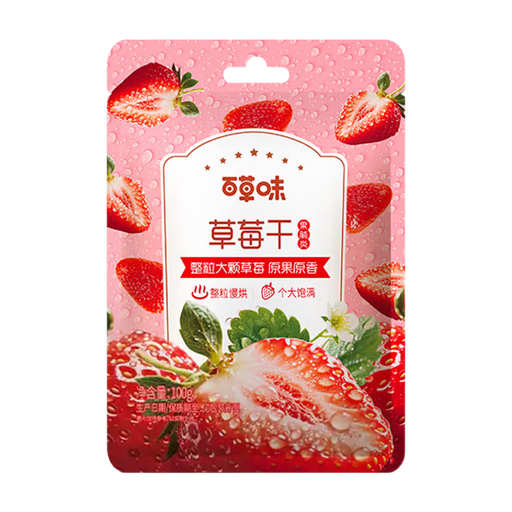 Image unavailable
Worth comparing if you’re considering dried strawberries for an on-the-go snack, but don’t assume they’re the same as plain dried fruit. The listing gives 1.0 g of fat and 59.4 g of sugars per 100 g; it also lists sugar, maltose syrup and sulphites, and includes a warning about the E120 colour. Check the label before choosing these for a child.
No. ‘Unsalted’ tells you about the salt, not the fat. An unsalted raisin and nut mix listed by Auchan contains 34 g of fat per 100 g. Compare this figure and the ingredients of the products you’re considering.
Compare the fat content per 100 g of the products you’re considering, then check the ingredients and sugars. The terms ‘dried fruit and nuts’ or ‘wellness’ don’t prove that a product carries a specific nutrition claim; the DGCCRF points out that such claims are governed by Regulation (EC) No 1924/2006.
No: before the age of 6, whole nuts pose a choking risk. If you use nuts, ameli.fr recommends offering them ground and mixed into a dish.
Check the proportion of dried fruit and nuts, the sugars and fat per 100 g, and the ingredients and declared allergens. Some recipes listed by Auchan contain sugar and sunflower oil; a mix described by Carrefour Traiteur declares nuts and sulphites.
They may be suitable if their ingredients and form are right for the child, but choosing them alone doesn’t mean you’ve picked a lower-fat product. Manger Bouger recommends unsalted, unsweetened nuts without chocolate; for children under 6, follow ameli.fr’s advice on the form they should take.