For people comparing fat content
For a snack while you revise, you may be weighing up dried fruit and nut mixes. Compare the nutrition information per 100 g rather than relying on the broad label ‘dried fruit and nuts’.


If fat content is your main priority, start by comparing dried fruit and mixes dominated by dried fruit with selections made mainly of nuts. Check the nutrition information per 100 g and the ingredients list: a recipe with less fat than another may also contain added sugar or oil, while a nut mix may contain salt and allergens you need to check.
For a snack while you revise, you may be weighing up dried fruit and nut mixes. Compare the nutrition information per 100 g rather than relying on the broad label ‘dried fruit and nuts’.
You may also be looking for a recipe that suits your preferences around sugars, added sugar, oil or sulphites. The ingredients list gives you more context alongside the nutrition table.
You may be considering a selection containing almonds, walnuts, hazelnuts or cashews. Check the ingredients and any ‘may contain’ warnings if you or someone you’re sharing your snack with has an allergy.
To compare these snacks, start with fat and sugar per 100 g, then check the ingredients, salt and allergens according to your needs.
| Criterion | What to check | Who is it for? |
|---|---|---|
| Fat | Compare the value per 100 g and look for nuts in the ingredients list. Auchan’s product pages for Profruit and Vico show 11 g and 62 g of fat per 100 g respectively, for two mixes with different ingredients. | If I’m mainly looking to limit fat in my revision snack, I want to distinguish dried fruit from nut selections. Around 42% of consumers are said to prioritise this criterion. |
| Sugars and ingredients | Compare sugars per 100 g, then look for sugar, oils and sulphites in the ingredients list. | I may choose a recipe for its fat content while also wanting to avoid certain added ingredients. Checking sugars and ingredients would be a priority for around 33% of consumers. |
| Texture, salt and allergens | For a crunchy mix, check the salt per 100 g, which nuts it contains and any ‘may contain’ warnings. | If I prefer a ready-to-eat selection, its saltiness and allergens will influence my choice. Convenience and crunch would come first for around 25% of consumers. |
This broad label can refer to dried fruit, nuts or a mix of both. The Profruit and Vico examples featured by Auchan show 11 g and 62 g of fat per 100 g respectively. These figures apply to these two products, not to their categories as a whole.
Compare the ‘fat’ value per 100 g and check which ingredients make up the mix.
The Profruit mix featured by Auchan also lists sugar, sunflower oil and sulphites among its ingredients. So a lower fat content than another mix doesn’t tell you everything about the recipe.
Also check the ‘sugars’ value and ingredients list, depending on what you want to avoid.
A nut mix may be salted. Pay particular attention to the nuts listed in the ingredients and any ‘may contain’ warnings if the snack is for someone with an allergy.
Before buying or sharing, check the salt per 100 g, the allergens listed on the packet and any ‘may contain’ warnings.
A mix of dried raisins and nuts to consider if you want both textures in one packet.
A mix featuring almonds, raisins, goji berries and cranberries.
Le Sélect is an example of a selection made mainly of nuts.
A mix sold as organic, which is also worth checking against its nutrition information.
Its raisin mix is an example to consider if you’re prioritising dried fruit.
These dried raisin and red date options are suitable as a dried fruit snack while you revise. If you’re comparing sugars too, check the values per 100 g on each packet before choosing.
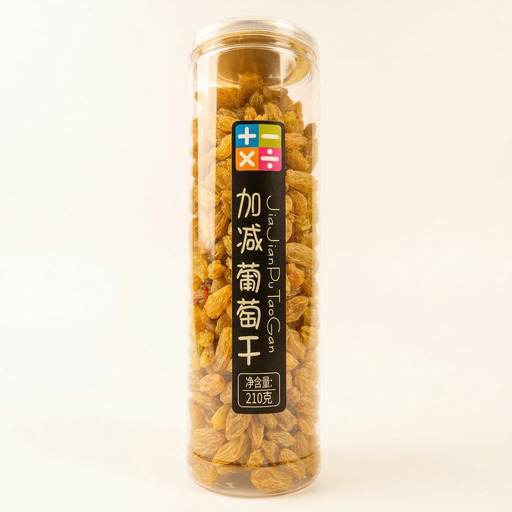 Image unavailable
Worth considering if you’re looking for raisins as a snack while revising. The packet contains 210 g. If sugars are also a factor in your choice, compare the value per 100 g on the packaging.
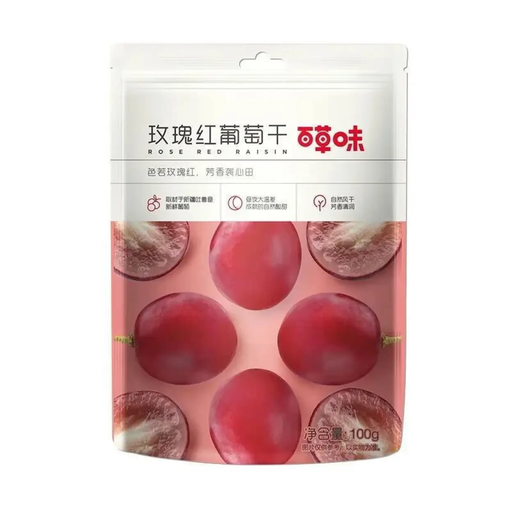 Image unavailable
Another option to compare for a revision snack, in a 100 g packet. Check sugars per 100 g and the ingredients list in particular if the recipe will help you decide between your options.
 Image unavailable
Worth considering if you’d prefer dried red dates to raisins for your snack. The packet contains 280 g. Pay particular attention to sugars per 100 g before choosing this option.
No. Comparing two products isn’t enough to establish that a ‘reduced fat’ claim applies. In the European Union, nutrition claims are regulated by Regulation (EC) No 1924/2006. When choosing, compare the values per 100 g and distinguish this comparison from any claim actually shown on the packaging.
Compare the nutrition information on the same per-100 g basis, particularly fat, sugars and salt, then read the ingredients list. The DGCCRF states that nutrition declarations for relevant food products are given per 100 g or 100 ml. This common basis makes it easier to compare packets of different sizes.
Read the allergens highlighted in the ingredients list, then check the packet you’re buying for any ‘may contain’ warnings. According to Anses, substances or products that cause allergies or intolerances must be identified on the label, so a mix containing several types of nuts needs careful checking.
Follow the storage and after-opening instructions printed on the packet you’ve chosen. This lets you store the product appropriately rather than applying the same rule to all dried fruit and mixes.