Customers comparing the energy content of their sandwich
You’d like a fruity touch while keeping an eye on the energy content of the filling and how much you add to your sandwich.


To add dried fruit to a sandwich without assuming it’s low in calories, compare the energy per 100 g of specific products, then consider how much you’ll actually use. Distinguish dried fruit from mixes containing nuts, and check the ingredients and allergen information too: energy values alone aren’t enough to compare two fillings.
You’d like a fruity touch while keeping an eye on the energy content of the filling and how much you add to your sandwich.
You need to be able to check the ingredients and allergen information for the product you choose, even if its name suggests a simple recipe.
You’re looking for fruit that’s easy to spread through the filling, with storage instructions that suit your preparation plans.
Whether you’re filling or serving a bakery sandwich, consider energy content, ingredients and ease of use separately. The amount you add matters just as much as comparing values per 100 g.
| Criteria | What to check | Who it’s for |
|---|---|---|
| Energy content of the filling | Compare the kcal per 100 g for each product, then consider how much you plan to add to the sandwich. | If I’m looking to limit the energy content of the filling, the term ‘dried fruit’ doesn’t tell me whether to choose raisins or a mix with nuts; around 50% of consumers make this their top priority. |
| Ingredients and allergens | Read the ingredients list and check the allergen and ‘may contain’ information on the packet you choose. | If I need to avoid certain ingredients or allergens, I have to be able to identify the exact contents; this check is a priority for around 30% of consumers. |
| Texture and storage | Check whether the fruit is pitted, the pack size and the instructions for storing it after opening. | When preparing sandwiches in advance, I look for fruit that’s easy to portion and store according to the instructions; around 20% of consumers prioritise this practical aspect. |
Auchan’s product listings show 305 kcal per 100 g for its raisins and 534 kcal per 100 g for the Bénénuts raisin and nut mix mentioned here. This difference applies to these two products, not to every recipe in their respective categories.
First identify the type of product, then compare the nutritional values of the packets you’re considering.
A product name or a short ingredients list doesn’t, on its own, tell you the energy content of the filling you’ll be serving.
Check the kcal per 100 g and relate this to the amount you plan to put in your sandwich.
Ingredients and ‘may contain’ information can vary from one product to another. For prepacked foods, the DGCCRF states that allergenic ingredients must be clearly highlighted.
If you have an allergy or follow an exclusion diet, read the label on the packet you buy rather than relying on the product name alone.
According to the DGCCRF, nutrition claims are regulated and their use is subject to conditions. An informal comparison between fillings isn’t enough to justify this claim.
Describe the information on the label without making a claim about the sandwich that its ingredients don’t support.
The Carrefour Original product reviewed is a 125 g packet of raisins.
The Auchan product listings mentioned make it easy to distinguish raisins from a mix of raisins and nuts.
The Monoprix range mentioned includes raisins, prunes and dried apricots.
These products, including prunes, red dates and dried apricots, are worth considering for a fruity filling. Compare their ingredients and nutritional values, then choose an amount that suits your sandwich.
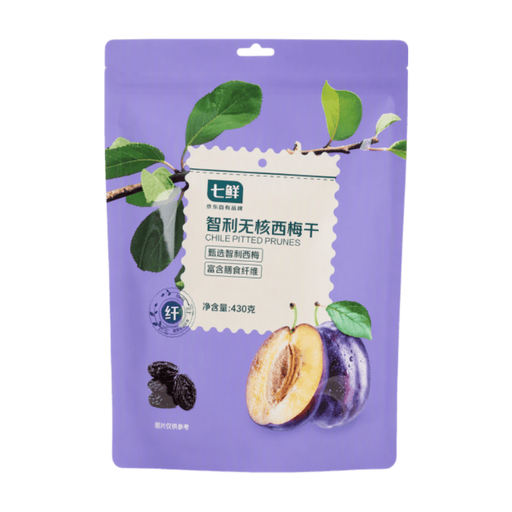 Image unavailable
Having the stones removed can make it easier to prepare a prune filling. To assess the energy content of your sandwich, check the value on the packaging and how much you actually use; also check the storage instructions after opening.
 Image unavailable
These pitted red dates are worth considering if you’d rather not remove the stones before filling your sandwich. Compare the sugars and energy per 100 g on the label, and check that the texture suits the preparation you have in mind.
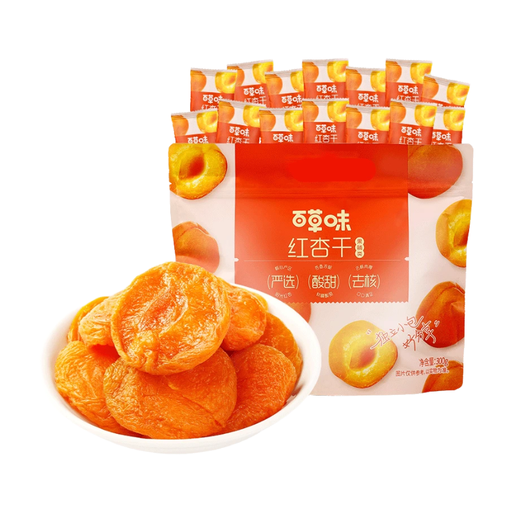 Image unavailable
This product lets you try an apricot-based filling instead of prunes or dates. Before adding it to your sandwich, check the packaging for allergens, any preparation needed and the nutritional values per 100 g.
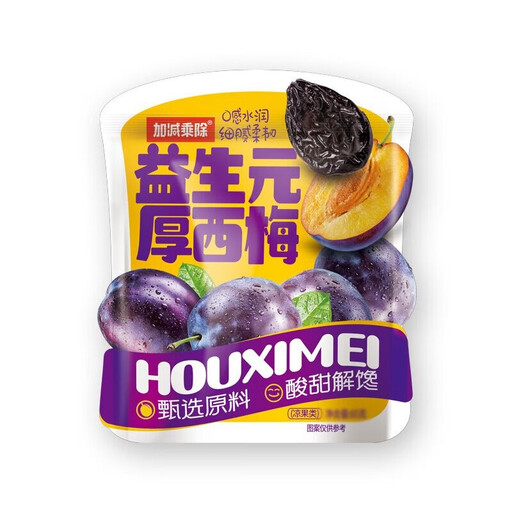 Image unavailable
The 65 g pack may help you plan your preparation, but it doesn’t determine how much to put in each sandwich. The product listing mentions fructose syrup and oligofructose. If ingredients matter to you, check these as well as the energy per 100 g.
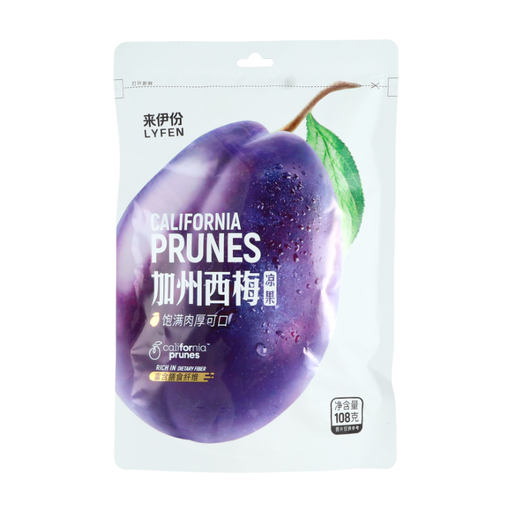 Image unavailable
If you’re considering these dried plums for a filling, check the ingredients list as well as the energy content. The product listing mentions the sweetener E951, a source of phenylalanine, and states that the product isn’t suitable for people with phenylketonuria; check the warning on the packaging.
No: the category alone doesn’t tell you the energy content of the amount you add to a sandwich. The Auchan product listings mentioned show 305 kcal per 100 g for raisins and 534 kcal per 100 g for a Bénénuts raisin and nut mix. Compare the specific products, then consider how much you’ll use.
Check the ingredients list, allergens, nutritional values and storage instructions for the product you buy. The DGCCRF states that nutritional information is given per 100 g or 100 ml to make it easier to compare products.
No: it’s no substitute for the nutrition table or ingredients list. The DGCCRF reminds shoppers that the use of nutrition claims is regulated. Compare the products in question without automatically applying this claim to the sandwich you make.
Follow the instructions for the product you bought, especially those for after opening. Instructions can vary from one product to another, so don’t assume that guidance for one packet applies to another.