Households preparing several lunches
If the same product is going into several lunch boxes, think about how much your household will actually use. A larger pack is no bargain if some of it goes unused after opening.


For several lunches during the school holidays, choose a large pack of plain dried fruit if your household will use it all and can store it after opening. If portions need to be packed separately, individual packs may be more convenient. In either case, check the ingredients and allergen information, especially if a child will be eating them.
If the same product is going into several lunch boxes, think about how much your household will actually use. A larger pack is no bargain if some of it goes unused after opening.
Plain nuts, dried fruit and prepared mixes may have different ingredients. The ingredients matter just as much as how easy it is to pop a portion into a lunch box.
Your choice also depends on declared allergens, possible traces and the product’s form. Whole nuts can pose a choking risk for young children.
Start with how much you’ll use over the holidays, then check the ingredients and how each portion will be served.
| What matters | What to check | Who it matters to |
|---|---|---|
| Pack size and waste | Net weight, lunches planned and storage instructions after opening. | When several people are dipping into the same pack, I want to use it all before the fruit goes soft. Around 40% of consumers prioritise using up the pack they choose. |
| Ingredients | Ingredients list; for comparable mixes, nutritional information per 100 g. | For a snack that appears regularly in lunch boxes, I want to distinguish plain nuts from products with added sugar, oil or salt. Ingredients come first for around 30% of consumers. |
| Allergens and texture | Allergens and traces listed on the specific product; a form suited to the child’s age. | If a child is at risk of choking or someone in the household needs to avoid an allergen, these precautions determine my choice. They are the top priority for around 20% of consumers. |
| Easy-to-pack portions | Number of individual packs, total quantity and ingredients in each assortment. | When lunches need to be prepared quickly, I prefer portions that are easy to divide up and flavours the household enjoys. Convenience is the priority for around 10% of consumers. |
Plain nuts, dried fruit and prepared mixes can contain different ingredients. E.Leclerc and Auchan, for example, offer mixes that contain sugar or oil.
Read the product name and ingredients list on the pack you’re considering, then compare the nutritional information for similar products.
A family-size pack is a good choice if you’ll use it up in the portions you have planned and it can be stored after opening.
Work out how many lunches you need it for and check the storage instructions on the packaging before choosing a pack size.
A product that has been opened, gone soft or isn’t enjoyed could end up in the bin.
Ingredients and trace warnings vary from one product to another. The DGCCRF reminds consumers that allergenic ingredients must be clearly highlighted on the label.
Check the label on the specific pack every time you buy it, paying particular attention to nuts, peanuts and sulphites.
Whole nuts can pose a choking risk for young children, regardless of what else is in the pack.
Avoid serving them whole to a young child. Choose a suitable form, such as a product containing ground nuts, after checking for allergies.
Carrefour offers plain dried fruit in a range of pack sizes, including dates in 500 g and 1 kg packs.
E.Leclerc offers loose dried fruit as well as prepared mixes.
Auchan stocks mixes in small packs as well as 400–500 g sizes.
Lidl’s Alesto range includes plain nuts, dried fruit and products for snacking.
Monoprix offers dried fruit in 250 g and 500 g packs, as well as products from a range of brands.
These products include dried fruit in shareable packs, individual portions and salted peanuts. Choose according to how much you’ll use, the ingredients and any precautions your household needs to take.
 Image unavailable
This pack can be used to prepare portions for several lunches if your household will use it all. The listed ingredient is red dates. Reseal the pack and follow its storage instructions after opening.
 Image unavailable
The 280 g pack is a good choice if you’d prefer a smaller pack of dried fruit to divide between several lunches. The listed ingredient is jujube. The product instructions say to consume it soon after opening.
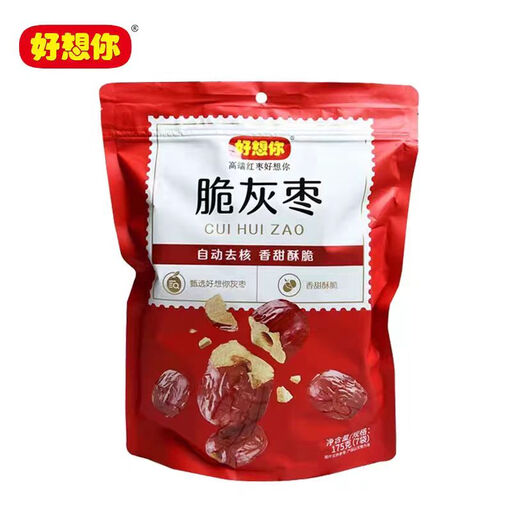 Image unavailable
The seven individual packs make it easy to prepare several lunches separately. These are crispy jujubes, so check that the texture is suitable for the people who’ll be eating them.
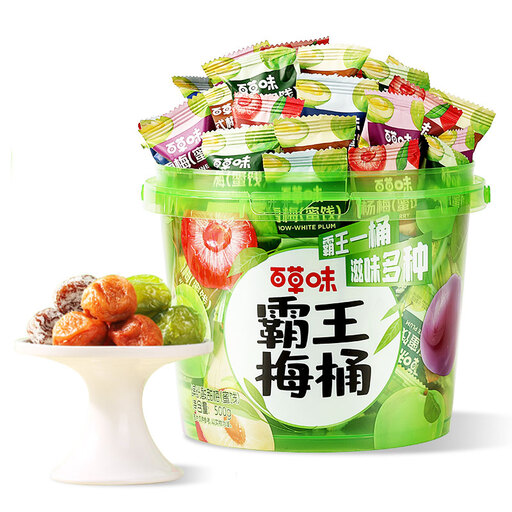 Image unavailable
The individual packs make it easy to divide portions between lots of lunches, as long as the recipe suits your household. It contains sugar, salt, sweeteners and sulphites. The product also lists the colour E124, which may have an adverse effect on children’s activity and attention. Check the label before planning to give it to them.
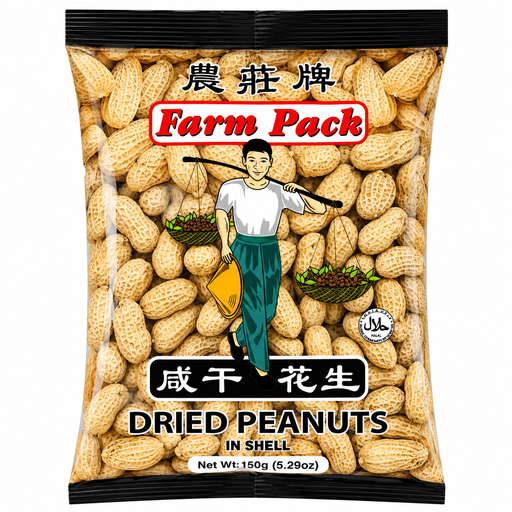 Image unavailable
This shareable pack may suit your household if you’re looking for in-shell peanuts rather than dried fruit. The product is salted and contains peanuts, so it’s not suitable if you’re looking for unsalted nuts. After opening, the instructions say to store it in an airtight container and consume within three days.
Choose a large pack if you’ll be able to use it up safely after opening, based on the lunches you have planned. Individual portions are easier to divide up, but check the total quantity, ingredients and whether they’re suitable for the people who’ll be eating them.
No. They’re different products with different ingredients. Manger Bouger’s recommendation is specifically for unsalted nuts. Some dried fruit mixes sold by E.Leclerc and Auchan contain added sugar or oil, for example. Check the ingredients list for the specific mix.
Avoid giving whole nuts to young children because of the risk of choking. A suitable product made with ground nuts could be an option after checking for allergies.
Check the product name, ingredients, allergens, net weight, the date on the packaging and the storage instructions. The DGCCRF states that allergenic ingredients must be clearly highlighted, so it’s particularly important to check the label on a mix.
Always follow the instructions on the packaging and reseal it as directed. Instructions vary between products, so don’t assume that a family-size pack and individual portions will keep in the same way once opened.