People preparing lunchboxes
Individual sachets make it easy to count portions and hand them out without decanting the contents. However, check the ingredients of the product you choose before serving it.


For lunchboxes or to give everyone an individual portion, choose a pack that clearly states the number of sachets and the weight of each one. For a shared buffet, a large bag or several standard-sized bags can work if you can organise how they’re served. In either case, check the ingredients and allergens of the product you choose.
Individual sachets make it easy to count portions and hand them out without decanting the contents. However, check the ingredients of the product you choose before serving it.
A large bag works well if you can serve the contents on the spot. Plan how you’ll portion it out, and keep the packaging handy so you can check the ingredients.
It’s important to distinguish between dried fruit, nuts and mixes when deciding what to serve. For pre-packed foods sold in France, the DGCCRF states that allergenic ingredients must be highlighted in the ingredients list.
For your fête, first decide whether you want pre-portioned packs or something to share, then check the ingredients of the specific product.
| What to consider | What to check | Who is it for? |
|---|---|---|
| Portions for lunchboxes | The number of sachets and the weight of each one, rather than just the total weight. | If I’m preparing lunchboxes, I want to be able to pop a pre-portioned pack into each one. Around 42% of consumers would prioritise this. |
| Quantity for the buffet | The net weight and the containers needed to serve the product. | For a table where everyone can help themselves, I’m mainly looking for an amount that’s easy to share. Around 33% of consumers would make this their priority. |
| Ingredients and allergens | The ingredients list, allergen information and nutritional values per 100 g. | Before serving a group, I need to know what’s in the mix. Around 25% of consumers would put this check first. |
This claim doesn’t tell you about sugars or allergens. E.Leclerc’s product listing for the 150 g Tokapi mix states that it contains 0.1 g of salt and 41 g of sugars per 100 g.
Read the ingredients and compare the nutritional values per 100 g before choosing the pack size separately.
Auchan’s product listing for the 350 g Daco Bello Mix 3 fruits mentions hazelnuts and almonds, as well as possible traces. The term “dried fruit” alone doesn’t tell you what’s in a mix.
Keep the packaging near the buffet and check the exact product before filling lunchboxes.
A large bag and a multipack of individual sachets may have a similar total weight, but they won’t take the same amount of preparation for your fête.
For lunchboxes, count the sachets and check their weight; for a buffet, decide how the contents will be served.
A large bag may mean you’ll need containers or have to portion the contents out in advance.
Carrefour’s range includes dried fruit and nut mixes for aperitifs, under its own brands and others.
E.Leclerc offers, among other products, a 150 g bag of Tokapi dried fruit and nuts with no added salt.
Auchan’s range includes mixes in 100 to 120 g bags, as well as 400 g and 500 g sizes.
Lidl’s Alesto range includes nuts, dried fruit and products for aperitifs.
Aldi has offered, among other products, a 200 g cashew and peanut mix, 200 g unsalted almonds and 500 g dates.
Monoprix’s range includes dried fruit, nuts and mixes with seeds, in bags ranging from 150 g to 500 g.
These dried fruit products illustrate two ways to cater for your fête: separate sachets for handing out, and larger packs for sharing. They are different fruits, not interchangeable mixes.
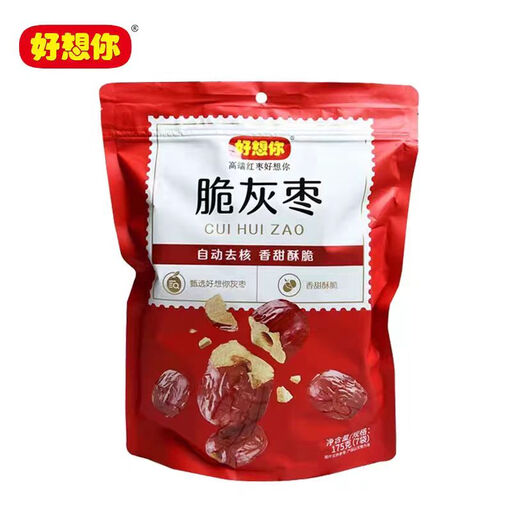 Image unavailable
The seven individual sachets are ideal for handing out without repacking. The stated total weight is 175 g; check the weight of each sachet if portion size matters. Joybuy’s product listing states that it contains 65 g of sugars per 100 g.
 Image unavailable
This bag of pitted red dates is suitable for sharing if you plan to portion them out on the spot. It weighs 500 g in total, so you’ll need to make up the portions yourself if you’re preparing lunchboxes in advance. Joybuy’s product listing states that it contains 60 g of sugars per 100 g.
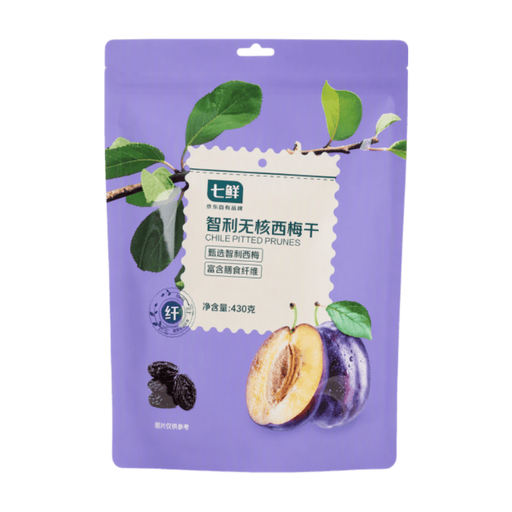 Image unavailable
This 430 g bag of pitted prunes is better suited to sharing than handing out in separate sachets. Set aside time to portion them out if you’re preparing lunchboxes; Joybuy’s product listing recommends consuming the product soon after opening.
Read the ingredients list and check for any ‘may contain’ warnings on the product you choose. For pre-packed foods sold in France, the DGCCRF states that allergenic ingredients must be highlighted; keep the packaging accessible while the food is being served.
No. This claim doesn’t tell you the number of portions, the sugar content or the allergens. E.Leclerc’s product listing for the Tokapi mix with no added salt states that it contains 0.1 g of salt and 41 g of sugars per 100 g. Check the nutritional information and ingredients of the product you plan to hand out.
For lunchboxes, compare the number of sachets and the weight of each one. For a buffet, look at the net weight and how you’ll serve the contents. You can then use the nutritional values per 100 g to compare the products on the same basis.
Not necessarily: the total weight shown on the packaging doesn’t mean the contents are split into individual portions. If each lunchbox needs a sealed sachet, look for a clearly stated number of sachets on the pack.