Parents of children under 6
When packing a lunchbox for a young child, the form of the product matters more than the packaging. Manger Bouger recommends not giving children whole nuts before the age of 6.


If you’re preparing several nursery lunchboxes, first choose a product that’s suitable for your child and accepted by the nursery, then compare the different formats. Manger Bouger recommends not giving whole nuts to children under 6 because of the risk of choking; this precaution does not apply to all dried fruit. A large bag can work if you’re able to divide its contents, while individual bags save you that preparation, provided you check what the multipack actually contains.
When packing a lunchbox for a young child, the form of the product matters more than the packaging. Manger Bouger recommends not giving children whole nuts before the age of 6.
If you’re shopping for several meals, compare a large bag, a multipack of identical bags and individually portioned packs, based on how much time you can spend preparing them. Check the ingredients for each product.
If the nursery has restrictions or your child has an individual care plan (PAI), check which foods are allowed before choosing a format. For prepacked foods, the DGCCRF reminds consumers that allergenic ingredients must be highlighted on the label.
First rule out products that aren’t suitable for your child’s age or don’t comply with the nursery’s guidance. Then compare the ingredients and consider how you’ll divide the contents between lunchboxes.
| Criteria | What to check | Who is this for? |
|---|---|---|
| Texture and nursery rules | Know the difference between dried fruit and whole nuts; check the nursery’s guidance and, where applicable, the PAI. | If the lunchbox is for a child under 6, I want to avoid whole nuts and stick to foods accepted by the nursery. Safety and suitability are the top priorities for around 42% of consumers. |
| Ingredients and allergens | Read the ingredients list and check which allergens are highlighted, especially in a mix. | When two recipes have similar names, I want to know exactly what each one contains before putting it in the lunchbox. Around 33% of consumers put ingredients and allergens at the heart of their choice. |
| Pack sizes and portions | Compare the net weight, the number of bags and the best-before date; check whether you’ll need to divide the contents at home. | When preparing several lunchboxes, I’m looking for packaging that’s easy to portion without making each preparation more complicated. Portion planning comes first for around 25% of consumers. |
The same aisle can contain raisins, dates, walnuts and almonds. Manger Bouger recommends not giving children whole nuts before the age of 6 because of the risk of choking.
Read the product’s full name and ingredients instead of relying on the broad ‘dried fruit’ category.
A mix marketed as containing dried fruit may also include nuts. The DGCCRF reminds consumers that allergenic ingredients must be highlighted on prepacked foods.
Check the ingredients list and allergens for the product you’re considering, particularly if the nursery or PAI has specific restrictions.
Several bags sold together aren’t necessarily portioned ready to pop into several lunchboxes. Their contents must also be suitable for your child and accepted by the nursery.
Check the number of bags, their net weight and their ingredients before choosing between a multipack and a large format.
A large bag takes time to portion; a product that the nursery won’t accept may not be suitable for its intended use.
These retailers offer useful points of comparison for dried fruit and different bag sizes. Just because a product is stocked in their range doesn’t mean it’s suitable for a nursery lunchbox.
Carrefour’s range includes dried fruit and nuts, including Carrefour Original raisins in a 125 g bag.
Auchan stocks dried fruit, mixes and nuts, including 125 g bags of sultanas.
Monoprix’s range includes 250 g bags of Monoprix Bio raisins, alongside other dried fruit.
Lidl describes Alesto as a range that includes dried fruit, nuts and savoury snacks.
ALDI stocks products including TRADER JOE'S® raisins.
These raisins, red dates and apricots are options to consider if you’re looking for dried fruit to portion out or take along in a nursery lunchbox. Before choosing, check the label, the product’s texture for your child and the nursery’s guidance; the stated weight doesn’t guarantee a multipack of separate portions.
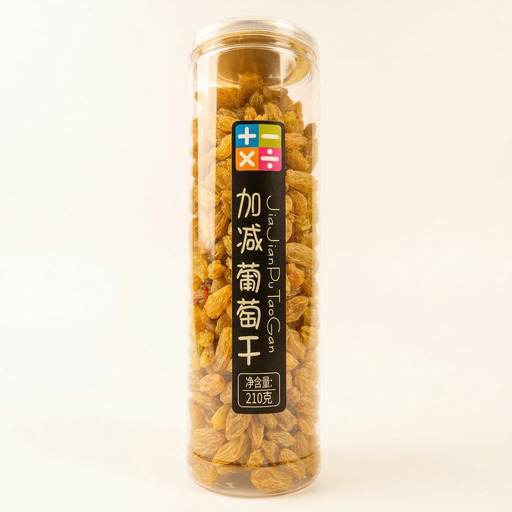 Image unavailable
A bag of raisins to consider if you’re planning to prepare several lunchboxes yourself. The stated weight is 210 g: check the exact packaging and the nursery’s guidance before portioning out the contents.
 Image unavailable
These pitted red dates are an option to consider when preparing several lunchboxes. The pack states 280 g; check the texture for your child, the information on the packaging and whether you can portion out the contents in line with the nursery’s guidance.
 Image unavailable
The 500 g pack is for anyone who wants to portion out pitted red dates between several lunchboxes. Check the allergens on the label, the texture for your child and the nursery’s rules; this format isn’t, by itself, a multipack of individual portions.
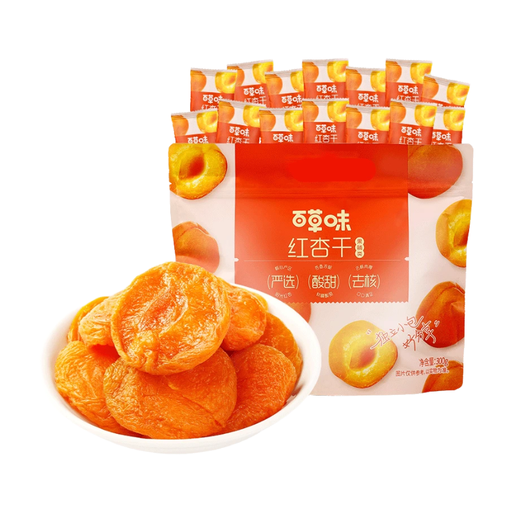 Image unavailable
These 300 g of dried apricots are worth considering if you’d like to prepare portions from a single pack. Check the allergens on the label, the texture for your child and the exact packaging before including them in a nursery lunchbox.
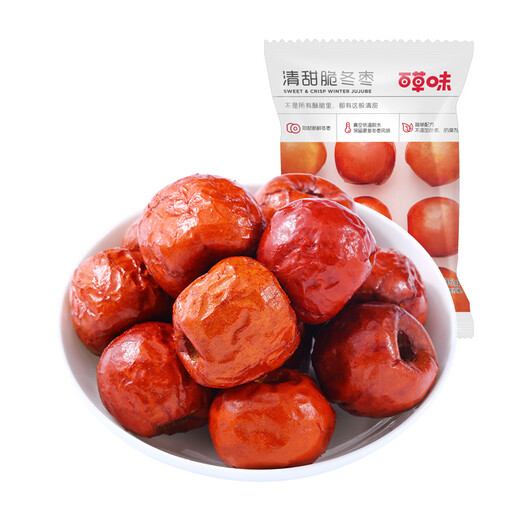 Image unavailable
The 35 g pouch could be a handy option to take along, rather than a large pack that needs portioning. As the name ‘Crispy’ suggests, it’s particularly important to check the texture for your child; also check the label and the nursery’s guidance. One pouch doesn’t mean a multipack of several pouches is included.
Not for a child under 6: Manger Bouger recommends not giving whole nuts to children before this age because of the risk of choking. This precaution doesn’t mean that all dried fruit is a type of nut; you should also check the nursery’s rules.
Read the product name, ingredients, net quantity and the date shown on the packaging. Pay particular attention to allergens: the DGCCRF reminds consumers that allergenic ingredients must be highlighted on prepacked foods. You can also compare the nutritional information, including sugars per 100 g, but this alone doesn’t establish whether a product is suitable for your child.
A large bag can work if you’re happy to prepare and portion out the contents yourself; separate bags save you that step. Either way, check the actual number of bags, the net weight, ingredients, allergens and the product’s best-before date, then confirm that the nursery will accept it.