Households that regularly use dried fruit and nuts
If you add them to breakfasts, recipes or snacks, a larger pack may suit how often you use them. Also think about how you’ll reseal and store it once opened.


If you need to avoid gluten strictly, first choose a product whose ‘gluten-free’ claim, ingredients and any ‘may contain’ information you can check on the exact pack. A larger pack makes most sense if you regularly eat the same dried fruit or nuts and can store it properly. With a ready-to-eat mix, you’ll also need to check each ingredient.
If you add them to breakfasts, recipes or snacks, a larger pack may suit how often you use them. Also think about how you’ll reseal and store it once opened.
You can’t tell whether a product is suitable just by looking at what it appears to contain. Check the label on the exact pack, and avoid contact with gluten-containing foods during storage and preparation, as recommended by AFDIAG.
A small pack of raisins, dried fruit or a mix may be better for occasional use. Depending on the product, check the ingredients, sugars and allergens rather than relying on the term ‘dried fruit’ alone.
For a strict gluten-free diet, start by checking the exact pack. Then decide how much you need based on how often you’ll use it, and choose the type of product you want: plain dried fruit, a mix or muesli.
| What matters | What to check | Who it matters to |
|---|---|---|
| Gluten-free labelling and ‘may contain’ information | Check the ‘gluten-free’ claim, ingredients, allergens and any ‘may contain’ information on the exact pack. | If I need to avoid gluten strictly, I want to check the product before choosing a pack size. Around 36% of consumers make this their priority. |
| A quantity that suits your shopping needs | Compare the net weight of products of the same type and consider how much you’ll actually use. | When I’m shopping for several occasions, I look for a quantity that suits my needs rather than choosing a pack based on size alone. This is a priority for around 29% of consumers. |
| Storing a larger pack | Check the storage instructions and make sure you can seal the pack properly after opening. | If my household regularly uses the same dried fruit or nuts, I can consider a larger pack, as long as we can finish it and store it properly. Around 21% of consumers prioritise this balance. |
| Ingredients and intended use | Read the ingredients and allergen information. To compare nutritional information, use the values per 100 g. | For a recipe or snack, I want to know whether I’m buying plain dried fruit, a mix or a product with other ingredients. Ingredients are the top priority for around 14% of consumers. |
A product made with just one type of fruit may still carry a warning that it may contain cereals containing gluten. Monoprix’s product page for almonds is one example.
If you need to avoid gluten strictly, check the ‘gluten-free’ claim, ingredients and ‘may contain’ information on the packaging of the product you choose.
A larger quantity makes more sense for a household that regularly eats a product than for someone who uses it occasionally.
Choose a pack size that suits your recipes and how often you eat the product, then check the best-before date and storage instructions.
Plain dried fruit, a mix and muesli are different products. For example, Joybuy’s product page for Bestore dried mango lists sugar and sodium metabisulphite among the ingredients.
Read the ingredients and allergen information for the exact product, especially if you’re choosing a mix or prepared dried fruit.
A poorly sealed pack may be exposed to moisture. In a kitchen where gluten-containing foods are also stored, you’ll need to take extra care with storage and utensils.
Follow the pack instructions, seal it properly and keep gluten-free products separate from foods containing gluten, in line with AFDIAG’s advice.
Its range includes dried fruit and mixes in a variety of pack sizes.
Its range includes a 375 g pack of crunchy oat and dried fruit muesli labelled gluten-free.
Its range includes different types of dried and candied fruit, while some muesli products are explicitly labelled gluten-free.
The Alesto range includes nuts, dried fruit and snacks.
Its range includes 250 g packs of raisins.
The product page for its 200 g blanched almonds provides information about allergens and ‘may contain’ warnings.
These two 500 g packs are for buying dried fruit for regular use, as a snack or in recipes. If you need to avoid gluten strictly, check the labelling on the exact pack before choosing.
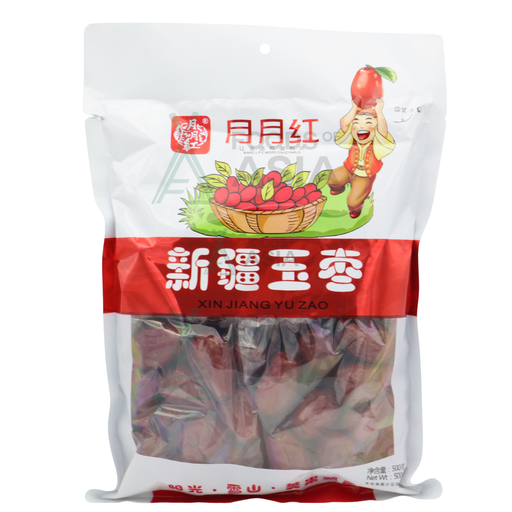 Image unavailable
A pack size to consider if you regularly use dried jujubes as a snack or in recipes. For a strict gluten-free diet, check for a gluten-free claim and any ‘may contain’ information on the exact pack. Once opened, store it as directed.
 Image unavailable
These pitted red dates may suit regular snacking or use in recipes. The product page recommends storing them below 15 °C and resealing the pack securely after opening. For a strict gluten-free diet, check for a gluten-free claim and any ‘may contain’ information on the exact packaging.
Under European Regulation 828/2014, a product labelled ‘gluten-free’ must contain no more than 20 mg/kg of gluten in the food as sold to the final consumer. This claim doesn’t replace checking the other ingredients and allergens that matter to you.
No. The type of fruit alone doesn’t tell you whether the pack you’ve chosen is suitable. For example, Monoprix’s product page for blanched almonds notes that they may contain traces of cereals containing gluten. Check the exact labelling before you buy.
Choose a quantity you can use and store as directed on the packaging. A larger pack is better suited to regularly using the same product, while a smaller one may be more convenient for occasional use or trying an ingredient for the first time.
Follow the pack instructions, reseal it after opening and protect it from moisture. To reduce contact with foods containing gluten, AFDIAG recommends keeping gluten-free products separate and taking care with surfaces, crumbs and utensils.