Students keeping an eye on fat content
You want to tell plain dried fruit apart from a pack that also contains nuts. Compare the ‘fat’ value per 100 g for the products you’re interested in.


When putting together your first food shop for student accommodation and looking for lower-fat options, start by comparing the labels on plain dried fruit. For example, Carrefour lists 0 g of fat per 100 g for its organic dried apricots, while a raisin and nut mix listed by Auchan contains 34 g per 100 g. These figures don’t apply to every pack, so if you prefer nuts or a mix, check the ingredients and nutritional information for the product you choose.
You want to tell plain dried fruit apart from a pack that also contains nuts. Compare the ‘fat’ value per 100 g for the products you’re interested in.
You want to spot added ingredients, such as oil or chocolate, as well as any potential allergens. The ingredients list matters just as much as the name on the pack.
You want a pack size that suits how much you eat and the space you have to store it. Storage instructions after opening can help you choose between two sizes.
For your first food shop, start by distinguishing dried fruit, nuts and mixes, then check the ingredients and pack size for each product.
| What matters | What to check | Who it matters to |
|---|---|---|
| Fat content | The value per 100 g and whether the mix contains nuts. | If I’m mainly looking for a low-fat pack, the name ‘dried fruit’ isn’t enough to help me decide. Around 37% of consumers put fat content at the top of their list of priorities. |
| Ingredients | The ingredients list and any allergens shown on the product. | If I want a snack where I can easily keep track of what’s been added, I check the ingredients before choosing. Simple ingredients are a priority for around 36% of consumers. |
| Pack size and storage | The net quantity and storage instructions after opening. | If I’m short on space or only eat these products occasionally, I prefer a pack that suits my routine. Pack size comes first for around 27% of consumers. |
This label can refer to dried fruit, nuts or mixes containing both. The Carrefour and Auchan product listings mentioned above show why you can’t compare two packs by looking at the name of the aisle alone.
Check the fat per 100 g for each specific product. If this is your main priority, start by comparing plain dried fruit.
These labels describe different things. The unsalted raisin and nut mix listed by Auchan contains 34 g of fat per 100 g.
Check the salt, fat, ingredients and serving size separately.
A photo won’t show every ingredient in a pack, including added ingredients or allergens that may affect your choice.
Read the product name and full ingredients list, especially if you need to avoid a particular ingredient.
These retailers offer different types of dried fruit and nuts. Then compare the details on the specific pack you’re interested in.
Its range includes dried fruit and mixes, so it’s worth distinguishing between them before comparing their labels.
The retailer includes dried fruit in its fruit and veg range, particularly for click-and-collect or drive-through shopping.
Its range includes dried fruit, nuts and mixes as separate categories.
Lidl’s Alesto range includes nuts, dried fruit and snacks.
Aldi lists a product of raisins, among other options.
Its range includes dried fruit and nuts, such as raisins, dates, apricots and figs.
These dried date and jujube options are handy to keep around for your first snacks after moving in. To choose based on fat or sugar content, compare the values shown on the packaging of each pack.
 Image unavailable
If you’re looking for pitted dates to keep on hand while you settle in, this product comes in a 500 g pack. Check the pack for its nutritional values per 100 g and storage instructions.
 Image unavailable
If you’re after a 280 g pack of pitted dates, this option could suit you if you’d rather start with a smaller pack. Compare its ingredients and values per 100 g with those of the other products you’re considering.
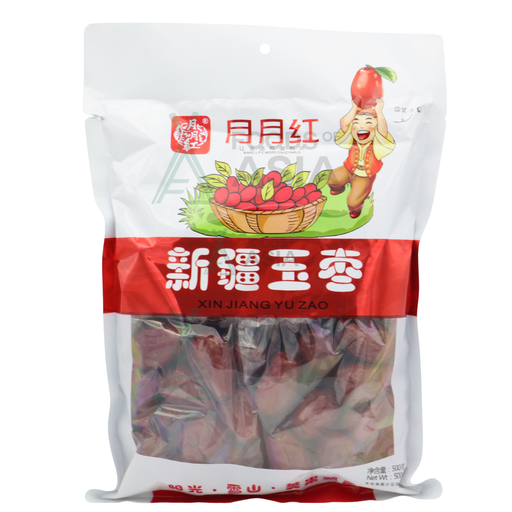 Image unavailable
If you’re looking for a 500 g pack of dried jujubes, check that the size suits how much you’ll eat. Also check the values per 100 g on the pack, and whether the jujubes contain stones if that matters for how you plan to use them.
No. ‘Unsalted’ tells you nothing about fat content. Manger Bouger recommends unsalted nuts as part of a small handful a day, but if you’re mainly looking for lower-fat options, compare the values per 100 g for the products you’re considering.
Read the ‘fat’ value per 100 g on each pack, then check the ingredients list. Carrefour’s listing for organic dried apricots gives 0 g per 100 g, but this figure shouldn’t be applied to other dried fruit or mixes.
Start with the product name, ingredients, listed allergens and nutritional information. This helps you tell dried fruit apart from nuts and spot any added ingredients that may affect your choice.
Choose one if the pack size suits how much you’ll eat and you can follow the storage instructions after opening. If you’re still deciding between different varieties, a smaller pack lets you try one without storing a large amount of a single product.