Anyone who wants to keep portions in check
If you snack while revising, compare the energy per 100 g, then set aside a specific amount before opening your books rather than eating straight from the packet.


For a light revision break, don’t choose dried fruit or nuts based on a “low calorie” promise alone: compare the energy per 100 g and set aside the amount you plan to eat. Simply prepared dried fruit is a good choice if you fancy something sweet; for nuts, opt for a small unsalted, unsweetened portion. Either way, check the ingredients in a mix before relying on claims on the front of the packet.
If you snack while revising, compare the energy per 100 g, then set aside a specific amount before opening your books rather than eating straight from the packet.
Apricots, raisins and dates taste sweet even with no added sugar. As Anses points out, “no added sugars” does not mean “sugar-free”, so check the nutrition information and ingredients too.
For plain almonds, walnuts or hazelnuts, look for an unsalted, unsweetened version with no chocolate. Manger Bouger recommends a small handful of this type of nut; that doesn’t make them low-calorie foods.
For dried fruit and nuts alike, start with the figures per 100 g, then work out what they mean for the portion you plan to have during your break.
| What to check | Look for | Who is this for? |
|---|---|---|
| Energy and portion size | Compare kcal per 100 g across similar products and set aside a portion. | When I revise with a packet within reach, I want to know how much I’ll actually eat. Around 45% of consumers prioritise keeping energy intake and portion size in check. |
| Sugars and ingredients | Check the sugars per 100 g and look for added sugar, syrup or coatings in the ingredients list. | If I choose dried fruit for its flavour, I prefer to distinguish the fruit’s natural sugars from those added to the recipe. Avoiding these additions is a priority for around 33% of consumers. |
| Salt and nuts | Look for an unsalted or no-added-salt option, then check the ingredients too. | If I want an alternative to a salty or very sweet snack, I look for plain nuts or almonds without assuming they’re low in calories. Keeping things simple comes before other criteria for around 22% of consumers. |
According to Anses, having no added sugars does not remove the sugars naturally present in fruit, nor does it tell you how much energy the product contains.
Use the claim as a first filter, then check the “of which sugars” line and the energy per 100 g.
Carrefour Bio’s organic almonds with no added salt contain 625 kcal per 100 g, according to Carrefour. “Plain” and “no added salt” describe the recipe, not its energy content.
Pour the portion you want into a bowl before getting back to your revision.
A TOKAPI mix sold by E.Leclerc with this claim also contains sweet ingredients; its product information lists 41 g of sugars per 100 g.
Check every ingredient in the mix, especially sweetened fruit and coatings.
Figures per packet or per portion aren’t enough on their own to compare two recipes. The DGCCRF points out that nutrition information is given per 100 g or 100 ml to make comparisons easier.
Compare the figures per 100 g first, then decide how much to take with you.
Two Carrefour Bio products show why it’s worth distinguishing between dried fruit and nuts.
A useful example of why you should check the ingredients in a mix rather than relying only on its “no added salt” claim.
The Auchan range includes dried fruit, raisins, nuts and mixes.
Lidl describes Alesto as a range that includes plain nuts, dried fruit and savoury snacks.
These three Joybuy products are chestnuts sold in packets. When deciding how much to take with you while revising, distinguish the packet weight from the portion you plan to eat and check the nutrition information for each product.
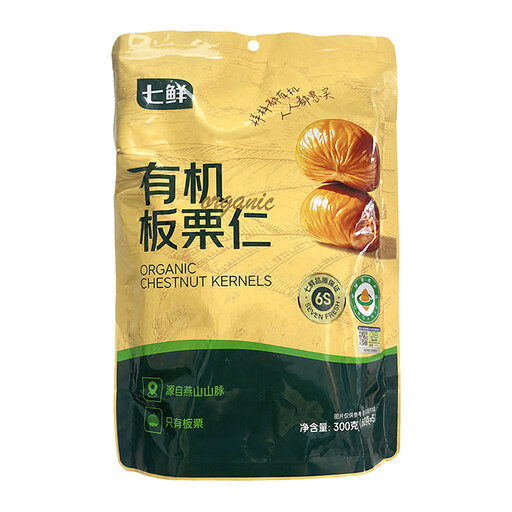 Image unavailable
A packet of chestnuts to consider if you prefer to portion out what you need before you start revising. At 300 g, the packet may contain more than you want for a single break.
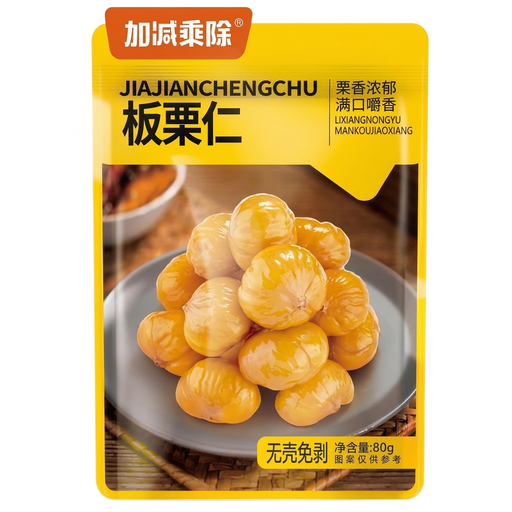 Image unavailable
The 80 g packet could suit you if you’re looking for a smaller size. If avoiding added sugars is a priority, check the ingredients for this product before choosing it.
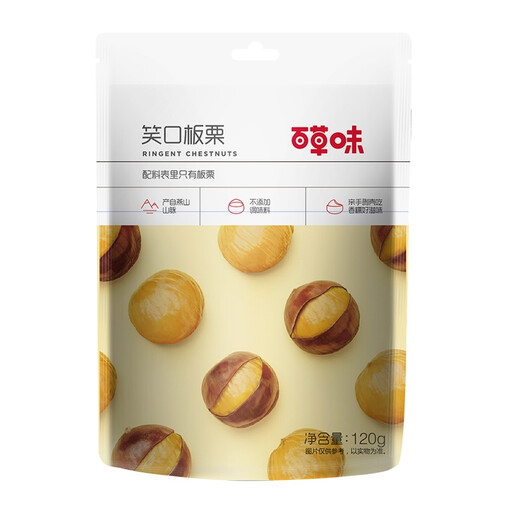 Image unavailable
This 120 g packet of chestnuts is another size to consider for a revision break. Set aside the amount you want to eat rather than assuming the whole packet is one portion.
No. Anses explains that ingredients can contain naturally occurring sugars even when no sugar has been added. For dried fruit, also check the “of which sugars” line and the ingredients list.
Not based on their category or simple ingredients alone. In the European Union, Regulation (EC) No 1924/2006 reserves the “low energy” claim for solid foods containing no more than 40 kcal per 100 g. Carrefour Bio’s dried apricots, for example, contain 232 kcal per 100 g, according to Carrefour. Check the figures for the specific product before describing it this way.
Start with the figures per 100 g, especially energy, sugars, fat and salt, then read the ingredients. The DGCCRF says that presenting information per 100 g or 100 ml makes it easier to compare prepacked foods; you can then use the packet weight to plan your portion.