
Livraison le jour même ou le lendemain

Qualité garantie

Débloquez vos offres de bienvenue: Livraison GRATUITE | Jusqu'à -80 % | 30 jours d'essai gratuits à JoyPlus
Téléchargez l'application
Between plain nuts, salted dried fruit and flavoured seeds, the online selection can quickly become difficult to compare. A tempting packet doesn't always clearly state the proportion of nuts, the amount of salt or the presence of added flavourings. Whether for home, the office, on the go or for aperitifs, the right choice really comes down to the ingredients, the format and the storage conditions.
A plain cashew nut can't be directly compared to a coated macadamia nut or strawberry-flavoured almonds. The latter may contain sugar, salt, flavourings, texturising agents or flavour enhancers. That's not necessarily a bad thing, but their use and nutritional profile are different.
For example, Be&Cheery butter-flavour macadamias contain at least 85% nuts, along with glucose-fructose syrup, sugar, salt and E621. Nutsholic strawberry almonds contain 70% roasted almonds, covered in a sweet, flavoured coating. This information matters if you're looking for ready-to-eat dried fruit with a strong, distinctive taste, or if you prefer a short ingredient list.
A large bag can be ideal for sharing, but less suitable for occasional snacking. To compare prices, it's better to look at the net weight and check whether the product contains shells. Peanuts in their shells and sunflower seeds also take longer to eat than nuts that are already shelled.
A 80 to 120 g format fits easily into a desk drawer or a bag. Pack sizes of 300 to 500 g are better suited to a family, an aperitif or for use in cooking.
Tree nuts and peanuts are among the allergens that must be clearly labelled on the packaging. Some products may also be made in a facility that handles gluten, soya, sesame, milk or other nuts. So any mention of traces should be read carefully, especially if you have an allergy.
After opening, heat, humidity and light can affect the crunchiness and flavour. A resealable bag or an airtight container, stored in a dry place, helps to keep the products fresher for longer.
For a simple snack or a recipe, a short ingredient list is often preferable. Golden Turtle cashew nuts, for example, are made from 100% cashew nuts. They can be eaten as they are and can also be used to enhance a salad, a dessert or a cooked dish.
For a more original aperitif, flavoured dried fruit lets you vary the flavours: spicy macadamia nuts, coconut cream peanuts or five-spice sunflower seeds. In that case, you'll need to check the amount of salt and sugar, as well as any added flavourings.
The nutrition table per 100 g makes it easy to compare almonds, walnuts, peanuts and seeds. Look in particular at:
This data isn't enough to define a diet, but it does make it easier to choose based on your habits and how often you snack.
Ready-to-eat products are particularly practical for the office or when you're on the move. Unroasted, skinless peanuts sold in large formats are more suited to people who want to roast them, boil them or make their own nut butter at home.
Pre-cooked chestnuts, individually wrapped, require less preparation. They can be eaten on their own, enjoyed with tea or used in both sweet and savoury recipes. Watermelon seeds and flavoured sunflower seeds, on the other hand, offer a longer-lasting snack, often associated with sharing.

Why this choice suits this profile: This large format contains plain cashew nuts, perfect for snacking or for using in cooking and baking, without having to buy lots of small packets.
The ingredient list is limited to 100% cashew nuts, making it easy to compare with salted or flavoured products.
500 g, 582 kcal and 0.01 g of salt per 100 g according to the product page. Store in a cool, dry place away from light.
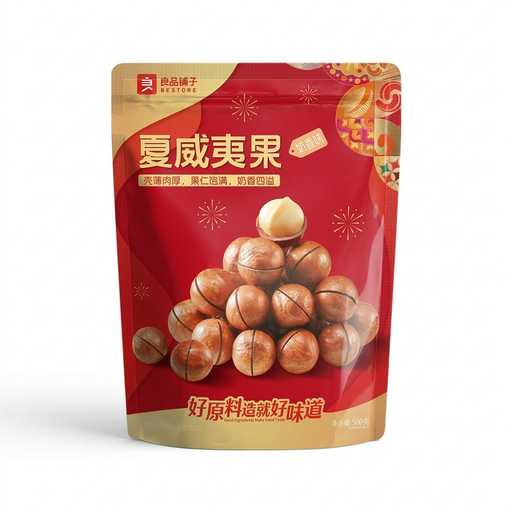
Why this choice suits this profile: Its family-sized format and creamy coating make it ideal for sharing or for a indulgent aperitif treat.
The product page states the presence of macadamia nuts, milk, sugar and salt: this is clearly a flavoured recipe, not plain nuts.
500 g, a ready-to-eat product, a crunchy texture and 75 g of fat per 100 g according to the stated labelling.
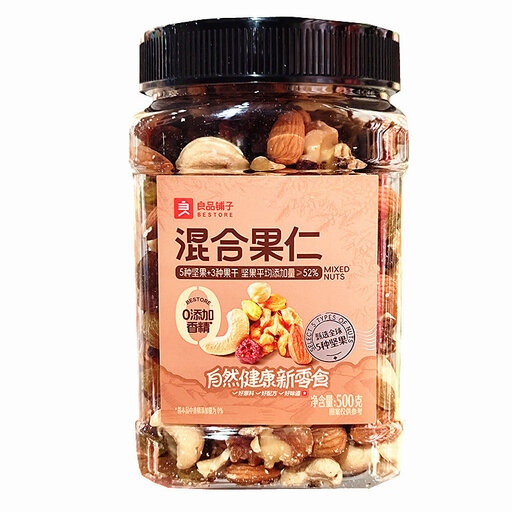
Why this choice suits this profile: This mix brings together cashew nuts, almonds, pistachios, macadamia nuts and pumpkin seeds for a variety of textures every day.
The ingredient list details the different nuts and specifies the addition of salt, without presenting the mix as a complex flavoured recipe.
500 g and 20 g of protein per 100 g according to the product page. This mix is suitable for snacking, salads, yoghurts and homemade preparations.
We've put together a comprehensive, real-time updated selection of products that meet these strict selection criteria and European safety requirements.
Go for a small, resealable format that's ready to eat and easy to store. Almonds, cashew nuts, chestnuts or unsalted nut mixes create fewer crumbs and leave less mess on your desk. For a stronger flavour, flavoured products can work, as long as you check their sugar and salt content, as well as the allergens.
Keep them in a cool, dry place away from light. Seal the bag carefully or transfer the contents to an airtight container. Products with a coating or flavourings can lose their crunch more quickly if exposed to moisture. Always check the instructions on the packaging.
Yes, they are generally designed to be eaten straight from the pack and shared. Five-spice sunflower seeds, roasted peanuts or spicy macadamia nuts offer a variety of textures. However, do compare the salt content per 100 g and adjust the serving sizes to your household's usual habits.