Households that often use the same product
If you regularly make recipes with dates, prunes or almonds, a larger bag could cover several planned uses.


For a jumble sale or a family stock-up, choose a large bag if you’ll use the same dried fruit or nuts regularly. For a one-off recipe or a range of different products, smaller packs help you avoid accumulating leftovers. Before choosing an assortment, check that its contents suit the planned uses and everyone who’ll be sharing it.
If you regularly make recipes with dates, prunes or almonds, a larger bag could cover several planned uses.
Whether you choose dried fruit, nuts or a mix depends on what you plan to cook or share. An assortment won’t necessarily replace the specific ingredients a recipe calls for.
When sharing products, it’s important to distinguish between plain, salted and other flavoured options, and to read the allergens listed on each pack. The DGCCRF advises that allergens must be highlighted in the ingredients list.
Start with how you plan to use the product and who it’s for, then choose the pack size and recipe.
| Criterion | What to check | Who is it for? |
|---|---|---|
| Regular use | Net weight and how many times you plan to use the same product. | If I often use the same dates or almonds in my cooking, I look for a bag that will cover several recipes. Around 36% of consumers prioritise this repeated use. |
| Avoiding leftovers | How much you need and the storage instructions on the pack. | For a single recipe or one-off jumble sale, I prefer a quantity I can finish afterwards. This is the main concern for around 29% of consumers. |
| Ingredients | Ingredients list and highlighted allergens. | Before sharing a mix, I need to know which fruits and other ingredients it contains. Ingredients and allergens come first for around 21% of consumers. |
| Product format | Whole or pitted fruit, powder or a mix, depending on what you’re making. | If my recipe calls for pitted prunes or ground almonds, the format matters more than the bag size. Around 14% of consumers prioritise how well a product suits its intended use. |
An 800 g or 1 kg pack may not be the best choice for a single recipe if you’re unlikely to use the rest.
Think about what else you’ll make after the jumble sale, then check the best-before date and the storage instructions on the pack.
This term can refer to dried fruit, nuts or mixes, all with different ingredients.
Read the product name, ingredients list and highlighted allergens, especially if you plan to share it.
Its range includes dried fruit, nuts and mixes in a variety of pack sizes.
Its range includes almonds, prunes and dates in several pack sizes.
An ALDI France product page lists 500 g of Trader Joe’s blanched almonds.
Its range includes dried fruit in pack sizes from 250 g to 500 g.
Lidl describes its Alesto range as including nuts, dried fruit and savoury snacks.
These products suit different needs: a 500 g bag of red dates for several recipes, a medium-sized pack and two smaller packs to consider for occasional use.
 Image unavailable
A bag to consider if you plan to make several recipes with pitted red dates. Check the best-before date and storage instructions on the pack before stocking up.
 Image unavailable
The 280 g pack is a good option if you need less than the 500 g bag. These red dates are pitted; check the best-before date on the pack if you don’t plan to use them soon.
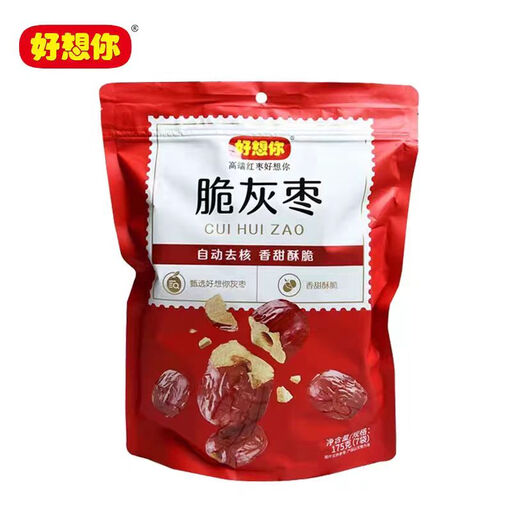 Image unavailable
The 7 individual packs could be handy for sharing in separate portions. The total weight is 175 g, so check that it’s enough for the number of people you have in mind.
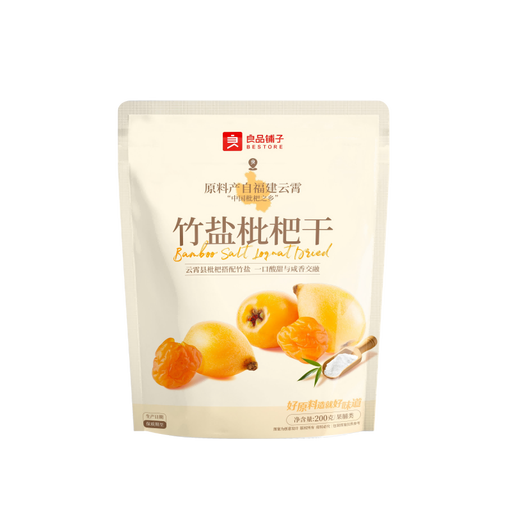 Image unavailable
This 200 g bag is better suited to a smaller serving than to sharing in large quantities. Its bamboo salt recipe is different from plain dried fruit, so read the ingredients list and allergens before offering it to others.
Check the net weight and exact ingredients, then compare the quantity with how often you plan to use it. Plain almonds, candied fruit and a mix won’t necessarily be interchangeable, even if the bags are a similar weight.
Read the ingredients list: the DGCCRF says that allergenic ingredients must be highlighted there. If you’re sharing a product, check the packaging of each item rather than relying on the assortment name alone.
No. Lidl describes one Alesto mango product as having no added sugar while also stating that it contains naturally occurring sugars. This claim applies to the product specified, so check the label on the pack you choose.
A mix can work if its ingredients suit the intended use and the people sharing it. Separate packs make it easier to distinguish nuts from dried fruit, or to set aside an ingredient for a particular recipe. Either way, check the ingredients and allergens.