Parents preparing several lunchboxes
A larger pack to portion out can be a good choice if you prepare containers for several days. Check its net weight, ingredients and storage instructions after opening.


To pack dried fruit or nuts for secondary school without any morning preparation, choose a pack with genuinely separate portions. A larger pack works if you’d rather fill several small containers yourself. In either case, distinguish between dried fruit, nuts and mixes, then check the ingredients and allergens for the specific product you choose.
A larger pack to portion out can be a good choice if you prepare containers for several days. Check its net weight, ingredients and storage instructions after opening.
To pop a snack into a bag, look for genuinely separate sachets or prepare a small container. A product sold as a single pack, even if it’s fairly small, isn’t necessarily an individual portion.
The term ‘dried fruit and nuts’ can refer to dried fruit, nuts or a mix. Read the ingredients list and, if an allergy is a concern, check the highlighted allergens as well as any ‘may contain’ warnings.
Start with the preparation method that best suits your routine, then check the ingredients of each product before adding it to the lunchbox.
| What to consider | What to check | Who is it for? |
|---|---|---|
| Easy-to-pack portions | The number of sachets and the weight of each one. For a larger pack, check how it can be resealed after opening. | When the lunchbox needs to be ready to go, transferring fruit each morning makes preparation more complicated. Around 36% of consumers put convenience of portion size at the heart of their choice. |
| Ingredients | The ingredients list and nutritional information for the specific product, particularly when comparing salt or sugar content. | If the shelf includes raisins, nuts and seasoned products, I want to know exactly what’s in the pack. Clear ingredient information is the main priority for around 36% of consumers. |
| Allergens | Allergens highlighted in the ingredients list and any ‘may contain’ warnings. | If an ingredient needs to be avoided, a picture of a mix isn’t enough to decide whether it’s suitable for a secondary school lunchbox. Identifying allergens is the top priority for around 28% of consumers; if you have a known allergy, check each product individually, regardless of this figure. |
The same shelf may include dried fruit, nuts, mixes and seasoned products. The umbrella term doesn’t tell you enough about what’s in each product.
Check the product name first, then read its ingredients list.
A 125 to 250 g pack may be suitable for preparing several lunchboxes without containing individually wrapped sachets.
Check the number of sachets and the weight per sachet. If the product comes in a single pack, have a small suitable container ready.
Seasonings vary from one product to another. Manger Bouger’s recommendation is for nuts that are unsalted, unsweetened and contain no chocolate.
Check the ingredients and nutritional information for the specific product rather than relying on how the mix looks.
A product containing cashews may also carry a warning that it could contain peanuts or other nuts, as stated on a Joybuy product page for BENENUTS cashews.
If you have an allergy, read the label of every product, including any ‘may contain’ warnings, and follow the relevant individual guidance.
Its online range lets you browse several dried fruit categories before choosing a format for the lunchbox.
Its Marque Repère products include examples of packs to divide between several containers.
Its dried fruit and seed range lets you compare nuts and mixed products.
The Alesto range brings together dried fruit, nuts and other snacks with different ingredients.
Its raisins are worth considering if you’d like to fill several small containers yourself.
Its online range lets you compare different types of dried fruit in packs.
This selection includes both individually packed foods and larger packs to portion out yourself for a secondary school lunchbox. Compare the actual pack format, ingredients and allergens of each product to find what suits your needs.
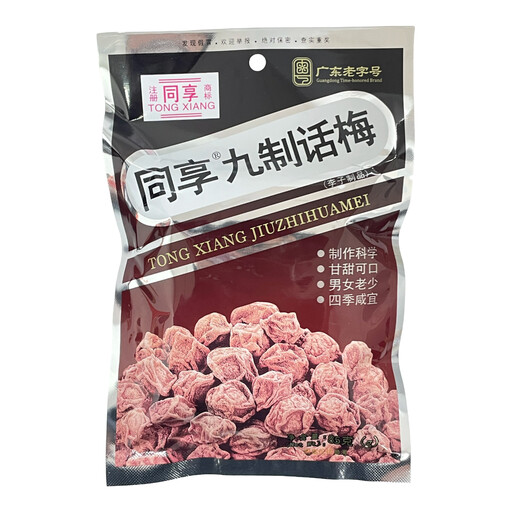 Image unavailable
The pieces are described as individually wrapped, so they can be added to a lunchbox without decanting. The pack weighs 85 g in total; check the number of pieces and the weight of each one before choosing this format.
This product contains sugar, salt and liquorice, among other ingredients, so it isn’t suitable if you’re looking for plain fruit. Pay particular attention to the salt content shown on the packaging.
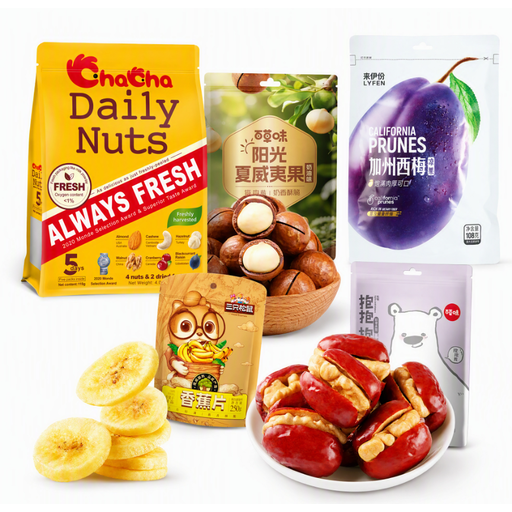 Image unavailable
The five items are described as individually packed, which may make it easier to prepare several lunchboxes. The 691 g weight is for the whole assortment, so check the weight of each pack before deciding what to take with you.
The assortment includes several types of nuts and carries warnings relating to sulphites and other possible allergens. If an allergy is a concern, read the label on each item.
 Image unavailable
This 500 g pack of pitted red dates is suitable if you’re preparing several containers yourself. It isn’t a pack of individual portions; reseal it after opening in line with the storage instructions.
If sugar content is a factor in your choice, check the nutritional information for this product rather than assuming it applies to other dates.
 Image unavailable
This pack of cashews with no added salt can be divided into small containers if you prepare the lunchboxes yourself. The 130 g pack isn’t described as containing individually wrapped portions.
The product contains cashews and carries warnings that it may contain peanuts and other nuts. If an allergy is a concern, check the label.
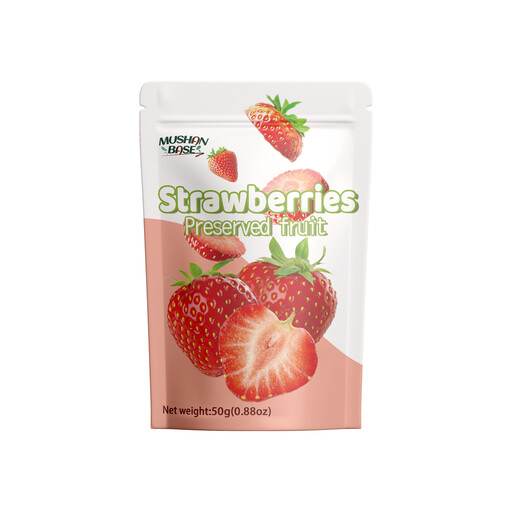 Image unavailable
This 50 g pack can be taken as it is or portioned into another container. It isn’t described as a multipack of separate portions.
The listed ingredients include dried strawberries and added sugar. Check the ingredients list and nutritional information if you’re comparing this product with other dried fruit.
For prepacked food, allergens must be emphasised in the ingredients list, as the DGCCRF points out. Also check any ‘may contain’ warnings on the specific product, especially for a mix of nuts.
Look for a product whose label confirms the ingredients you want, rather than relying on how it looks. Manger Bouger recommends nuts that are unsalted, unsweetened and contain no chocolate. If an allergy is a concern, check the allergen warnings too before making your choice.
No. Anses advises against routinely adding snacks outside structured meals. Prepare the lunchbox for the meal or journey that’s actually planned, rather than automatically adding an extra snack.
Follow the storage and resealing instructions on the product you’ve bought. Then portion the amount for each lunchbox into a suitable container, rather than assuming the larger pack already contains separate portions.